Adobe Population Health is a data-driven platform within the Adobe Experience Cloud that enables healthcare organizations to analyze patient data, track health outcomes across populations, and deliver personalized care experiences. It integrates clinical, behavioral, and operational data to support proactive interventions and improve long-term health results.
Health systems use Adobe Population Health to identify high-risk patients, monitor chronic disease progression, and measure the effectiveness of care programs. It's not a replacement for electronic health records (EHRs) but a layer on top that connects patient behavior, engagement, and outcomes across touchpoints.
For example, a hospital network might use Adobe Population Health to detect patients with uncontrolled diabetes who haven't attended follow-up visits. The system flags them based on lab results, appointment history, and messaging engagement, then triggers automated outreach via email or SMS through integrated marketing tools.
Adobe Population Health operates by ingesting structured and unstructured data from multiple sources-EHRs, wearables, patient portals, call center logs, and digital campaigns. It uses Adobe's data lake architecture to unify this information under a single patient identifier while maintaining HIPAA-compliant privacy controls.
The platform applies machine learning models to segment populations by risk level, treatment adherence, and likelihood of hospitalization. These segments power targeted communication workflows. For instance, a program for heart failure patients may send weekly symptom check-ins via app notifications, with alerts routed to care coordinators if responses indicate worsening conditions.
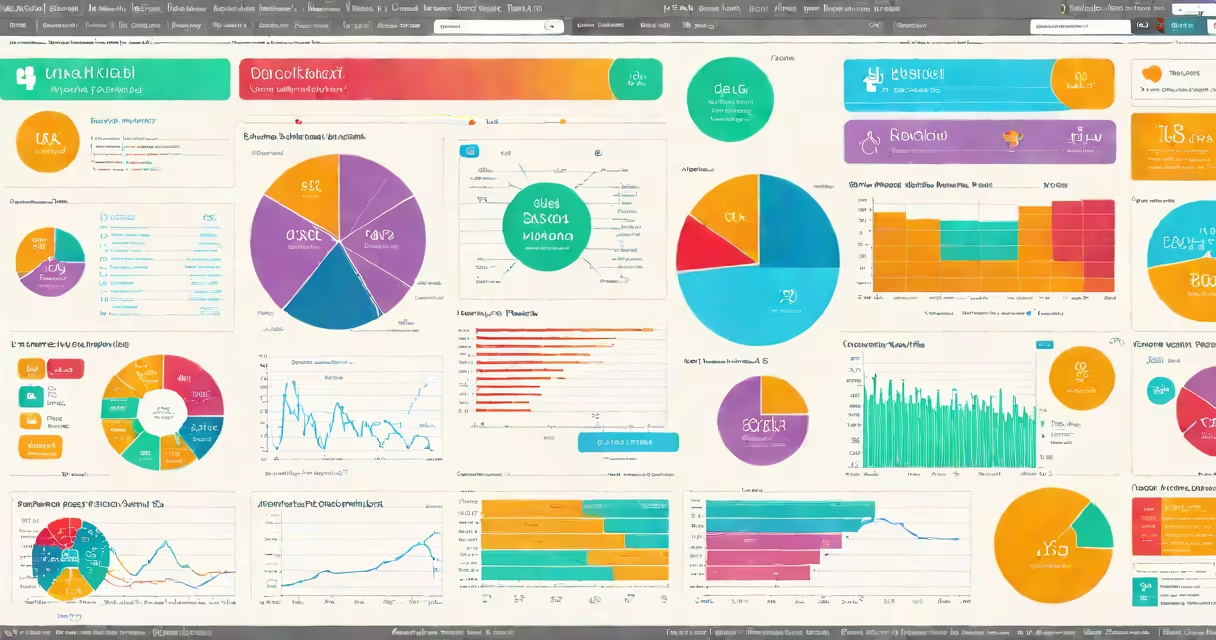
Data is visualized in real-time dashboards accessible to clinical teams and administrators. A regional health authority used these dashboards during a flu season to track vaccination rates across zip codes, adjusting mobile clinic schedules based on demographic gaps in coverage.
Adobe Population Health relies on four primary data streams:
These inputs feed into predictive models trained on historical outcome data. A study published by the American Medical Informatics Association (AMIA) found that combining EHR data with digital engagement patterns improved early detection of sepsis by 22% compared to EHR-only models.
Adobe Population Health does not store raw patient health information. Instead, it processes de-identified data and generates insights through aggregated analytics. This design reduces compliance burden and aligns with the Health Insurance Portability and Accountability Act (HIPAA) guidelines set by the U.S. Department of Health and Human Services (HHS).
Many assume Adobe Population Health is a standalone EHR or a direct patient monitoring device. It is neither. It cannot replace clinical decision support systems or record important signs from medical devices. Its role is strategic-not diagnostic.
Another misunderstanding is that it requires replacing existing IT infrastructure. In practice, it integrates with current systems via APIs. A pilot at a Midwest health system connected Adobe Population Health to their existing Cerner EHR and Salesforce CRM in under six weeks with minimal disruption to daily operations.
Some confuse it with consumer-facing apps like MyChart or Apple Health. While those collect individual data, Adobe Population Health aggregates data across thousands of patients to reveal trends and inform system-wide strategies. It's designed for population-level planning, not personal health tracking.
In 2023, a large urban health network serving 1.2 million patients implemented Adobe Population Health to reduce readmissions among congestive heart failure (CHF) patients. They had a 28% readmission rate within 30 days-above the national benchmark of 20%.
Using Adobe Population Health, they analyzed 18 months of data: medication refill patterns, telehealth visit attendance, and responses to weekly symptom surveys. The model identified a subgroup of patients who consistently skipped their diuretic doses but still reported stable weight and no swelling.
These patients were flagged as "high risk due to silent non-adherence." The team launched a tailored campaign: personalized video messages from their cardiologists, simplified pill cards sent by mail, and a dedicated nurse hotline. After 90 days, the readmission rate dropped to 16%-a 43% improvement.
This success was measured using Adobe's built-in evaluation structure, which tracks changes in outcome metrics before and after intervention deployment. The platform also logged engagement rates, showing that patients who watched the videos were 3.2 times more likely to refill prescriptions on time.
Adobe Population Health functions as a central hub for cross-channel care delivery. It connects with Adobe Process Optimizer to automate patient communications based on behavior, and Adobe Analytics to measure campaign performance across channels.
For example, a pediatric asthma program used Adobe Population Health to identify children whose inhaler usage declined over two months. The system triggered a series of messages through WhatsApp, email, and SMS. Each message included a link to a short animated video explaining proper technique, tracked via Adobe Analytics for view completion and click-through rates.
When a parent clicked the video link, the system updated the child's profile with engagement status. If the parent didn't engage after three attempts, a care coordinator was notified. This workflow reduced missed appointments by 37% in six months.
Teams can also export insights into Adobe Business Catalyst for budget forecasting or use Adobe Workfront to assign tasks to care managers. These integrations allow clinical and administrative staff to act on insights without switching between platforms.
Adobe Population Health is a strategic analytics platform that transforms fragmented health data into actionable insights for improving population outcomes. It supports coordinated care, identifies at-risk groups, and measures the impact of outreach efforts-all while respecting privacy standards and integrating with existing health IT ecosystems.