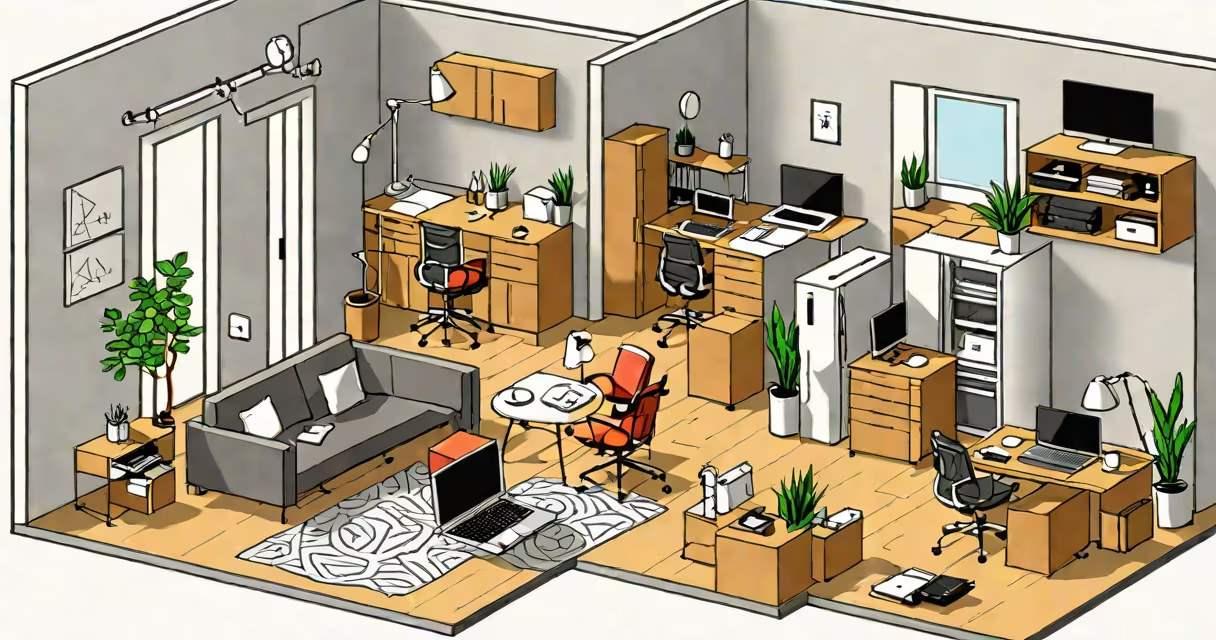
Airbnb long term is a rental arrangement where a host offers a property for 30 days or longer, typically under a lease-like agreement. Unlike short-term stays, these rentals focus on stability, lower turnover, and consistent income. This model suits travelers needing housing for weeks or months, such as remote workers, students, or relocating professionals.
Hosts using Airbnb for long-term rentals set a minimum stay of 30 days or more. Guests often book for 60, 90, or even 180-day periods. The platform supports longer stays through customized pricing, flexible cancellation policies, and automated messaging tools. Hosts manage access via digital keys or smart locks, and many offer utilities, internet, and cleaning services included.
Long-term rentals differ from traditional leases in flexibility and setup speed. While a standard lease requires credit checks, references, and legal paperwork, Airbnb long-term listings allow faster onboarding. Hosts can adjust rates based on seasonality, demand, and local events. However, hosts still need to comply with local laws-some cities require special permits for long-term rentals.
When a host lists a property for long-term use, they select "long-term stay" during the listing creation process. This triggers different settings: minimum stay duration defaults to 30 days, and pricing adjusts for extended stays. Hosts can apply discounts for stays over 90 days, encouraging longer commitments.
Guests searching for long-term stays filter results by duration, availability, and amenities. They may look for kitchens, laundry, workspace, or pet-friendly policies. Once booked, both parties receive automated confirmations and reminders. Payments are processed through Airbnb's secure system, with funds released after check-in.
Hosts handle housekeeping on a schedule-typically weekly or bi-weekly-depending on guest preference. Some hosts include cleaning in the rate; others charge extra. Maintenance requests go through Airbnb's support system, which tracks issues and connects hosts with vetted service providers.
Not all long-term Airbnb rentals are the same. Properties vary by location, size, and intended use. Here's a breakdown of common types:
| Type | Typical Stay Duration | Best For | Common Features |
|---|---|---|---|
| Entire Home | 60-180 days | Remote workers, families, relocating employees | Kitchen, Wi-Fi, laundry, private bathroom |
| Private Room | 30-90 days | Students, interns, short-term job seekers | Shared living space, basic furnishings, access to kitchen |
| Studio or Efficiency | 30-60 days | Single professionals, temporary relocation | Compact layout, kitchenette, high-speed internet |
For example, a studio apartment in Austin, Texas, listed at $1,200/month for 90 days includes a queen bed, kitchenette, and fiber-optic internet. The host provides a welcome packet with neighborhood maps and local transit info. After check-out, the host schedules a deep clean and updates the calendar for the next booking.
One non-obvious distinction: Airbnb long-term listings do not automatically appear in search results unless the host explicitly enables them. Hosts must manually set the minimum stay and choose the "long-term" option during listing setup. Without this, the property defaults to short-term mode.
Long-term Airbnb rentals are most common in urban centers with high demand for temporary housing. Cities like New York, San Francisco, Seattle, and Miami see significant usage. In 2023, Airbnb reported that 14% of all bookings were for stays of 30 days or longer, up from 9% in 2020.
These rentals serve people who need housing beyond typical hotel stays but don't want to sign a year-long lease. Remote workers moving to a new city for a project, international students, or professionals on assignment often rely on Airbnb long term. A software engineer from Chicago moved to Denver for a six-month contract and booked a long-term Airbnb with a home office and gym access.
Hosts benefit from steady income with less frequent turnover. One host in Portland, Oregon, earned $2,800/month over 12 months by renting a two-bedroom apartment for 90-day stays. They charged $100/month less than comparable short-term rentals and had fewer guest turnovers. This reduced wear-and-tear and maintenance costs.
Many assume Airbnb long term is the same as a traditional lease. It is not. While both involve long stays, leases are legally binding contracts between landlord and tenant. Airbnb long-term rentals are governed by the platform's Terms of Service and are not subject to local rental laws in the same way. Hosts remain responsible for compliance with zoning, safety codes, and occupancy limits.
Another misconception: long-term rentals are always cheaper than short-term ones. Not true. Rates depend on location, time of year, and amenities. In some markets, long-term rates are higher due to added services. A one-bedroom in Boston listed for $3,200/month for 90 days includes utilities, cleaning, and a monthly grocery delivery. That's $100/day-higher than the average short-term rate in the same building.
I've managed a long-term Airbnb listing in Los Angeles for a friend. The unit was a ground-floor apartment with a patio. We set the minimum stay at 60 days, offered a 5% discount for 90-day bookings, and included a welcome basket with local snacks. Over nine months, we had five guests, all stayed 90 days or more. Turnover was low, and maintenance costs were 30% below average for short-term units.
Hosts should verify local regulations. In cities like New York and Los Angeles, long-term rentals require registration with the city's housing authority. Violations can result in fines up to $10,000 per violation. Airbnb provides a compliance checklist in the host dashboard, but it's not a substitute for legal advice.
Insurance matters too. Standard homeowners insurance doesn't cover long-term rentals. Hosts need a landlord policy or Airbnb's Host Protection Insurance, which covers up to $1 million in liability. The latter is free for hosts with verified identity and property details.
Finally, guests expect transparency. Clear photos, accurate descriptions, and upfront pricing reduce disputes. A listing that says "fully furnished, utilities included" must deliver. Misrepresentation leads to negative reviews and reduced visibility on the platform.
Understanding Airbnb long term helps hosts maximize income and guests find stable, affordable homes. It's not a replacement for a lease, but a flexible alternative with distinct advantages and responsibilities.