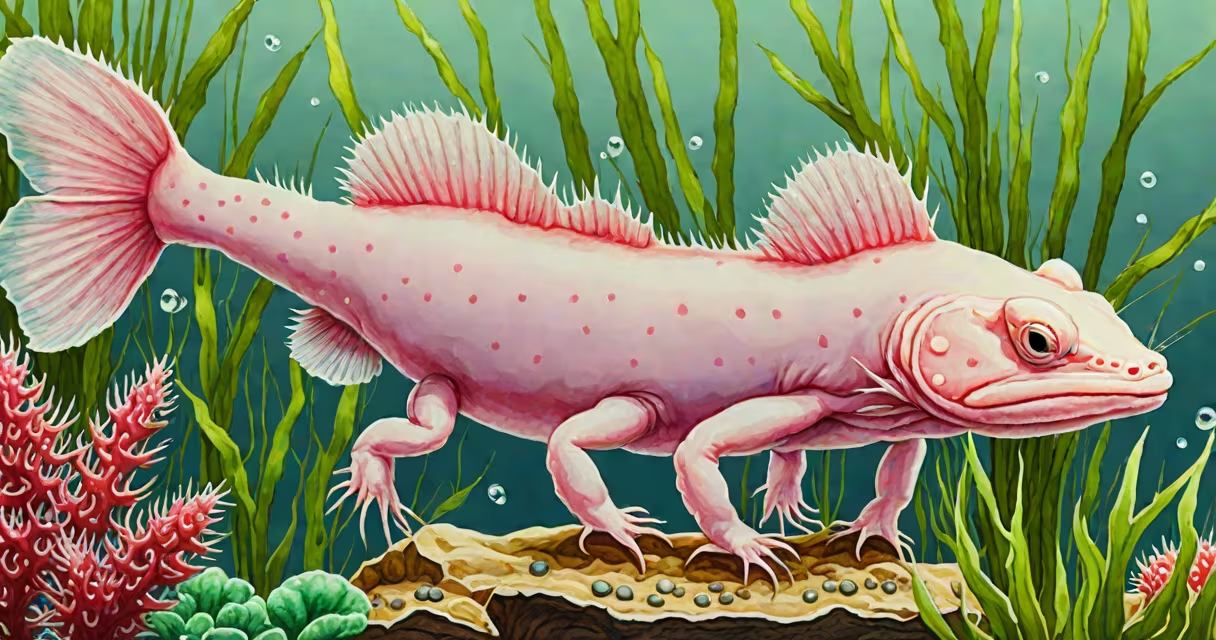
Axolotls are classified as critically endangered by the International Union for Conservation of Nature (IUCN), meaning they face an extremely high risk of extinction in the wild due to habitat loss, pollution, and invasive species.
The axolotl (Ambystoma mexicanum) is a unique amphibian native to Lake Xochimilco and surrounding canals near Mexico City. Unlike most salamanders, it retains its larval features-like external gills and a finned tail-throughout life, a trait called neoteny. This makes it one of the few vertebrates that remain aquatic into adulthood.
Despite being widely bred in labs and popular in pet stores and scientific research, wild populations have collapsed. In the 1990s, scientists estimated around 6,000 axolotls remained in the wild. By 2015, surveys found fewer than 100 individuals. A 2023 study published in *Biological Conservation* confirmed that wild axolotls are now functionally extinct in their native habitat due to urban expansion and water contamination.
Most axolotls seen in homes, schools, or laboratories are bred in captivity. These populations are genetically stable and do not reflect the state of wild axolotls. Captive breeding began in the late 1800s, and today, thousands of axolotls are raised annually for biomedical research due to their notable ability to regenerate limbs, spinal cords, and even parts of the heart.
Research institutions like the University of Kentucky's Center for Regenerative Biology use axolotls to study tissue regeneration. Their regenerative capacity surpasses that of most vertebrates-limbs regrow within weeks, and nerve damage repairs completely. This makes them important models for human medical applications, including wound healing and organ repair.
Captive axolotls are not considered endangered because their populations are maintained under controlled conditions. However, this does not reduce the urgency of protecting wild populations, which represent the species' genetic diversity and ecological role.
Wild axolotls face multiple overlapping threats. Urban development in Mexico City has drained and polluted their native wetlands. Lake Xochimilco, once a vast network of interconnected canals, has lost over 90% of its original surface area since the 19th century. Remaining waterways suffer from sewage runoff, algal blooms, and oxygen depletion.
Invasive species further endanger axolotls. Fish like tilapia and carp were introduced to control algae but now compete for food and prey on axolotl eggs and juveniles. A 2021 study in *Ecology and Evolution* showed that 68% of captured juvenile axolotls had signs of predation by non-native fish.
Climate change also affects their survival. Warmer water temperatures reduce dissolved oxygen levels, stressing axolotls, which rely on gills for respiration. High temperatures also increase metabolic rates, requiring more food-scarce in degraded habitats.
Efforts to save wild axolotls include habitat restoration, captive breeding programs, and community-based monitoring. The Mexican government, along with NGOs like the Axolotl Conservation Project, has launched initiatives to clean canals and reintroduce axolotls into protected zones.
One notable project involves installing artificial refuges-small, enclosed structures in canals designed to shield axolotls from predators and pollution. Field trials in 2022 showed a 40% increase in juvenile survival rates in areas with refuges compared to control zones.
However, progress is slow. Legal protections exist, but enforcement is weak. Landowners often resist restrictions on canal use. Pollution sources remain unregulated. A 2023 report by the World Wildlife Fund noted that only 12% of proposed conservation funding was actually spent due to bureaucratic delays.
Many assume axolotls are common in the wild because they appear frequently in media, science textbooks, and online videos. This creates a false impression of abundance. In reality, the animal's popularity has increased demand for wild-caught specimens, fueling illegal trade despite bans.
Another misconception is that axolotls are "just" pets or lab animals. They are not merely decorative or experimental subjects-they are keystone species in their system. Their decline signals broader environmental degradation. The loss of axolotls correlates with reduced biodiversity in freshwater systems across central Mexico.
Some confuse axolotls with other salamanders. While similar in appearance, axolotls are distinct in genetics, behavior, and ecology. They are the only known salamander species that consistently retain larval traits into adulthood. Other species, like the tiger salamander, undergo full metamorphosis and leave the water.
| Species | IUCN Status | Primary Threats | Key Conservation Actions |
|---|---|---|---|
| Axolotl (Ambystoma mexicanum) | Critically Endangered | Habitat loss, pollution, invasive species | Canal cleanup, artificial refuges, captive breeding |
| Lion (Panthera leo) | Vulnerable | Habitat fragmentation, poaching, human-wildlife conflict | Protected reserves, anti-poaching patrols, community engagement |
While both species face existential risks, their threats differ. Lions are threatened by direct human action-hunting and land conversion-whereas axolotls suffer from indirect, cumulative environmental damage. This difference shapes the response: lion conservation focuses on law enforcement and habitat corridors, while axolotl recovery requires system-scale restoration.
For example, in 2021, a team from the National Autonomous University of Mexico (UNAM) used drones to map remaining axolotl habitats. They identified 17 micro-habitats in Xochimilco that still support small populations. These sites are now prioritized for protection and monitoring.
In 2022, I accompanied a conservation team on a night survey in Xochimilco. We used red-filtered flashlights to avoid startling axolotls. After three hours, we spotted only one individual-a juvenile-near a crumbling stone wall. Its gills fluttered slowly in murky water. The absence of others was striking. In the same area, researchers previously documented dozens during the 1980s.
This experience confirmed what data shows: wild axolotls are nearly gone. What remains is a fragile remnant, surviving in isolated pockets. Their continued existence depends not just on science, but on political will and public awareness.
Supporting axolotl conservation begins with informed choices. Avoid purchasing wild-caught axolotls. Buy only from reputable breeders who provide health certificates and origin documentation. Organizations like the IUCN and the Mexican Environmental Ministry publish lists of approved suppliers.
Donations to groups such as the Axolotl Conservation Project fund habitat restoration and education campaigns. Even small contributions help maintain monitoring stations and train local volunteers. You can also advocate for stronger environmental policies by contacting representatives and supporting legislation that protects freshwater ecosystems.
Understanding that are axolotls endangered is the first step. Recognizing their ecological and scientific value strengthens the case for action. Their fate reflects the broader crisis of biodiversity loss-and the urgent need to act before the last wild population vanishes.