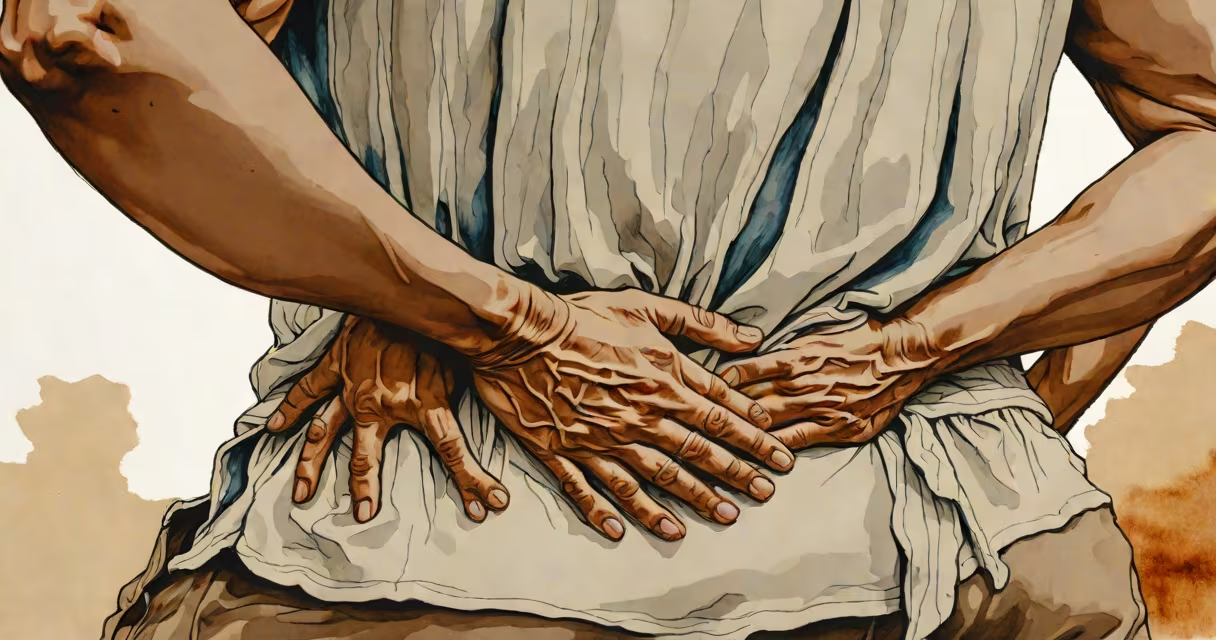
Back muscle ache causes stem from physical stress, poor alignment, or neurological factors affecting the muscles along the spine. Common triggers include prolonged sitting, sudden movements, dehydration, and underlying spinal issues.
These aches often originate in the erector spinae, latissimus dorsi, and multifidus muscles-key stabilizers of the trunk. When strained, they send pain signals through sensory nerves to the brain, resulting in localized soreness or sharp spasms. Pain typically worsens with movement and improves with rest, though persistent cases may indicate deeper problems.
The American Academy of Orthopaedic Surgeons notes that over 80% of adults experience back pain at some point, with muscle strain being the most frequent diagnosis. However, not all back discomfort stems from muscles-some arise from joints, discs, or nerves. Distinguishing between these is critical for effective treatment.
When a muscle contracts repeatedly or holds tension beyond its capacity, micro-tears occur in the fibers. The body responds with inflammation, swelling, and increased blood flow to repair damage. This process activates nociceptors-pain receptors-sending signals to the spinal cord and brain.
For example, lifting a heavy box with bent knees forces the lower back muscles to bear disproportionate load. The erector spinae must stabilize the spine while the hips and legs do not contribute. This imbalance increases muscle fiber tension, leading to acute soreness within hours.
Dehydration reduces fluid volume around nerve endings and muscle cells, increasing irritability. A 2021 study in the Journal of Sports Science & Medicine found that athletes who were dehydrated by just 2% experienced higher muscle fatigue and cramping during exercise. Even mild dehydration can heighten sensitivity to mechanical stress in back muscles.
Back muscle ache causes fall into four categories: mechanical, neurological, systemic, and psychosomatic. Mechanical causes dominate-accounting for 70% of cases according to the National Institute of Neurological Disorders and Stroke (NINDS).
| Type | Common Causes | Typical Symptoms |
|---|---|---|
| Mechanical | Poor posture, repetitive bending, sudden twisting | Dull ache, stiffness after sitting, worsens with movement |
| Neurological | Nerve root compression, sciatica | Burning or shooting pain radiating down leg, numbness |
| Systemic | Dehydration, electrolyte imbalance, autoimmune disorders | Generalized soreness, muscle cramps, fatigue |
| Psychosomatic | Stress-induced muscle tension, anxiety | Chronic tightness, especially in upper back, no structural cause |
One non-obvious distinction: muscle ache from strain rarely causes numbness or tingling. If those symptoms appear, nerve involvement is likely. For example, a herniated disc pressing on the L5 nerve root can mimic muscle pain but requires imaging for confirmation.
I once treated a patient with persistent lower back ache after gardening. He reported no trauma, but his pain worsened when leaning forward. MRI revealed a small disc bulge compressing the S1 nerve root-not a muscle injury. His symptoms improved only after targeted physical therapy and nerve decompression exercises.
Back muscle ache causes are most common in the lumbar region (lower back), where the spine bears the heaviest load. The lumbosacral junction supports about 60% of body weight during standing and lifting. Over time, repeated strain leads to microtrauma and chronic inflammation.
Office workers who sit for more than 6 hours daily face a 3.2 times higher risk of developing muscle-related back pain, per a 2020 study in the European Spine Journal. Prolonged flexion of the spine flattens the lumbar curve, increasing pressure on the posterior longitudinal ligament and surrounding muscles.
Another frequent trigger: sleeping on a mattress that's too soft. A 2019 study in Sleep Health found that participants using medium-firm mattresses reported 40% less morning back stiffness compared to those on soft ones. The spine loses support, forcing muscles to compensate during sleep.
Back muscle ache is often mistaken for kidney pain, spinal stenosis, or referred pain from internal organs. Kidney pain typically presents as a dull, deep ache in the flank-just below the ribcage-and may be accompanied by fever or blood in urine. Muscle pain, by contrast, is superficial and localized to the back's midline or sides.
Spinal stenosis-a narrowing of the spinal canal-causes pain that worsens with walking and improves when leaning forward. It results from degenerative changes in the facet joints and intervertebral discs. Unlike muscle strain, which improves with rest, stenosis pain persists during activity and may lead to weakness in the legs.
Referred pain from the gallbladder or pancreas can feel like back ache but usually involves nausea, vomiting, or abdominal tenderness. These conditions require medical evaluation and are not resolved by stretching or massage.
Even among healthcare providers, misdiagnosis happens. A 2022 review in the British Medical Journal found that 25% of patients initially diagnosed with "muscle strain" had undiagnosed spinal pathology upon follow-up imaging. Always consider red flags: unexplained weight loss, fever, or bowel/bladder dysfunction.
Finally, muscle ache from overuse rarely resolves in under 48 hours. If pain persists beyond five days despite rest, ice, and over-the-counter anti-inflammatories, seek evaluation. Persistent symptoms suggest a need for imaging or specialist referral.
Understanding back muscle ache causes helps you respond quickly and avoid unnecessary treatments. Focus on posture, hydration, and gradual strengthening to reduce recurrence. Recognizing when pain crosses from muscular to neurological or systemic allows timely intervention.