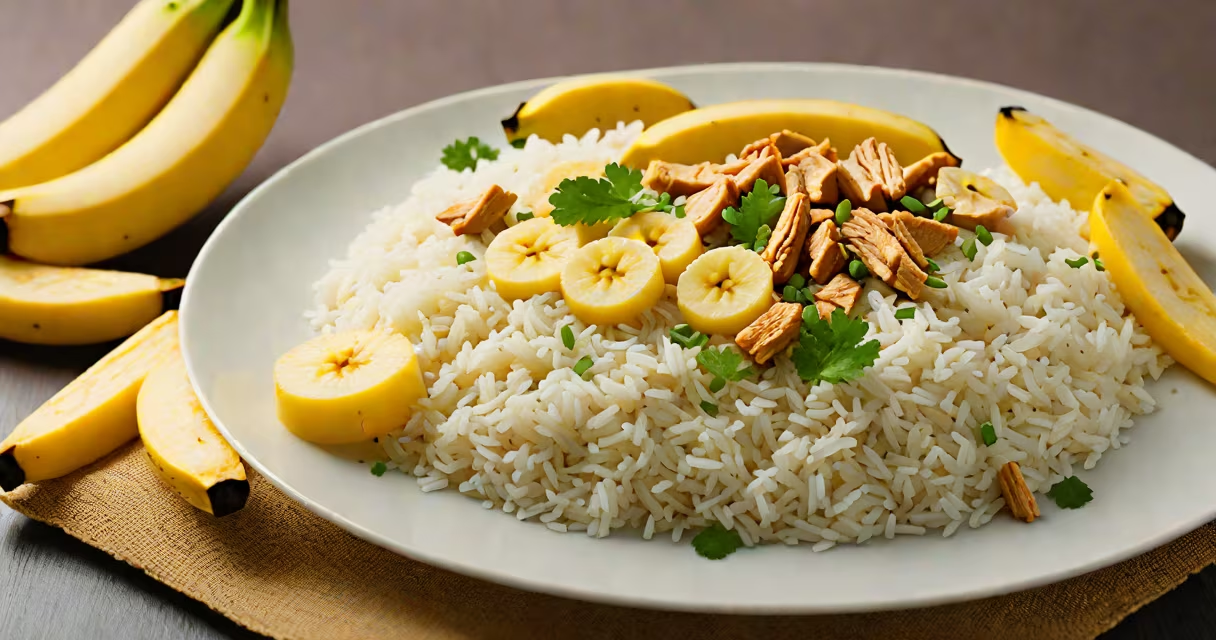
The bland diet for upset stomach and diarrhea consists of low-fiber, low-fat, and low-spice foods that reduce intestinal irritation and support digestion during recovery. It's not a long-term eating plan but a temporary strategy to ease symptoms like cramping, nausea, and loose stools.
This approach focuses on minimizing gut stimulation while providing essential nutrients. It's often recommended by gastroenterologists and nutritionists during acute gastrointestinal distress. The goal is to give the digestive system time to rest and heal.
Medical guidelines from the American Gastroenterological Association (AGA) emphasize that dietary modifications during GI flare-ups should prioritize tolerability over nutritional completeness. This means choosing foods that cause minimal discomfort, even if they're less nutrient-dense temporarily.
The diet reduces mechanical and chemical stress on the intestines. High-fiber, fatty, spicy, or sugary foods increase bowel activity and can worsen diarrhea. Bland foods avoid these triggers.
For example, raw vegetables and whole grains require more digestive effort and produce gas. The bland diet replaces them with cooked, soft, and easily broken-down options. This lowers stool frequency and eases abdominal pain.
A 2021 review in *Gut* journal noted that patients who followed a low-residue diet (similar to the bland diet) during acute episodes of infectious gastroenteritis experienced shorter symptom duration compared to those who ate unrestricted diets.
Classic bland diet staples include bananas, white rice, applesauce, and toast-commonly known as the BRAT diet. These foods are low in fiber and high in soluble fiber, which helps firm up stool.
Other safe choices include boiled potatoes, plain crackers, oatmeal (without added sugar), and lean boiled or baked chicken. These provide energy and protein without irritating the gut.
Protein sources must be prepared simply-grilled, steamed, or boiled. Frying adds fat, which slows digestion and increases diarrhea risk. A study in *Clinical Nutrition* found that high-fat meals increased stool frequency by 30% in individuals recovering from viral gastroenteritis.
| Foods to Include | Foods to Avoid |
|---|---|
| Bananas (ripe) | Dairy (unless tolerated) |
| White rice (boiled) | Raw vegetables |
| Applesauce (unsweetened) | Spicy foods |
| Plain toast (white bread) | High-fiber cereals |
| Boiled chicken (skinless) | Alcohol and caffeine |
Many people think "bland" means tasteless or nutritionally empty. That's incorrect. Bland refers to low irritancy, not flavorlessness. You can season food lightly with salt or herbs like basil or thyme-just avoid pepper, garlic, or onion.
Another error is skipping hydration. Diarrhea causes fluid loss. The diet must include clear liquids like water, diluted apple juice, or oral rehydration solutions. Dehydration can prolong recovery.
A common mistake is jumping back to regular food too soon. Reintroducing dairy, fried foods, or high-fiber items within 24 hours of symptom improvement can trigger relapse. The American College of Gastroenterology advises a gradual reintroduction over 2-3 days.
Consider a 34-year-old woman with acute diarrhea lasting 16 hours. She has no fever or blood in stool. Her doctor recommends starting the bland diet.
Breakfast: ½ cup boiled white rice, 1 small banana, and 1 cup of weak herbal tea (chamomile).
Lunch: 3 oz boiled skinless chicken breast, ½ cup mashed potatoes (no butter), and 1 plain cracker.
Dinner: ½ cup plain applesauce, 1 slice of toasted white bread, and 1 cup of water with a pinch of salt.
She drinks 8 oz of oral rehydration solution between meals. After 24 hours, her stool consistency improves. By day 2, she slowly adds cooked carrots and low-fat yogurt if tolerated.
This example follows clinical guidance from the Mayo Clinic and the National Institute of Diabetes and Digestive and Kidney Diseases (NIDDK).
If diarrhea persists beyond 48 hours despite the bland diet, or if symptoms include fever (>101°F), bloody stools, severe dehydration (dry mouth, dizziness), or vomiting, medical evaluation is needed.
These signs may indicate infection, inflammatory bowel disease, or food poisoning requiring antibiotics or IV fluids. The NIDDK states that prolonged diarrhea increases the risk of electrolyte imbalance, especially in children and older adults.
I once observed a patient who continued eating spicy ramen during a bout of traveler's diarrhea. Despite following the bland diet for 12 hours, symptoms returned after eating it. The food triggered gut motility and worsened inflammation. This reinforced the need to strictly avoid irritants.
The bland diet is not a weight-loss tool. It's not meant to be followed for weeks. It's a short-term intervention. Long-term use can lead to deficiencies in fiber, vitamin D, calcium, and B vitamins.
It's also not interchangeable with the low-FODMAP diet or gluten-free diet. These are for chronic conditions like IBS or celiac disease. Using the bland diet for those conditions may delay proper diagnosis.
Some confuse it with fasting. Fasting during illness can worsen recovery. The diet provides calories and nutrients to maintain energy levels during recovery.
After 2-3 days of stable symptoms, gradually reintroduce foods. Start with low-fiber vegetables, then add fruits, whole grains, and healthy fats. Monitor for recurrence.
If symptoms persist or return frequently, consult a gastroenterologist. Conditions like irritable bowel syndrome (IBS) or small intestinal bacterial overgrowth (SIBO) may underlie recurring issues.
The bland diet for upset stomach and diarrhea is a practical, evidence-based approach to calming the gut during acute episodes. It's not a cure but a bridge to normal function.