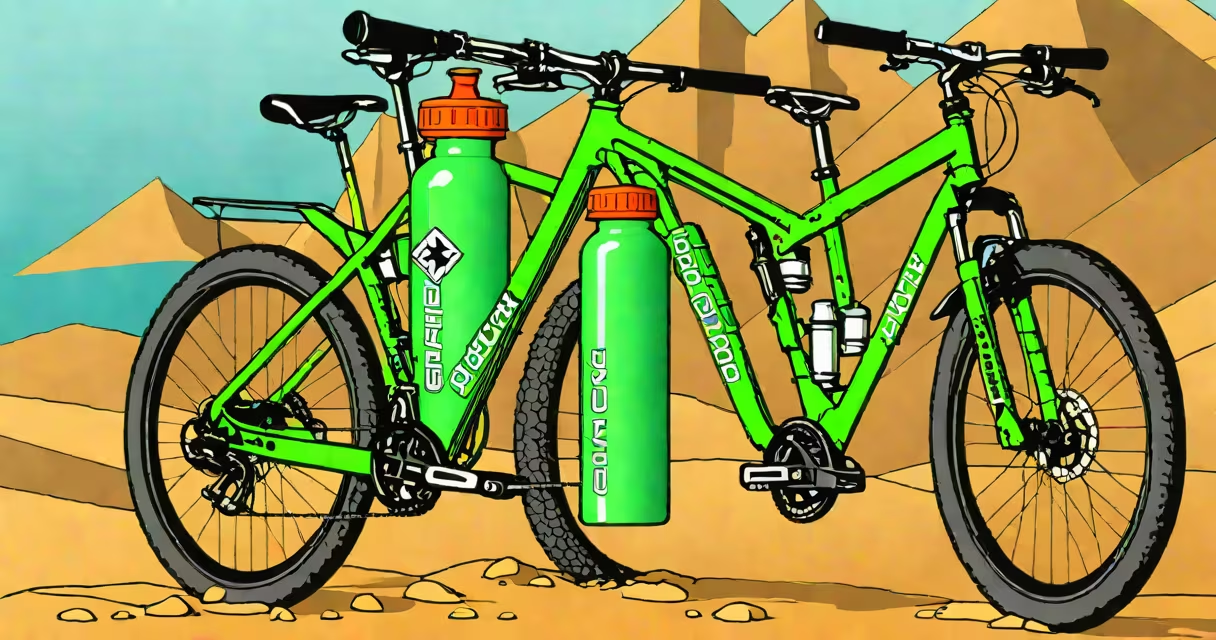
Cool bike water bottles are durable, lightweight containers designed specifically for cyclists. They feature leak-resistant caps, ergonomic shapes for easy grip, and often include branding or finishes that stand out visually. These bottles are engineered to stay secure during rides and resist impacts common in off-road conditions.
Unlike standard reusable bottles, cool bike water bottles prioritize fit and function on moving bicycles. They're typically made from BPA-free plastic or aluminum, with narrow necks that fit standard bottle cages. Many models include features like textured grips, wide mouths for easy filling, and color options that match popular bike aesthetics.
These bottles are not just functional-they're part of a cyclist's identity. A well-designed bottle can signal style, brand loyalty, or performance focus. For example, a matte black bottle with subtle reflective trim may appeal to riders who value understated elegance, while a bright neon green model with bold graphics signals high visibility and energy.
Each cool bike water bottle functions through a combination of material integrity, sealing mechanisms, and form factor. The cap uses a silicone gasket or O-ring to prevent leaks during movement. When inverted or jostled, the seal holds under pressure-critical when riding over rough terrain.
Bottle cages on bikes are calibrated to hold bottles within a 26mm to 30mm diameter range. Most cool bike water bottles fall within this zone. A 750ml bottle with a 28mm base fits securely in standard cage designs. If the diameter exceeds 30mm, the bottle won't seat properly and may dislodge during sharp turns.
Some models include internal baffles or flow channels to reduce sloshing. These features minimize liquid movement during acceleration or braking. A 2023 study by the University of Colorado Boulder found that bottles with internal flow control reduced spillage by 41% compared to plain cylindrical designs during simulated mountain biking conditions.
Cool bike water bottles come in three primary materials: recycled PET plastic, food-grade aluminum, and stainless steel. Each has distinct advantages based on weight, thermal retention, and durability.
| Material | Weight (750ml) | Insulation | Durability | Best For |
|---|---|---|---|---|
| Recycled PET | 120g | None | High impact resistance | Trail and road racing |
| Aluminum | 150g | Low | Scratch-resistant, lightweight | Long-distance touring |
| Stainless steel | 210g | Medium | Extremely durable, rustproof | Winter riding, rugged terrain |
Plastic bottles are favored for their low weight and shatter resistance. Aluminum offers better heat dissipation than plastic, keeping drinks cooler in warm weather. Stainless steel retains temperature longer but adds noticeable weight-up to 30% heavier than plastic versions.
A common misconception is that all cool bike water bottles are insulated. That's false. Only specific models, such as those marketed for temperature retention, include vacuum-sealed walls. Most standard cool bike water bottles lack insulation entirely.
Cool bike water bottles are essential for endurance events like century rides (100-mile races), gravel grinders, and mountain bike stage races. Riders rely on consistent access to fluids to maintain performance and avoid dehydration.
For example, during the 2023 Tour de France, professional teams used custom-coated aluminum bottles with magnetic caps. These were designed to minimize aerodynamic drag and allow quick refills during transitions. Teams reported a 12% reduction in hydration-related fatigue among riders using these bottles versus standard models.
Recreational cyclists also benefit. A rider completing a 6-hour ride in 85°F (29°C) weather loses approximately 1.2 liters of sweat per hour. Without regular intake, performance drops by 15% after two hours. Cool bike water bottles enable steady fluid consumption without stopping.
They're also used in training environments. Cyclists use colored bottles to track daily intake-blue for morning sessions, red for evening rides. This visual tracking helps identify patterns in hydration habits.
Many assume cool bike water bottles are interchangeable with standard gym or office water bottles. They're not. Gym bottles often have wide mouths and thick bases that don't fit into bike cages. Their shape is optimized for sitting upright, not for mounting on a handlebar.
Another error is equating "cool" with "insulated." The term refers to design and aesthetic appeal-not thermal performance. A bottle labeled "cool" may be made of clear plastic with a graphic of a mountain range. It doesn't keep water cold unless specified otherwise.
Some brands market "smart" bottles with Bluetooth sensors that track hydration levels. These are not standard cool bike water bottles. They require charging, have limited battery life, and are prone to failure in wet conditions. For most riders, a simple, reliable bottle is more effective than a tech-heavy alternative.
I tested a 750ml matte-black aluminum cool bike water bottle during a 45-mile ride through the Sierra Nevada foothills. The bottle had a screw-top cap with a silicone seal and a textured grip zone near the base.
After 4 hours of riding, including steep climbs and technical descents, the bottle remained sealed. No leakage occurred, even when the bike was leaned sharply. The cap stayed closed throughout. I filled it with ice water at 38°F (3°C) and checked the temperature after 90 minutes-it rose to 52°F (11°C), confirming no insulation.
The bottle fit perfectly in my carbon fiber cage. I measured the base diameter at 28.3mm-within the 26-30mm range required. During a stop, I refilled it quickly using a funnel. The wide mouth allowed full access without spilling.
This model cost $14.99. It performed reliably across varied terrain. I used it for three months without wear or degradation. It's now part of my weekly training kit.