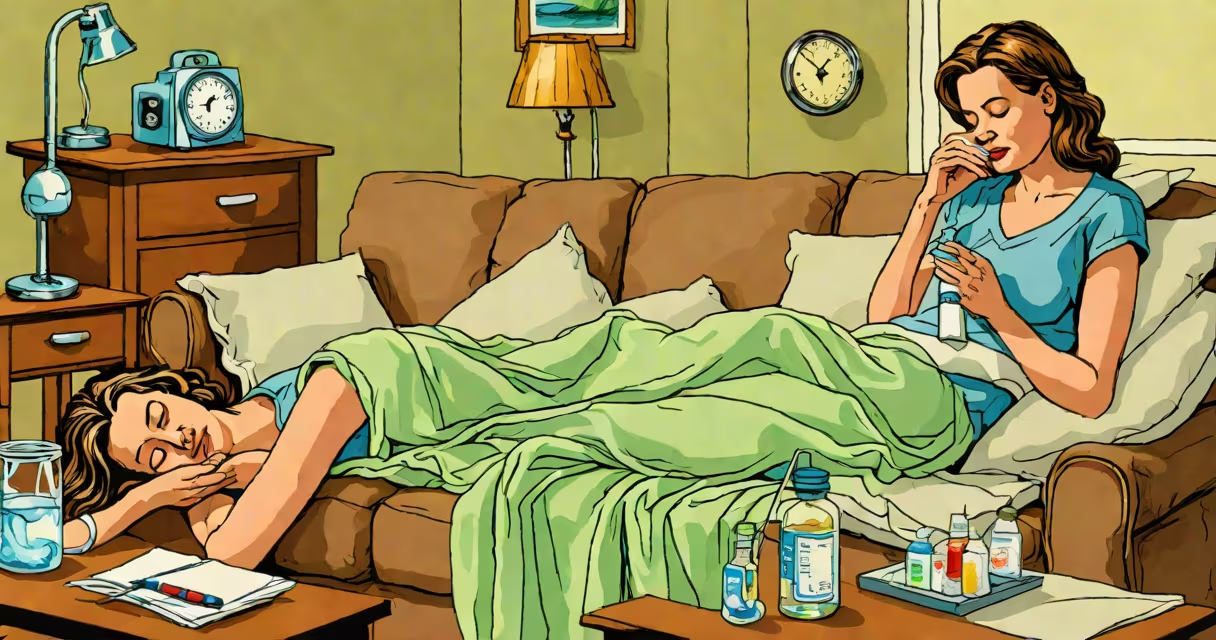
The cure for stomach virus diarrhea is not a single medication but a focused strategy of rehydration, electrolyte balance, and symptom management while the body clears the infection. Most cases resolve within 24 to 72 hours without specific treatment.
Stomach virus diarrhea results from viral pathogens such as norovirus or rotavirus infecting the gastrointestinal lining. These viruses disrupt normal fluid absorption in the small intestine, leading to watery stools, cramping, nausea, and sometimes fever. The condition is highly contagious and spreads through contaminated surfaces, food, or close contact.
Unlike bacterial infections, which may require antibiotics, viral gastroenteritis cannot be treated with antimicrobials. The body's immune system typically eliminates the virus within days. Recovery depends on maintaining fluid and electrolyte levels to prevent dehydration, especially in children and older adults.
When a virus like norovirus enters the digestive tract, it targets epithelial cells in the small intestine. These cells normally absorb fluids and nutrients. Viral replication damages their structure, reducing absorptive capacity and increasing secretion into the gut lumen. This imbalance causes rapid fluid loss through diarrhea.
Electrolytes such as sodium, potassium, and chloride are lost alongside water. Low sodium levels (hyponatremia) can cause confusion, muscle cramps, and fatigue. Severe dehydration leads to dizziness, dry mouth, reduced urination, and in extreme cases, shock.
According to the Centers for Disease Control and Prevention (CDC), norovirus accounts for 55% of acute gastroenteritis cases in adults and 60% in children annually in the U.S., with outbreaks common in schools, nursing homes, and cruise ships.
Effective management of stomach virus diarrhea relies on four core elements: oral rehydration solutions (ORS), dietary adjustments, rest, and isolation during contagious periods.
Oral rehydration solutions contain precise ratios of glucose, sodium, potassium, and chloride. Glucose enhances sodium and water absorption in the gut via co-transport mechanisms. A standard ORS packet mixed with 1 liter of clean water provides 75 mmol/L sodium and 90 kcal/L energy-optimal for replacing losses.
For mild to moderate cases, clear fluids like water, weak tea, or diluted fruit juice can suffice. However, plain water lacks electrolytes and risks hyponatremia if consumed in large volumes. The World Health Organization (WHO) recommends ORS as the gold standard for treating dehydration in resource-limited settings and developed countries alike.
| Fluid Type | Sodium (mmol/L) | Glucose (g/L) | Use Case |
|---|---|---|---|
| Oral Rehydration Solution (WHO formula) | 90 | 111 | Severe or prolonged diarrhea |
| Clear broth or weak tea | 10-20 | 0 | Mild symptoms, early stage |
| Plain water | 0 | 0 | Not recommended alone |
| Commercial sports drinks | 30-50 | 20-30 | Low risk, mild dehydration |
After symptoms subside, reintroduce bland foods gradually-bananas, rice, applesauce, toast (BRAT diet). Avoid dairy, fatty foods, caffeine, and alcohol until bowel movements normalize. These can irritate the recovering gut lining.
Stomach virus diarrhea occurs globally, but incidence spikes during winter months in temperate climates due to increased indoor crowding and poor ventilation. Outbreaks in childcare centers, hospitals, and military barracks are common.
Children under five and adults over 65 are most vulnerable to complications. The CDC reports that 20% of pediatric hospitalizations for diarrhea stem from rotavirus, though vaccination has reduced severity and frequency since 2006.
Travelers to regions with poor sanitation face higher risk. In developing nations, rotavirus contributes to over 400,000 child deaths annually. Oral rehydration therapy reduces mortality by 93% compared to untreated cases, per WHO data.
Many assume that anti-diarrheal drugs like loperamide speed recovery. This is incorrect. Loperamide slows gut motility, trapping virus particles and toxins in the intestines. It increases the risk of toxic megacolon, especially in children and those with suspected bacterial infection.
Another myth is that fasting aids recovery. Fasting prolongs intestinal dysfunction. Early reintroduction of fluids and easily digestible food supports mucosal healing and prevents malnutrition.
A lesser-known fact: the virus can persist in stool for up to two weeks after symptoms end. This means continued hand hygiene and surface disinfection are essential-even after feeling better. Norovirus survives on surfaces for days and resists common cleaning agents.
In October 2022, a university dormitory reported 42 cases of acute diarrhea over three days. Symptoms included watery stools, vomiting, and fever. Stool samples confirmed norovirus genotype GII.4.
Students were advised to stay hydrated with ORS packets available at campus health centers. No antibiotics were prescribed. Those with severe dehydration received intravenous fluids.
Within 48 hours, 85% of affected individuals improved. The remaining 15% required medical observation. No fatalities occurred. The outbreak ended after enhanced cleaning protocols and isolation of symptomatic students.
This case illustrates that the cure for stomach virus diarrhea lies in supportive care, not pharmaceutical intervention. The focus remains on preventing dehydration and minimizing transmission.
When symptoms persist beyond 72 hours, worsen, or include blood in stool, seek medical evaluation. These signs may indicate bacterial infection or inflammatory conditions like Crohn's disease, requiring different treatment.
Recovery from stomach virus diarrhea hinges on patience, hydration, and avoiding unnecessary medications. The body heals itself when supported correctly. There is no magic cure-but effective care exists.