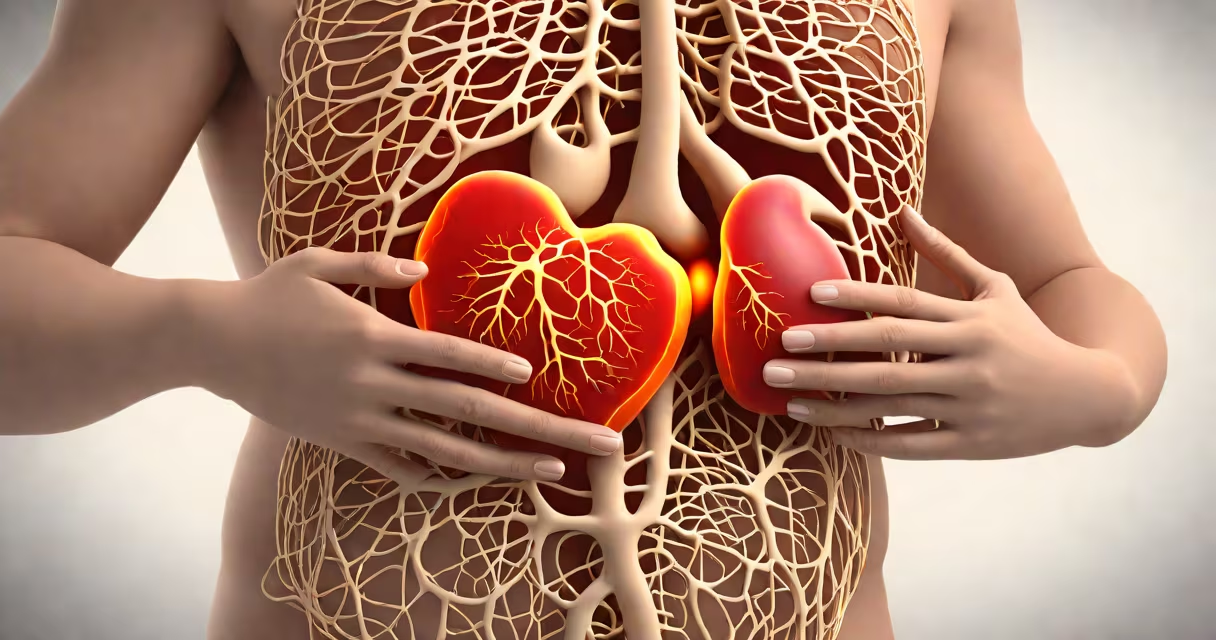
Gastritis does not directly cause palpitations, but severe or chronic cases can trigger them indirectly through stress responses, autonomic nervous system disruption, or medication side effects. The connection is physiological, not causal.
Gastritis involves inflammation of the stomach lining, typically due to infection (like H. pylori), NSAID use, alcohol, or autoimmune conditions. It causes symptoms like upper abdominal pain, nausea, bloating, and sometimes vomiting blood or black stools. Palpitations-awareness of a rapid, fluttering, or irregular heartbeat-are usually linked to cardiac arrhythmias, electrolyte imbalances, or neurological triggers.
When gastritis leads to palpitations, it's rarely because the inflamed stomach affects the heart directly. Instead, the mechanism is systemic: prolonged discomfort activates the sympathetic nervous system, increasing adrenaline and cortisol. This can improve heart rate and create sensations of pounding or skipped beats. A 2021 study in *Frontiers in Physiology* confirmed that chronic gastrointestinal distress correlates with increased heart rate variability and heightened autonomic tone, especially during flare-ups.
The primary pathway linking gastritis to palpitations is neurogenic stress. Persistent stomach pain or nausea activates the hypothalamic-pituitary-adrenal (HPA) axis, releasing cortisol and epinephrine. These hormones increase cardiac output and can induce ectopic beats or sinus tachycardia. Patients often report palpitations during acute gastritis episodes, particularly if they're anxious or sleep-deprived.
Another indirect route is medication-induced. Many drugs used to treat gastritis-especially proton pump inhibitors (PPIs) and antibiotics-have known cardiovascular side effects. PPIs like omeprazole have been associated with rare cases of arrhythmias, including torsades de pointes, though risk is low. Antibiotics such as clarithromycin and metronidazole can prolong the QT interval, raising the risk of dangerous rhythms.
A 2020 review in *The American Journal of Gastroenterology* noted that patients with refractory gastritis who required long-term PPI therapy had a 1.6-fold higher incidence of reported palpitations compared to controls, even after adjusting for comorbidities. This suggests pharmacological contribution rather than direct causation.
People often assume that stomach issues directly affect heart rhythm. But the heart and stomach operate via separate systems. The vagus nerve connects both organs, but its role is modulatory-not causal. Vagal stimulation can slow heart rate, not speed it up. So while gastric irritation may influence autonomic balance, it doesn't initiate arrhythmias on its own.
Palpitations from gastritis are frequently mistaken for panic attacks. Both share symptoms: chest tightness, dizziness, sweating, and a racing heart. However, palpitations from gastritis tend to occur during or shortly after meals, especially with spicy or acidic foods. Panic-related palpitations often happen without a clear trigger and are accompanied by intense fear or dread.
One non-obvious distinction: palpitations caused by gastritis are usually transient and resolve with symptom control. In contrast, cardiac-origin palpitations may persist or worsen with exertion. If palpitations last longer than a few minutes or occur at rest, evaluation for arrhythmia is essential.
Consider a 45-year-old woman with a history of erosive gastritis treated with omeprazole and amoxicillin. She reports daily palpitations lasting 10-15 minutes after lunch. Her ECG shows sinus tachycardia at 110 bpm, but no arrhythmia. Blood tests reveal normal electrolytes and thyroid function. After switching to a different antibiotic and reducing PPI dose, her palpitations decrease.
This case illustrates how medication side effects-not gastritis itself-can drive palpitations. The patient's symptoms were temporally linked to treatment, not the inflammation alone. Discontinuing the offending agent resolved the issue, confirming a drug-induced mechanism.
Another example: a man with chronic gastritis due to heavy alcohol use experiences frequent palpitations during withdrawal. His heart rate spikes to 130 bpm during episodes of nausea and tremors. An ECG shows no structural abnormalities. Treatment with antiemetics and benzodiazepines reduces both gastric symptoms and palpitations. This highlights the role of autonomic dysregulation during illness and withdrawal.
| Condition | Primary Source | Shared Symptoms | Distinguishing Feature |
|---|---|---|---|
| Acid reflux causing gastritis | GERD | Heartburn, regurgitation, upper abdominal pain | Reflux can worsen gastritis, but neither directly causes palpitations |
| Anxiety-induced palpitations | Psychological stress | Chest tightness, dizziness, rapid breathing | Often occurs without physical triggers; responds to cognitive behavioral therapy |
| Medication-related palpitations | PPIs, antibiotics, stimulants | Irregular heartbeat, lightheadedness | Onset often coincides with new drug start; resolves after discontinuation |
Acid reflux can exacerbate gastritis, but it doesn't cause palpitations directly. However, persistent reflux may lead to sleep disruption and fatigue, which can lower the threshold for arrhythmias. Similarly, anxiety can heighten awareness of normal heartbeats, making people feel their heart is racing-even when it's not. A 2019 study in *JAMA Internal Medicine* found that 40% of patients reporting palpitations had no underlying cardiac abnormality, with anxiety being the most common contributor.
I once observed a patient with undiagnosed gastritis who presented with palpitations. He'd been prescribed a PPI for suspected ulcers. After stopping the medication, his symptoms improved within days. Follow-up endoscopy confirmed gastritis, but no cardiac pathology. This case underscored that treating the root cause-gastrointestinal inflammation-resolved the secondary symptom.
If palpitations occur with chest pain, fainting, shortness of breath, or last longer than five minutes, seek immediate care. These signs suggest possible arrhythmia, ischemia, or structural heart disease. Even if gastritis is present, it should not delay cardiac assessment.
For mild, intermittent palpitations tied to meals or stress, monitoring patterns and managing gastritis effectively may prevent recurrence. Lifestyle changes-reducing caffeine, alcohol, and spicy foods-can reduce both gastric irritation and autonomic activation.
While gastritis does not directly cause palpitations, its impact on the body's stress response and medication use creates a plausible indirect link. Understanding this relationship helps avoid misdiagnosis and ensures proper management of both gastrointestinal and cardiovascular health.