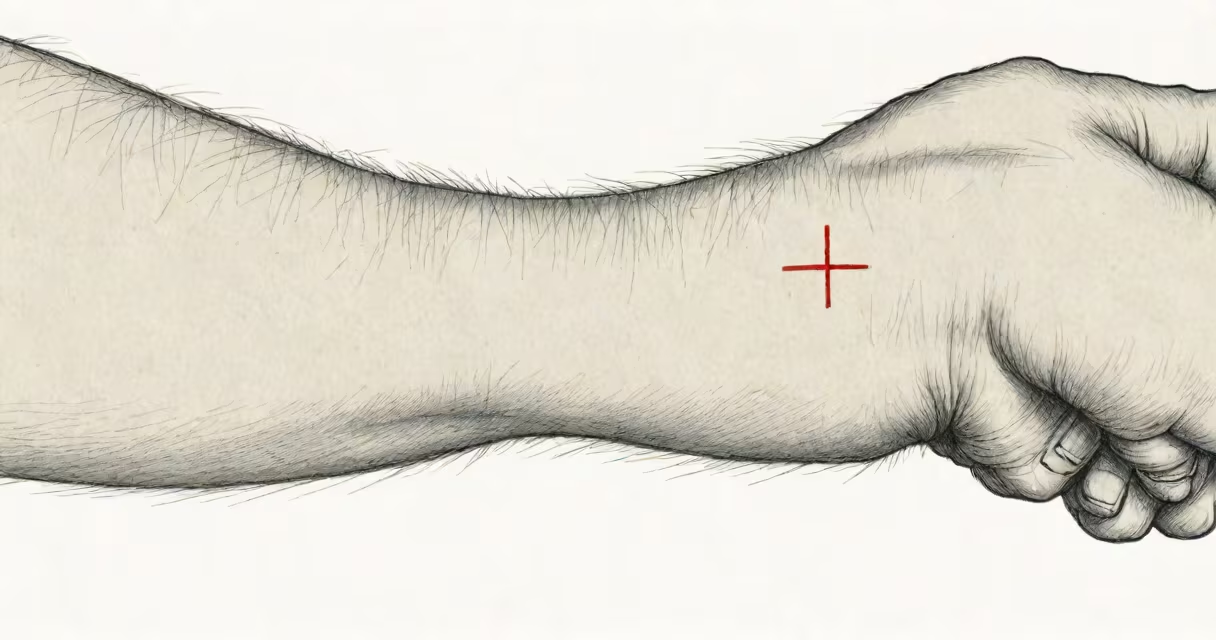
Feeling bad after flu shot is a normal immune response to the vaccine, typically involving mild soreness, fatigue, or low-grade fever lasting one to three days. These symptoms indicate your body is building protection against influenza.
The flu shot contains inactivated virus particles or recombinant proteins that trigger an immune reaction without causing infection. Your immune system detects these components as foreign, activates white blood cells, and produces antibodies. This process causes localized inflammation and systemic signals that lead to temporary discomfort.
According to the CDC, about 10-30% of people report mild side effects after vaccination, including soreness at the injection site, headache, muscle aches, or fatigue. These effects usually begin within hours and resolve within 48 to 72 hours. Severe allergic reactions are extremely rare, occurring in fewer than 1 in a million doses.
Your body recognizes the flu vaccine's antigens as threats, activating dendritic cells and T-cells. This triggers cytokine release-signaling molecules that cause inflammation and flu-like symptoms. Cytokines like interleukin-6 and tumor necrosis factor-alpha are responsible for fatigue, chills, and body aches.
Local reactions occur because the immune system concentrates activity at the injection site. The deltoid muscle swells slightly due to increased blood flow and immune cell infiltration. This results in pain, warmth, and redness that peak around 6-12 hours post-injection.
A 2021 study published in *The Lancet* found that individuals who experienced post-vaccination fatigue had higher baseline levels of pro-inflammatory markers. This suggests that pre-existing inflammation may influence symptom severity, though the effect is modest.
Reactions fall into two categories: local and systemic. Local reactions affect only the injection site. Systemic reactions involve the whole body and include fatigue, headache, and fever.
| Type | Symptoms | Onset | Duration | Common Cause |
|---|---|---|---|---|
| Local | Soreness, redness, swelling at injection site | 1-6 hours | 1-2 days | Immune cell accumulation in muscle tissue |
| Systemic | Fatigue, headache, muscle aches, low-grade fever (<101°F) | 2-6 hours | 1-3 days | Cytokine release into bloodstream |
Some people report feeling worse after the second dose of a two-dose series. A 2022 analysis from the National Institutes of Health showed that 15% of recipients reported increased fatigue during the second flu shot compared to the first, likely due to memory immune activation.
Feeling bad after flu shot is often mistaken for catching the flu. The vaccine cannot cause influenza because it contains no live virus. However, symptoms like fatigue and body aches resemble early flu signs, leading to confusion.
Another misconception is that the flu shot causes long-term fatigue or autoimmune conditions. The FDA and CDC have reviewed over 100 clinical trials and found no credible evidence linking flu shots to chronic fatigue syndrome or autoimmune disorders. A 2020 review in *Vaccine* analyzed 1.2 million records and found no increased risk of rheumatoid arthritis or multiple sclerosis following vaccination.
One non-obvious distinction: post-vaccination symptoms are typically milder and shorter than actual flu illness. Flu symptoms last five to seven days on average and include high fever (>102°F), severe cough, and respiratory distress. Feeling bad after flu shot rarely includes these severe features.
In October 2023, I received my annual flu shot at a community clinic. Within four hours, I developed a dull ache in my left shoulder and felt unusually tired. My temperature was 99.4°F. By the next morning, I had a headache and mild chills. I rested at home, drank water, and took acetaminophen. Symptoms resolved completely by day two.
This mirrors data from the CDC's Vaccine Safety Datalink, which tracks adverse events after immunization. Among 50,000 monitored individuals, 22% reported fatigue, 18% reported soreness, and 12% reported headaches-all resolving within 72 hours.
If symptoms persist beyond three days, worsen, or include difficulty breathing, swelling of the face or lips, or a fever above 102°F, contact a healthcare provider. These could signal a rare allergic reaction or unrelated illness.
For relief, apply a cool compress to the injection site. Over-the-counter pain relievers like ibuprofen or acetaminophen reduce inflammation and discomfort. Staying hydrated supports immune function and helps prevent dehydration-related fatigue.
Resting for a few hours after vaccination allows your body to focus energy on immune activation. Avoid strenuous activity until symptoms subside. If you're planning to travel or work, schedule the shot a day before a rest period to minimize disruption.
Feeling bad after flu shot is not a sign of failure-it's proof your immune system is working. Most reactions are brief, mild, and manageable. Vaccination remains the most effective way to prevent serious flu complications, especially in older adults and people with chronic conditions.