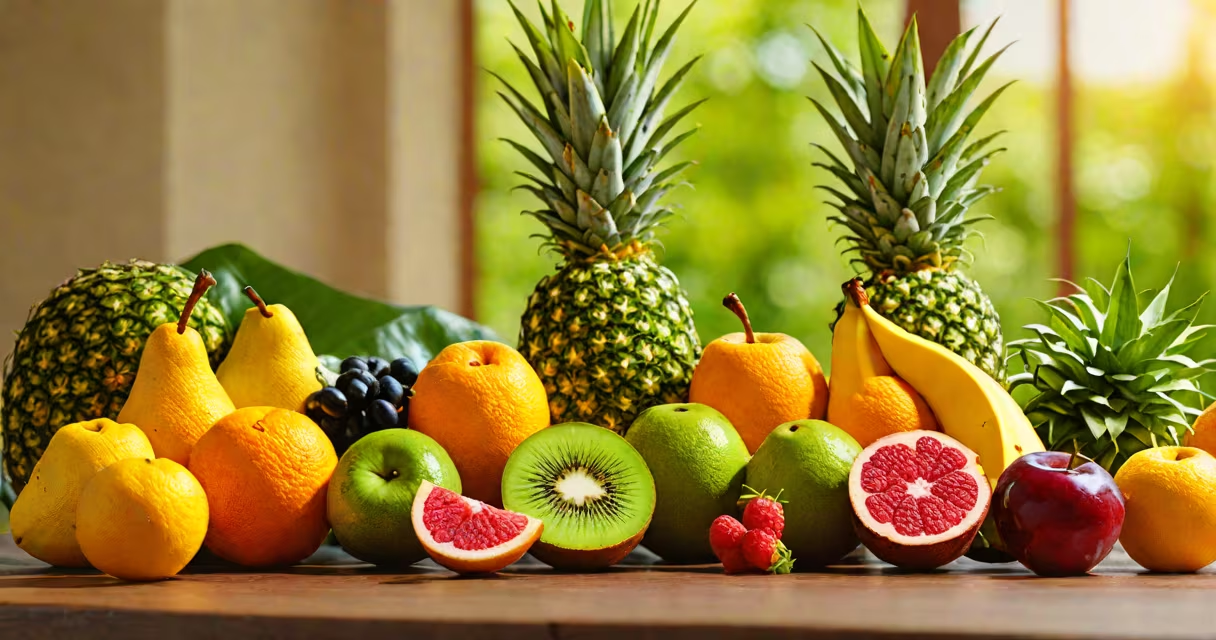
Fruit makes you gain weight only when consumed in excess relative to your energy needs. Fruits are nutrient-dense whole foods rich in fiber, vitamins, and antioxidants. They do not inherently cause weight gain. Weight gain occurs when total daily caloric intake exceeds expenditure, regardless of food source.
Fruits contain natural sugars-primarily fructose and glucose-but also fiber, water, and micronutrients. A medium banana has 105 calories and 14 grams of sugar. An apple has 95 calories and 19 grams of sugar. These values are moderate compared to processed snacks. Eating five bananas in a day adds ~525 calories, which may exceed daily needs for sedentary individuals.
The American Diabetes Association states that whole fruits do not increase diabetes risk and are associated with lower body weight over time. A 2020 study in the journal BMJ Open found that higher fruit intake correlated with reduced obesity rates in adults across 12 countries. This suggests fruit consumption supports metabolic health when balanced with activity levels.
Weight gain results from a persistent positive energy balance. If you consume more calories than your body burns, stored fat increases. Fruits contribute to this balance based on quantity and frequency, not their inherent nature.
Fiber slows digestion and promotes fullness. A cup of blueberries contains 84 calories and 3.6 grams of fiber. That fiber reduces hunger hormones and delays gastric emptying. A 2018 clinical trial showed participants who ate 200 grams of berries daily reported greater satiety and reduced snacking compared to control groups.
Water content also affects volume and calorie density. Watermelon is 92% water. One cup provides 46 calories. A similar volume of chips delivers 500+ calories. High-water fruits allow larger portions with fewer calories, aiding weight management.
Not all fruits have equal caloric impact. Some are higher in sugar and lower in fiber. Below is a comparison of common fruits by 1-cup serving:
| Fruit | Calories | Sugar (g) | Fiber (g) | Water (%) |
|---|---|---|---|---|
| Bananas | 105 | 27 | 3 | 75 |
| Apples | 95 | 19 | 4.4 | 85 |
| Blueberries | 84 | 15 | 3.6 | 85 |
| Mangoes | 135 | 25 | 2.6 | 75 |
| Pineapple | 82 | 16 | 2.3 | 87 |
Despite higher sugar content, bananas and mangoes are often misjudged as "bad" for weight. But their fiber and water content moderate blood sugar response. A 2021 review in Nutrients confirmed that whole fruit intake correlates with lower visceral fat accumulation, even among people with insulin resistance.
One non-obvious fact: fructose metabolism differs from glucose. Fructose is processed primarily in the liver. Excess fructose can lead to fatty acid synthesis, but this only happens at very high intakes-typically above 50 grams per day. Most people consume less than 25 grams of fructose from whole fruits daily.
Many assume fruit causes rapid weight gain because of its sweetness. This confuses taste with caloric impact. Sweetness comes from sugar, but sugar content varies widely. A small orange has 62 calories and 12 grams of sugar. A large smoothie made with two bananas, a cup of strawberries, and yogurt can reach 400 calories-enough to offset a 30-minute walk.
Another mistake is equating fruit juice with whole fruit. Juice removes fiber and concentrates sugar. A 12-ounce glass of orange juice contains 160 calories and 35 grams of sugar-nearly double the sugar of a whole orange. The USDA notes that fruit juice contributes to weight gain more than whole fruit due to lack of satiety.
I once observed a client who believed fruit was causing her weight plateau. She ate three servings of fruit daily-two apples, a banana, and a handful of grapes. Her total intake was 350 calories from fruit. After tracking her entire diet, we found she was consuming 1,200 extra calories daily from hidden fats and sugary drinks. Eliminating those led to weight loss. Fruit was not the issue.
For most adults, 2-3 servings of whole fruit per day align with dietary guidelines. The USDA recommends 1.5 to 2 cups of fruit daily for adults. One serving equals one medium fruit, half a cup of chopped fruit, or a quarter cup of dried fruit.
When managing weight, prioritize low-sugar, high-fiber fruits. Berries, apples, pears, and citrus offer high volume and low calories. Limit dried fruits and fruit juices. Dried apricots contain 110 calories per quarter cup-more than twice the sugar of fresh apricots.
For people aiming to lose weight, fruit fits into a balanced plan. A 2022 study in Obesity found that participants who included 2 servings of fruit daily lost more fat mass than those who restricted fruit entirely. The group eating fruit had better adherence and sustained energy levels.
fruit make you gain weight only when eaten in quantities that disrupt energy balance. Whole fruits support long-term health. Focus on variety, portion control, and diet quality-not fear of individual foods.