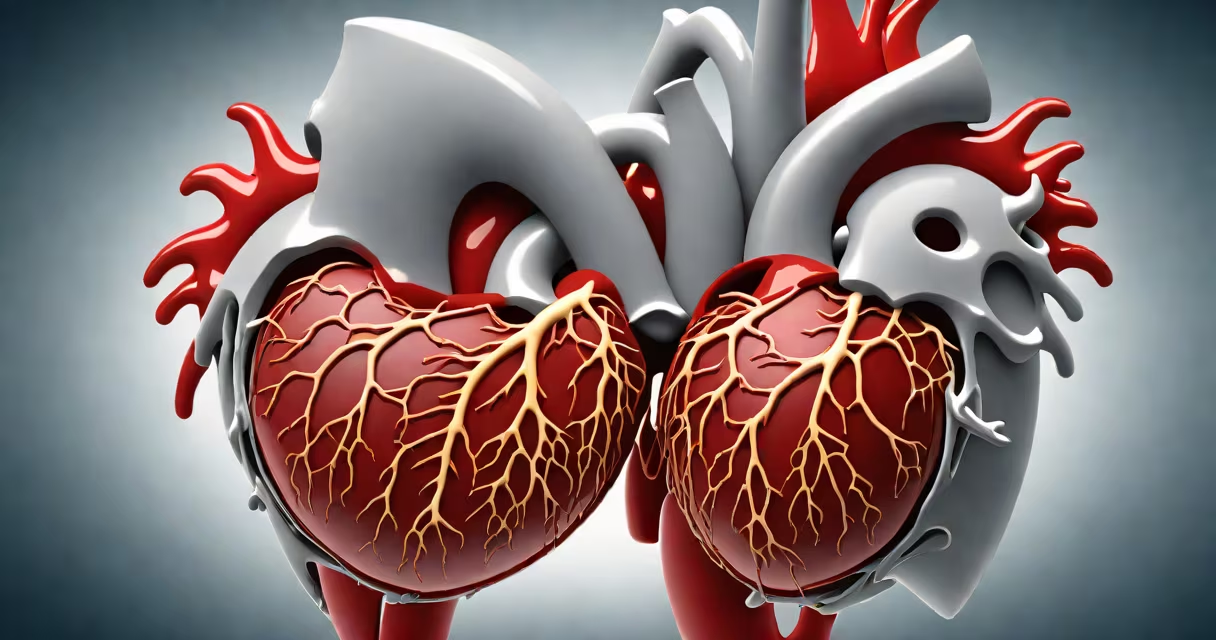
Heart valve regurgitation occurs when a heart valve doesn't close tightly, allowing blood to leak backward. This reduces pumping efficiency and may lead to strain on the heart muscle over time.
Regurgitation affects one of four valves: tricuspid, pulmonary, mitral, or aortic. Symptoms depend on which valve is involved and how severe the leakage is. Early stages often show no signs, but as the condition progresses, patients report fatigue, shortness of breath during exertion, and swelling in the legs or ankles.
The American Heart Association notes that mild regurgitation may not require treatment, but moderate to severe cases can lead to heart failure if left unmanaged. Symptoms typically worsen with physical activity or lying flat.
Each heart valve acts like a one-way gate. During systole (contraction), the valve opens to let blood flow forward. During diastole (relaxation), it snaps shut to prevent backflow. In regurgitation, the valve fails to seal completely, letting blood seep backward into the chamber it just left.
This backward flow increases volume and pressure in the affected chamber. Over time, the heart muscle thickens to compensate, but this adaptation eventually weakens the organ's ability to pump effectively.
A 2021 study in the Journal of the American College of Cardiology found that patients with moderate-to-severe aortic regurgitation had a 30% higher risk of hospitalization for heart failure within five years compared to those with mild disease.
Each valve has distinct clinical patterns based on anatomy and function. The most common forms are mitral and aortic regurgitation, followed by tricuspid and pulmonary.
| Valve Type | Typical Symptoms | Distinctive Signs |
|---|---|---|
| Mitral regurgitation | Shortness of breath on exertion, fatigue, palpitations | High-pitched holosystolic murmur heard at the apex |
| Aortic regurgitation | Exertional dyspnea, angina, dizziness | Pulsus bisferiens (double pulse), wide pulse pressure |
| Tricuspid regurgitation | Swelling in legs/ankles, abdominal bloating, fatigue | Visible neck vein pulsations (cannon A waves) |
| Pulmonary regurgitation | Rarely symptomatic; may cause right-sided heart strain | Soft early diastolic murmur at the left upper sternal border |
Tricuspid regurgitation often results from pulmonary hypertension or right ventricular enlargement. It's less likely to cause classic cardiac symptoms like chest pain but strongly linked to peripheral edema and ascites in advanced cases.
One non-obvious fact: pulmonary regurgitation rarely causes noticeable symptoms unless it's secondary to conditions like congenital heart defects or pulmonary artery hypertension. Many patients only discover it incidentally on echocardiogram.
Heart valve regurgitation symptoms mimic other conditions. Fatigue and shortness of breath are often attributed to anxiety, anemia, or deconditioning-especially in younger adults.
Patients with chronic mitral regurgitation may initially be diagnosed with asthma or COPD due to similar breathing patterns. A 2019 study in Circulation reported that nearly 22% of patients with significant mitral regurgitation were misdiagnosed with respiratory illness before proper cardiac evaluation.
Red flags include: sudden onset of breathlessness, orthopnea (needing multiple pillows to sleep), paroxysmal nocturnal dyspnea, or unexplained swelling. These suggest worsening hemodynamic stress and warrant immediate cardiology referral.
In 2020, a 58-year-old woman presented with fatigue and leg swelling. She had a history of hypertension and was taking medication for it. Initial tests showed normal kidney function and no evidence of lung disease.
She was referred to a primary care physician who suspected depression. After six months of worsening symptoms, she developed orthopnea and was admitted to the hospital. Echocardiography revealed severe tricuspid regurgitation with right heart failure.
Further investigation uncovered a prior episode of infective endocarditis affecting the tricuspid valve. Her symptoms had been present for over two years but were dismissed as lifestyle-related.
This case illustrates how regurgitation symptoms can be overlooked when they don't align with classic cardiac presentations. It underscores the importance of considering structural heart disease in patients with persistent fluid retention or unexplained fatigue.
If you experience persistent shortness of breath, especially when lying down or during light activity, consult a healthcare provider. Swelling in the lower extremities that doesn't resolve overnight, or episodes of dizziness with exertion, should prompt evaluation.
Doctors use echocardiography to confirm regurgitation severity. Mild cases may require monitoring only. Moderate to severe cases often involve medication or surgical repair.
For those with known valve issues, regular follow-up is essential. The Mayo Clinic recommends annual echocardiograms for patients with moderate regurgitation to track progression.