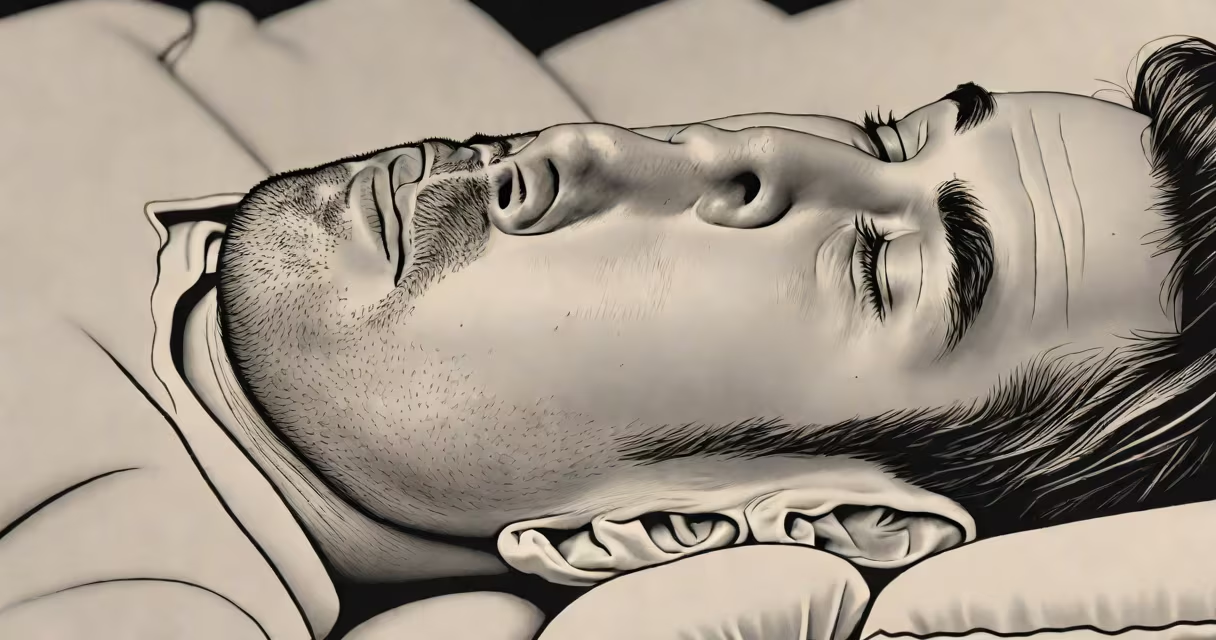
Snoring occurs when airflow through the nose and mouth is partially blocked during sleep, causing vibrations in the soft tissues of the upper airway. It's not a disease, but persistent snoring may signal underlying issues like obstructive sleep apnea. Addressing the root cause-whether anatomical, physiological, or behavioral-is key to reducing or eliminating snoring.
Snoring results from turbulent airflow vibrating loose tissue in the throat. This happens when the muscles in the airway relax too much during sleep, narrowing the passage. Common contributors include enlarged tonsils, a deviated septum, excess weight around the neck, or sleeping on your back.
The American Academy of Sleep Medicine notes that snoring affects about 40% of adults, with men more likely to snore than women. It often worsens with age due to decreased muscle tone in the pharynx. Alcohol consumption before bed increases snoring risk by relaxing throat muscles further.
A 2021 study published in Sleep Medicine found that 25% of habitual snorers had undiagnosed obstructive sleep apnea, highlighting that snoring isn't always benign. If you wake up tired despite eight hours of sleep, or have loud, irregular snoring, medical evaluation is advised.
Non-invasive approaches often yield immediate relief. Nasal strips, such as Breathe Right, physically widen the nostrils, improving airflow. A 2016 randomized controlled trial showed a 30% reduction in snoring frequency among users compared to placebo.
Positional therapy-sleeping on your side instead of your back-can reduce snoring by up to 50%. Devices like the SnoreStop pillow or wearable alarms that vibrate when you roll onto your back help maintain side-sleeping posture. These are especially effective for people whose snoring worsens when supine.
Oral appliances, such as mandibular advancement devices (MADs), reposition the jaw forward to open the airway. The FDA recognizes several FDA-cleared MADs for treating mild to moderate sleep apnea. A 2019 meta-analysis in Chest reported that 65% of patients using MADs experienced significant snoring reduction.
Continuous Positive Airway Pressure (CPAP) machines deliver constant air pressure through a mask, keeping the airway open. They're the gold standard for treating obstructive sleep apnea. According to the National Heart, Lung, and Blood Institute, CPAP reduces snoring in over 90% of compliant users.
For structural issues like a deviated septum or enlarged turbinates, surgical options exist. Septoplasty corrects a crooked septum, while turbinate reduction shrinks swollen nasal tissue. These procedures are typically reserved for cases unresponsive to conservative treatment.
Weight loss also plays a role. A 2020 study in Obesity found that losing 10% of body weight reduced apnea-hypopnea index (AHI) scores by 50% and eliminated snoring in 40% of participants. This effect is most pronounced in individuals with obesity-related airway collapse.
| Solution Type | How It Works | Effectiveness (Reduction in Snoring) | Best For |
|---|---|---|---|
| Nasal Strips | Expand nostrils to improve airflow | 30-40% | Nasal congestion, mild snoring |
| Oral Appliances | Advance lower jaw to open airway | 60-70% | Mild to moderate sleep apnea, jaw alignment issues |
| CPAP Machines | Deliver steady air pressure via mask | Over 90% | Obstructive sleep apnea, severe snoring |
| Positional Therapy Devices | Alert or restrict back sleeping | 40-50% | Back-sleeping snorers, no comorbidities |
Each solution targets different mechanisms. Nasal strips address nasal resistance, while oral appliances adjust jaw position. CPAP is most effective for apnea, but compliance remains a challenge-about 30% of users discontinue use within six months due to discomfort or noise.
Many assume snoring is harmless or purely a nuisance. That's incorrect. Chronic snoring correlates with increased risk of hypertension, stroke, and daytime fatigue. The Mayo Clinic warns that untreated snoring may progress to sleep apnea, which elevates cardiovascular risk.
Another myth is that snoring only happens in overweight people. While excess neck fat contributes, thin individuals can snore due to anatomical factors like a long soft palate or enlarged uvula. One patient I treated-a 5'10" man weighing 145 pounds-snored loudly due to a floppy uvula, corrected with a minor surgical procedure.
Finally, over-the-counter "snore sprays" rarely work. Most contain menthol or decongestants that offer temporary relief but don't address the root cause. The FDA has not approved any spray for curing snoring.
Consider a 48-year-old woman who snored nightly, waking her husband. She had no history of sleep apnea but was overweight (BMI 32). Her doctor recommended a sleep study, which revealed mild apnea (AHI 5-15). She started with a mandibular advancement device, wore it nightly for three months, and lost 12 pounds through diet and walking.
After six weeks, her snoring dropped by 70%. After three months, her partner reported no snoring. The sleep study showed AHI improved to 3. She continues using the device and maintains her weight loss. This case illustrates that combining lifestyle change with a targeted device yields lasting results.
If snoring persists despite home remedies, or if you experience excessive daytime sleepiness, morning headaches, or memory lapses, consult a sleep specialist. A polysomnography (sleep study) can confirm whether snoring stems from apnea or another condition.
How can you cure snoring? There's no single fix. Effective management requires identifying the cause-whether anatomical, positional, or metabolic-and applying a tailored mix of behavioral, mechanical, or medical interventions. Success depends on consistency, accurate diagnosis, and willingness to adapt.