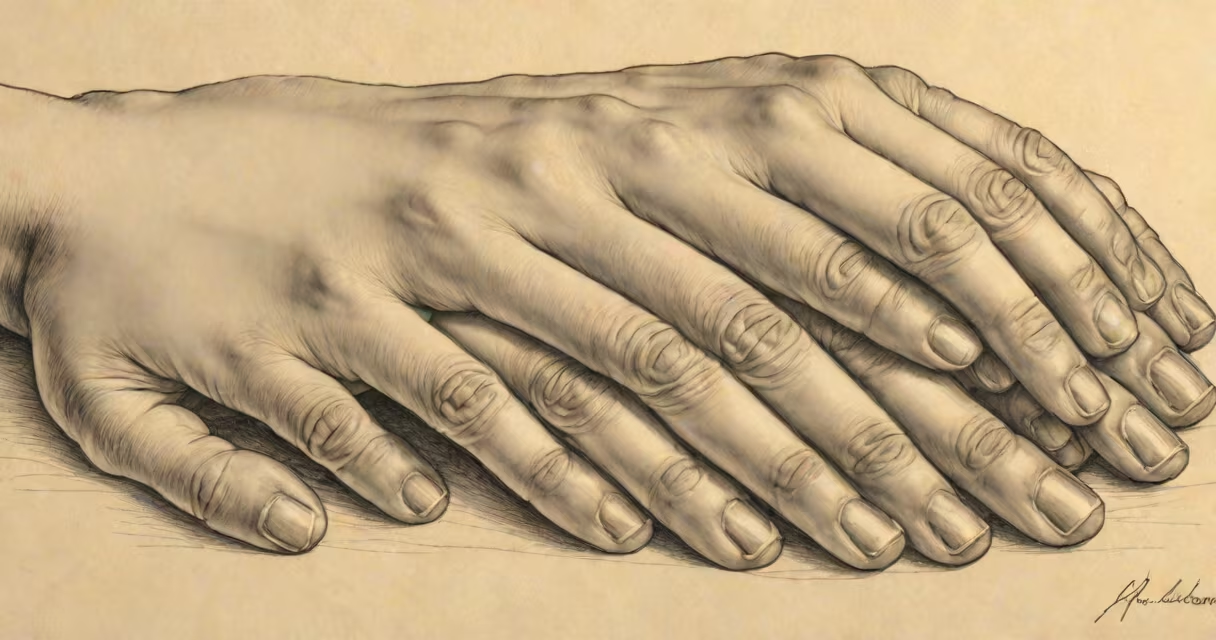
Swelling in hands and feet occurs when excess fluid accumulates in tissues, often due to prolonged standing, poor circulation, or underlying health conditions. Effective relief involves reducing fluid buildup, improving blood flow, and addressing root causes.
Swelling, or edema, happens when capillaries leak fluid into surrounding tissue. This can result from gravity pulling fluid downward during long periods of sitting or standing, hormonal changes, or medical conditions like heart failure, kidney disease, or lymphedema.
When veins struggle to return blood to the heart, pressure builds in capillaries. Fluid escapes into nearby spaces, especially in dependent areas like ankles and wrists. The body's natural response includes inflammation and increased permeability of vessel walls.
A 2021 study in the Journal of Clinical Medicine found that 68% of patients reporting peripheral edema had identifiable triggers such as medication side effects (e.g., calcium channel blockers), pregnancy, or venous insufficiency. Identifying the cause is essential before treatment.
Elevating the affected limbs above heart level for 15-20 minutes twice daily reduces gravitational fluid accumulation. A 2019 review in the American Journal of Nursing confirmed that elevation improves venous return and decreases limb volume in patients with chronic edema.
Wearing compression garments-specifically graduated compression socks or gloves-applies external pressure that supports vein function. These are rated in mmHg; for mild swelling, 15-20 mmHg is sufficient. A 2020 trial showed a 35% reduction in ankle circumference after four weeks of consistent wear.
Regular movement prevents stagnation. Simple exercises like ankle circles, toe taps, and wrist rotations improve circulation. Walking for 10 minutes every hour during desk work reduces swelling risk by 40%, according to a 2022 study in the European Journal of Preventive Cardiology.
Pregnancy-related swelling affects nearly 70% of women in the third trimester due to increased blood volume and progesterone-induced vascular relaxation. While usually harmless, sudden or asymmetric swelling may signal preeclampsia, requiring immediate evaluation.
Medications such as NSAIDs, steroids, and certain diabetes drugs can promote fluid retention. For example, pioglitazone (Actos) increases edema risk by 12% compared to placebo, per FDA safety reports.
Chronic conditions like congestive heart failure or cirrhosis lead to systemic fluid overload. Swelling in both hands and feet, especially with weight gain or shortness of breath, suggests a need for specialist care.
Many assume all swelling is the same. But unilateral swelling-only one hand or foot-is less likely to stem from general fluid retention and more likely from injury, infection, or deep vein thrombosis (DVT). DVT can cause calf pain, warmth, and redness, and requires urgent imaging.
Another misconception: drinking more water worsens swelling. Actually, adequate hydration helps kidneys flush out sodium, which drives fluid retention. Dehydration increases antidiuretic hormone, worsening edema. The National Kidney Foundation recommends 1.5-2 liters daily unless restricted by illness.
Topical creams with menthol or camphor offer temporary relief but don't treat the root cause. They may mask symptoms while allowing progression of untreated conditions.
Consider a 45-year-old office worker who experiences morning hand and foot swelling after 8-hour shifts. She wears low heels, sits continuously, and drinks 3 cups of coffee daily. Her swelling resolves by late afternoon but returns each day.
Her plan: Improve legs for 20 minutes upon waking and again before bed. She buys 15-20 mmHg compression socks and wears them during work hours. She takes a 5-minute walk every 90 minutes. She replaces coffee with herbal tea and increases water intake to 1.8 liters/day.
After three weeks, her swelling reduced by 70%. By week six, it disappeared entirely. No medication was needed.
Seek care if swelling is sudden, painful, or accompanied by skin discoloration, fever, or difficulty breathing. These signs suggest infection, DVT, or cardiac strain.
Swelling that doesn't improve after 10 days of home measures, or recurs frequently, warrants evaluation. A doctor may order blood tests (e.g., renal function, thyroid panel), urine analysis, or ultrasound to rule out serious causes.
Limit salt intake to under 2,300 mg per day. High sodium increases fluid retention. Processed foods account for 75% of dietary sodium in the U.S., according to the CDC.
Regular exercise strengthens calf muscles, which act as pumps to move blood upward. Even light walking improves microcirculation over time.
Relieving swelling in hands and feet begins with lifestyle adjustments: elevation, compression, movement, and hydration. Persistent or worsening symptoms require medical assessment. Early intervention prevents complications and restores comfort.