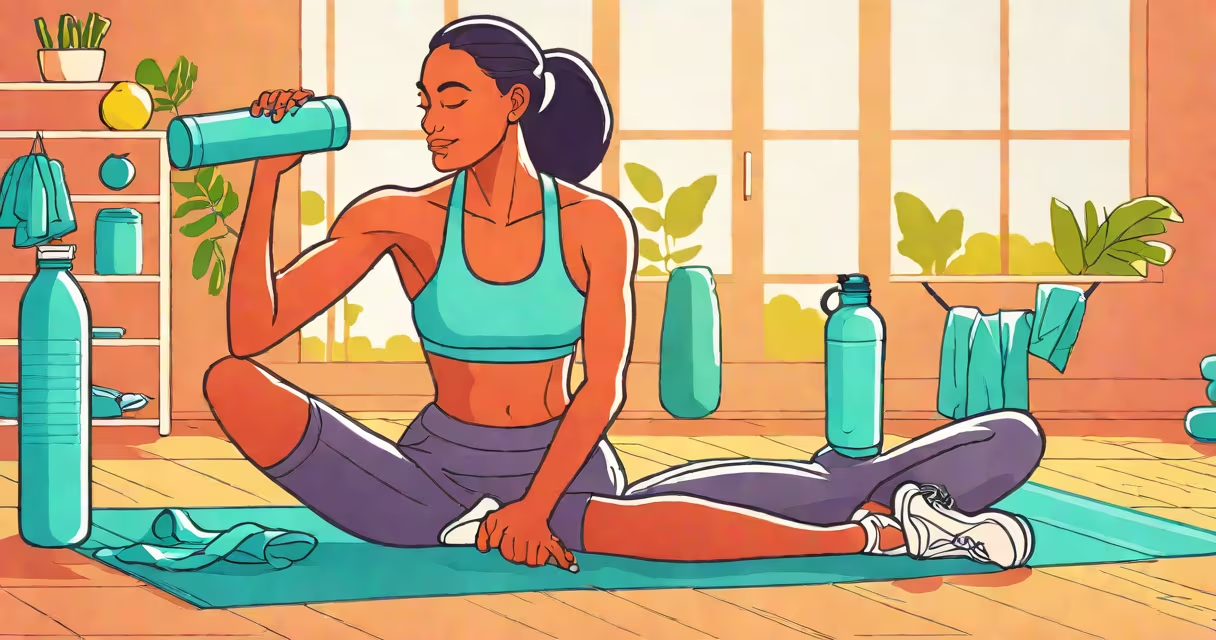
Delayed onset muscle soreness (DOMS) typically peaks 24-72 hours after intense or unfamiliar exercise and results from microscopic muscle fiber damage. Effective recovery reduces discomfort and supports long-term progress.
DOMS occurs when muscles endure eccentric contractions-lengthening under load-such as lowering weights or running downhill. This damage triggers inflammation and nerve sensitivity, causing stiffness and tenderness. The soreness resolves as repair processes rebuild muscle tissue stronger.
Research from the Journal of Strength and Conditioning Research confirms that consistent training reduces DOMS over time due to neuromuscular adaptation and improved muscle resilience. However, sudden increases in volume or intensity still provoke soreness, especially in untrained individuals.
DOMS develops not during exercise but after, as immune cells and inflammatory markers accumulate in damaged muscle tissue. This process begins within 6-12 hours post-exercise and reaches peak intensity around 48 hours.
Contrary to popular belief, lactic acid does not cause DOMS. Lactate clears from muscles within minutes after stopping activity. The real culprit is mechanical stress on muscle fibers, particularly during eccentric movements like the lowering phase of a squat or pull-up.
A 2018 study published in Frontiers in Physiology showed that participants who performed novel resistance exercises experienced significant soreness, but those who trained regularly had reduced symptoms-even with similar loads-indicating that the nervous system adapts faster than muscle tissue repairs.
Hydration and protein intake within 30-60 minutes post-workout accelerate muscle repair. Consuming 20-40 grams of high-quality protein (e.g., whey, eggs, or tofu) with carbohydrates (like fruit or oats) improves recovery by increasing amino acid availability.
Active recovery-light movement such as walking, cycling at low resistance, or gentle yoga-increases blood flow to muscles, reducing swelling and clearing metabolic waste. A 2020 review in Journal of Sports Sciences found that 10-15 minutes of light aerobic activity post-exercise decreased perceived soreness by 25% compared to complete rest.
Heat therapy applied 48 hours after intense training may reduce stiffness. Applying a warm compress or taking a warm bath increases circulation and relaxes muscle tension. Cold therapy (ice packs) is less effective for DOMS and better suited for acute injuries.
Overtraining without adequate rest leads to chronic fatigue and increased injury risk. Training the same muscle group daily prevents proper repair. The American Council on Exercise recommends 48-hour recovery between sessions targeting the same muscle groups.
Skipping cooldowns and stretching limits blood flow return and may increase muscle tightness. While static stretching doesn't prevent DOMS, changing warm-ups before workouts and light mobility work afterward improve joint range and reduce stiffness.
One overlooked factor: sleep quality. During deep sleep, growth hormone release peaks, supporting tissue repair. A 2021 study in Sleep Medicine linked poor sleep duration (<6 hours) to prolonged soreness and slower strength gains.
After a leg workout involving 4 sets of 10 back squats (135 lbs), 3 sets of 12 lunges, and 3 rounds of 30-second jump rope, a lifter experiences moderate DOMS in quads and hamstrings.
Within 30 minutes post-workout, they consume a shake with 30g whey protein and 40g dextrose. They walk for 15 minutes at 2 mph, then perform 10 minutes of foam rolling on quads and glutes using a medium-density roller.
On day two, they take a 20-minute warm bath with Epsom salts (magnesium sulfate). On day three, they do a light 20-minute bike session at 60 RPM. By day four, soreness drops below 2/10 on a pain scale.
| Recovery Method | When to Use | Effectiveness (Based on Evidence) |
|---|---|---|
| Protein + carbs within 60 min | Immediately post-exercise | High - accelerates muscle synthesis |
| Light cardio (10-15 min) | Same day, after cooling down | Medium-high - reduces perceived soreness |
| Foam rolling (10 min) | Post-workout or next morning | Low-medium - improves flexibility, not soreness reduction |
| Warm bath (20 min) | 48+ hours after workout | Medium - eases stiffness, promotes relaxation |
| Ice packs | Acute injury only | Low - ineffective for DOMS, may delay healing |
Some assume soreness equals progress. While mild soreness indicates muscle stress, severe pain limits performance and increases injury risk. The National Academy of Sports Medicine states that pain beyond mild discomfort signals potential overuse injury, not adaptation.
Another myth: "soreness means you're building muscle." Muscle growth (hypertrophy) depends on progressive overload and adequate recovery-not soreness itself. A 2019 study in Medicine & Science in Sports & Exercise found no correlation between DOMS severity and muscle size gains over 8 weeks.
I once trained a client who reported extreme quad soreness after deadlifts. Upon review, their form was inconsistent, and they'd added weight too quickly. After correcting technique and implementing proper progression, soreness dropped by 70% despite maintaining workload.
Sharp, localized pain, swelling, or inability to bear weight suggest injury-not DOMS. If soreness lasts longer than 7 days or worsens over time, consult a physical therapist. Persistent soreness may indicate tendinopathy or stress fractures.
For example, persistent lower back soreness after deadlifts may stem from improper bracing or lumbar flexion. The British Journal of Sports Medicine reports that 30% of lower back pain in lifters stems from poor core engagement, not muscle strain.
Understanding how to stop being sore after a workout involves recognizing that soreness is a signal-not a goal. Managing it properly supports consistency, strength gains, and longevity in training.