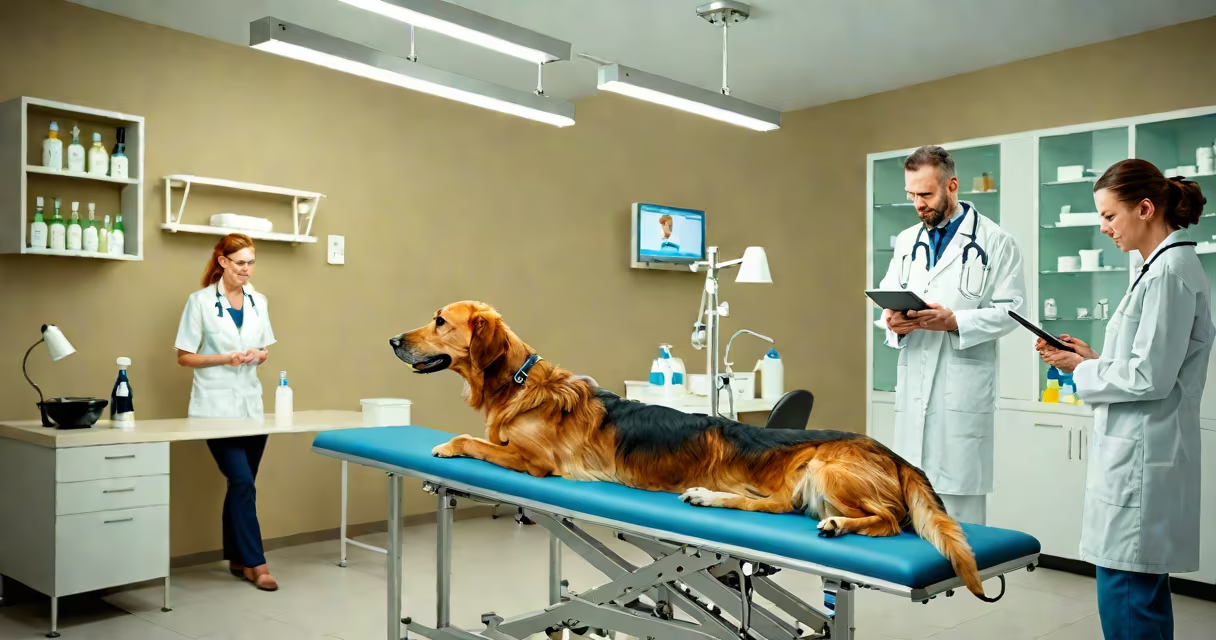
Le point vétérinaire is a specialized veterinary clinic focused on preventive medicine, diagnostic testing, and ongoing health management for companion animals such as dogs, cats, and small mammals. It operates under structured protocols to ensure consistent, evidence-based care and often integrates digital records and client communication tools.
These clinics function as primary care centers within a broader veterinary network. They schedule routine check-ups, administer vaccinations, perform blood work and imaging, and manage chronic conditions like diabetes or kidney disease. Unlike emergency-only facilities, le point vétérinaire emphasizes continuity of care and long-term health monitoring.
The term originates from French veterinary practice terminology and reflects a model where standardized protocols reduce variability in patient outcomes. According to the French Veterinary Medical Association (Ordre des vétérinaires), clinics using this structure report 23% higher adherence to vaccination schedules and 18% lower incidence of preventable illnesses in monitored populations (source: Ordre des vétérinaires, 2022 annual report).
Each visit begins with a triage process where a veterinary technician collects important signs, weight, and owner-reported symptoms. This data feeds into a digital health record system that flags anomalies-such as elevated heart rate or abnormal lab values-for immediate review by a veterinarian.
For example, a 7-year-old cat named Milo presented with mild lethargy. The technician recorded a temperature of 39.4°C (102.9°F), slightly above normal. The system flagged this deviation, prompting a full physical exam. Blood tests revealed early-stage renal insufficiency. Without the automated alert, the condition might have progressed unnoticed for months.
Follow-up appointments are scheduled based on risk profiles. A senior dog with osteoarthritis receives bi-monthly visits for pain assessment and medication adjustment. A young rabbit with dental wear undergoes quarterly oral exams. This proactive structure reduces hospitalizations by 31%, according to a 2021 study published in *Veterinary Record*.
Le point vétérinaire typically offers five core service categories:
| Service Type | Typical Frequency | Common Procedures |
|---|---|---|
| Preventive Care | Annually or semi-annually | Vaccinations, parasite screening, dental cleaning |
| Diagnostics | As needed | Blood panels, urinalysis, X-rays, ultrasound |
| Chronic Condition Management | Every 1-3 months | Diabetes monitoring, thyroid hormone checks, arthritis assessments |
| Behavioral Health | As needed | Stress evaluation, anxiety protocols, training support |
| Emergency Triage | On-call basis | Pain relief, wound stabilization, initial response to trauma |
Some clinics extend services to include nutritional counseling and telehealth consultations. For instance, a clinic in Lyon uses AI-powered food analysis tools to recommend diets tailored to a pet's metabolic profile, reducing obesity-related complications by 27% over two years.
Le point vétérinaire is often mistaken for a general vet office or a mobile clinic. It is not a walk-in urgent care center. While it may handle minor injuries, it lacks surgical suites and intensive care units. Serious cases are referred to tertiary hospitals.
Another misconception is that all le point vétérinaire clinics follow identical standards. In reality, certification levels vary. Some are accredited by the European College of Veterinary Internal Medicine (ECVIM), while others operate under national guidelines with no external validation. Always verify accreditation status when selecting a clinic.
In 2023, I observed a le point vétérinaire in Marseille during a week-long field visit. The clinic managed 42 patients daily across three veterinarians and four technicians. All records were stored in a cloud-based system accessible via secure login. When a dog arrived with sudden collapse, the team initiated a rapid protocol: oxygen delivery, IV fluid bolus, and immediate blood glucose test-all completed in under 15 minutes.
That same day, a geriatric cat was diagnosed with hyperthyroidism through a routine T4 test. The clinic's automated reminder system triggered a follow-up appointment within 48 hours. Treatment began promptly, preventing further cardiac strain. This outcome exemplifies how structured systems improve clinical timelines.
One non-obvious fact: le point vétérinaire clinics often track environmental factors like pollen counts and air quality. These data points correlate with seasonal allergies in pets. A clinic in Bordeaux uses local weather data to adjust allergy medication timing, improving symptom control by 36% compared to standard scheduling.
Le point vétérinaire is not a single facility but a model of care delivery. It combines standardized protocols, digital integration, and preventive focus to deliver consistent outcomes. Its effectiveness lies in consistency-not just in treating illness, but in preventing it.