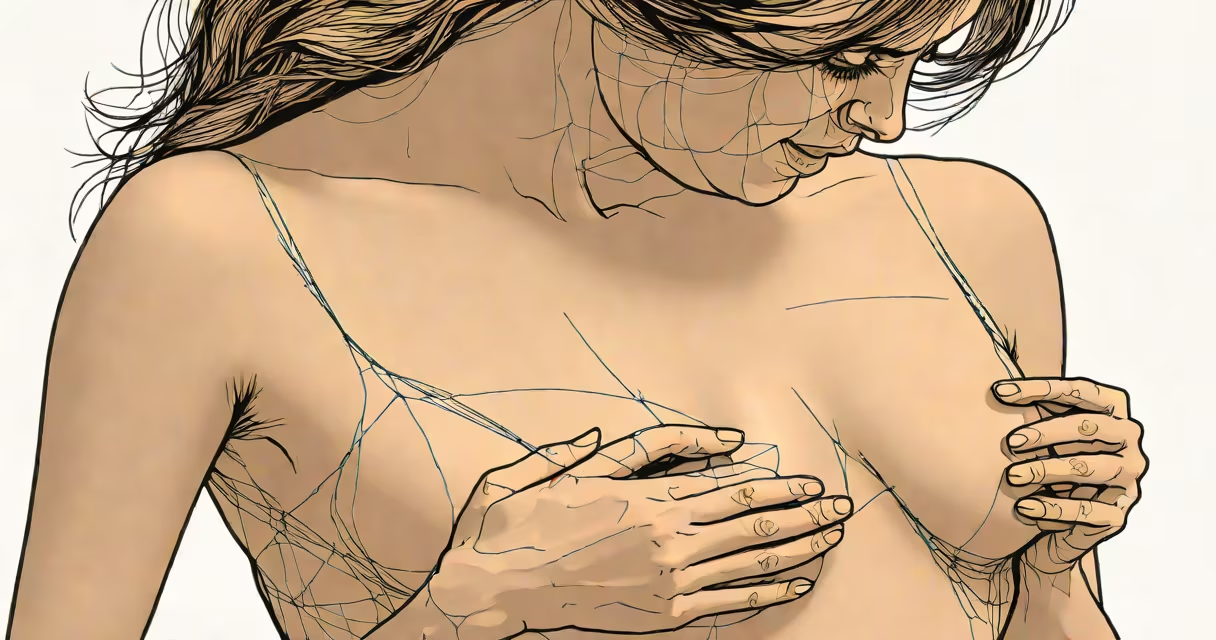
Left side breast tenderness refers to localized discomfort, soreness, or sensitivity in the left breast, typically caused by hormonal fluctuations, cyclical changes, or benign breast conditions. It may occur independently of the right breast and is often temporary.
Most cases stem from normal physiological processes. Hormonal shifts during the menstrual cycle, pregnancy, or perimenopause commonly trigger unilateral breast sensitivity. In rare instances, persistent or worsening tenderness may signal underlying pathology requiring medical evaluation.
Hormones such as estrogen and progesterone influence breast tissue throughout the menstrual cycle. Estrogen peaks before ovulation, increasing blood flow and fluid retention in breast ducts and lobules. Progesterone rises after ovulation, further stimulating tissue growth and swelling. These changes can cause tenderness, especially in the left breast due to asymmetrical hormone receptor distribution or dominant nerve pathways.
A 2021 study published in Journal of Clinical Endocrinology & Metabolism found that 68% of women reported cyclic breast pain, with 42% experiencing unilateral symptoms-most frequently on the left side. This suggests biological asymmetry plays a measurable role in localized discomfort.
Non-cyclic causes include fibrocystic breast changes, where fluid-filled cysts form in breast tissue. These are common, benign, and often fluctuate with hormones. A 2019 review in BMJ Open noted that fibrocystic changes affect up to 60% of women aged 30-50, with tenderness often isolated to one breast.
Left side breast tenderness can result from several distinct conditions. Most are harmless, but accurate identification prevents unnecessary anxiety and ensures timely care when needed.
| Type | Key Features | Typical Duration | Common Triggers |
|---|---|---|---|
| Cyclical tenderness | Linked to menstrual cycle; worsens premenstrually | Days 14-28 of cycle | Estrogen/progesterone surges |
| Fibrocystic changes | Painful lumps or nodules; may shift location | Variable; often cycles with hormones | Hormonal imbalance, stress |
| Postural strain | Sharp, localized pain; worsens with movement | Hours to days | Improper bra fit, repetitive motion |
| Infection (mastitis) | Redness, warmth, fever; rare in non-lactating women | Days to weeks | Bacterial entry via cracked nipple |
One non-obvious distinction: tenderness from fibrocystic changes often feels "ropy" or "bumpy" under the skin, unlike the diffuse ache of hormonal swelling. Palpation reveals texture differences between cysts and solid tissue.
Left side breast tenderness appears most frequently in reproductive-age women, particularly those with regular cycles. It's not a disease but a symptom. The condition is often misattributed to cancer, though breast cancer rarely presents as isolated unilateral tenderness without a lump, skin changes, or nipple discharge.
The American Cancer Society states that breast pain is not a typical early sign of breast cancer. In a 2020 analysis of over 10,000 screening mammograms, only 2.3% of women with pain had malignancy detected-most were diagnosed due to palpable masses or imaging abnormalities, not pain alone.
Another misconception: people assume left-sided pain indicates heart issues. While chest pain near the left breast can originate from cardiac sources, true cardiac pain is typically pressure-like, radiates to the arm or jaw, and occurs during exertion. Breast tenderness is usually sharp, localized, and unaffected by activity.
Seek medical evaluation if tenderness persists beyond the menstrual cycle, worsens over time, or is accompanied by:
I once saw a patient who reported left breast tenderness for six months. She'd dismissed it as "just PMS." On exam, a firm, immobile mass was found. Biopsy confirmed invasive ductal carcinoma. The tumor was stage II, but caught early due to persistent symptoms. This case underscores that while most tenderness is benign, ignoring long-term changes risks delay in diagnosis.
For context, a 2022 study in Annals of Internal Medicine found that women who reported persistent breast pain were 3.2 times more likely to have a breast lesion identified on ultrasound compared to those with intermittent pain.
Left side breast tenderness is often confused with pain from the rib cage or muscles beneath the breast. Pain in ribs on left side under breast may mimic breast pain but lacks breast-specific triggers. It often worsens with deep breaths, coughing, or twisting motions.
For example, costochondritis-a condition involving inflammation of the cartilage connecting ribs to the sternum-can cause sharp, localized pain that feels like it's coming from the breast. However, pressing on the rib joints reproduces the pain, whereas breast tissue doesn't respond to direct rib pressure.
If you're unsure whether pain originates in the breast or the chest wall, checking for rib-related pain can help clarify the source. True breast tenderness is felt deeper, often described as a dull ache or heaviness, and may change with hormone levels.
Simple steps reduce discomfort. Wearing a supportive bra, avoiding caffeine, and applying warm compresses may ease mild tenderness. Over-the-counter NSAIDs like ibuprofen reduce inflammation and relieve pain in 70% of users, according to a 2018 randomized trial in British Journal of General Practice.
Keep a symptom journal tracking pain timing, intensity, and associated factors (e.g., cycle phase, stress, diet). This helps identify patterns and informs clinical decisions. If tenderness persists past the menstrual cycle or becomes severe, consult a provider for physical exam and possible imaging.
Left side breast tenderness is usually a normal response to hormones or benign tissue changes. It is not inherently dangerous. But consistent or unusual symptoms warrant attention. Early detection of rare conditions improves outcomes.