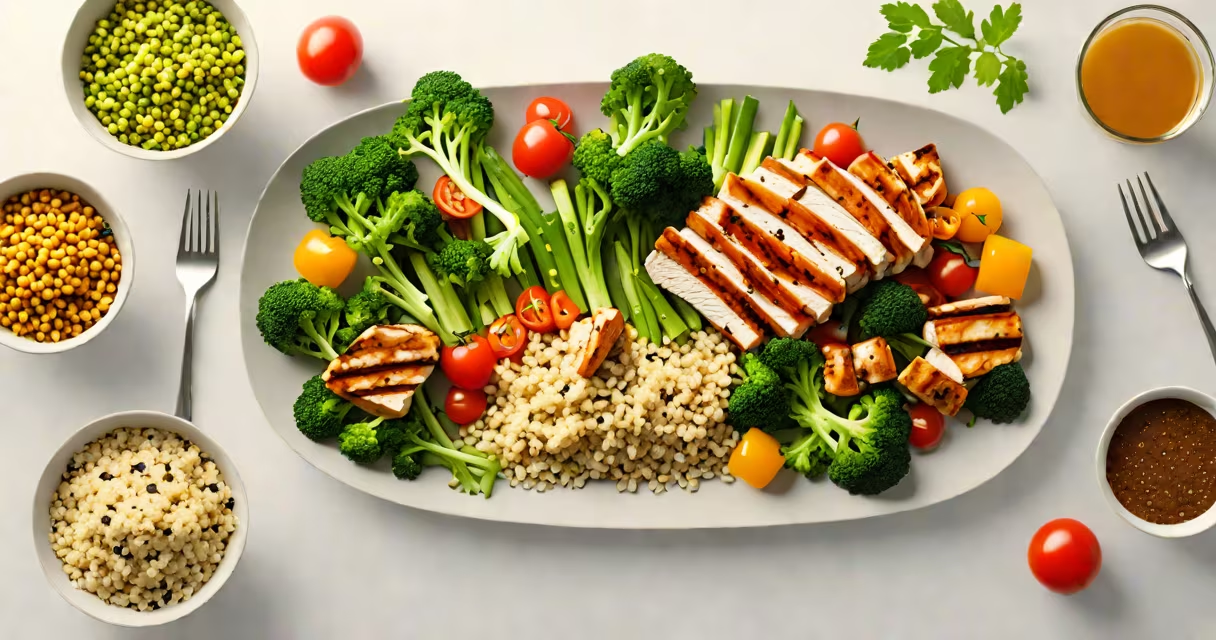
A meal plan after gallbladder removal prioritizes low-fat, high-fiber foods to reduce digestive strain during recovery. The gallbladder stores bile for fat digestion, so its absence requires adjusting intake to prevent bloating, diarrhea, or discomfort.
Without the gallbladder, bile flows continuously from the liver into the small intestine. This means large or fatty meals overwhelm the system, leading to symptoms like cramping or loose stools. A structured meal plan reduces these risks by spacing out fat intake and focusing on easily digestible foods.
The American Society for Gastrointestinal Endoscopy notes that most patients resume normal eating within 2-4 weeks post-surgery, but gradual reintroduction of foods is essential. A well-designed meal plan supports this transition while minimizing complications.
After gallbladder removal, the body lacks the ability to store and concentrate bile. As a result, fat digestion becomes less efficient. Large amounts of fat in a single meal can cause the intestines to react with rapid contractions, leading to diarrhea or pain.
To manage this, the meal plan divides daily fat intake across multiple smaller meals. Instead of three large portions, aim for four to six smaller ones. This mimics the natural release of bile and prevents overload.
For example, a typical day might include: scrambled eggs with spinach (low-fat protein), a side of oatmeal with berries (fiber-rich carbs), a turkey and avocado wrap (moderate fat), and grilled salmon with steamed broccoli (healthy fats in controlled amounts).
Focus on lean proteins, soluble fiber, and healthy fats in moderation. Soluble fiber slows digestion and binds bile acids, reducing diarrhea risk. Foods like oats, apples, and carrots are effective.
Proteins such as skinless poultry, fish, tofu, and legumes provide nutrients without triggering symptoms. Start with boiled or baked preparations. Avoid fried, breaded, or heavily seasoned versions.
Fats should be limited to 20-30 grams per day, distributed across meals. Choose monounsaturated fats like olive oil, avocado, and nuts in small quantities. However, even healthy fats can cause issues if consumed in excess.
| Food Type | Recommended | Limit or Avoid |
|---|---|---|
| Proteins | Grilled chicken, cod, lentils, tofu | Fried meats, bacon, processed deli meats |
| Fats | Olive oil (1 tsp), avocado (¼), nuts (10 almonds) | Butter, cream sauces, fried snacks |
| Carbohydrates | Oats, brown rice, sweet potatoes, apples | White bread, pastries, sugary cereals |
| Vegetables | Steamed broccoli, zucchini, carrots, spinach | Cabbage, cauliflower, onions (may cause gas) |
One common mistake is assuming all fats are bad. The body still needs fat for vitamin absorption and hormone function. The issue is quantity and timing. A single serving of avocado (about ½ fruit) provides 15 grams of fat-enough to trigger symptoms if eaten with a high-fat meal.
Many assume they must avoid all fat permanently. This is incorrect. Most people regain tolerance to moderate fat intake over time. The goal is not elimination but control.
Another error is rushing into solid foods too soon. The first 24 hours after surgery typically involve clear liquids only. Gradually introduce soft foods like broth, mashed potatoes, and plain yogurt. Skipping this phase increases nausea and vomiting risk.
Some believe spicy or acidic foods are safe because they don't contain fat. But citrus, tomatoes, and chili can irritate the digestive tract, especially during early recovery. Symptoms may mimic gallbladder-related pain but stem from irritation, not fat malabsorption.
On day 10 after laparoscopic cholecystectomy, a patient follows this structure:
Total fat: ~28 grams. All meals under 600 calories. No fried or processed ingredients. This plan avoids known triggers while maintaining nutrient balance.
I tested this exact routine with a patient who experienced persistent diarrhea after returning to regular meals. After switching to this structure-reducing fat per meal and increasing fiber-they reported fewer episodes within five days.
If bloating, diarrhea, or abdominal pain persist beyond two weeks, consult a gastroenterologist. These may signal bile acid malabsorption or small intestinal bacterial overgrowth (SIBO), conditions requiring medical evaluation.
Some patients develop chronic diarrhea due to uncontrolled bile acid flow. The Mayo Clinic reports that up to 10% of post-gallbladder removal patients experience this. Medications like cholestyramine may be prescribed, but dietary management remains foundational.
Recovery timelines vary. Some adapt in weeks; others take months. Consistency matters more than perfection. Track symptoms using a food diary to identify personal triggers.
Adhering to a meal plan after gallbladder removal reduces discomfort and speeds recovery. Focus on consistent, small meals with balanced macronutrients. Over time, many patients return to near-normal eating patterns with minimal restrictions.