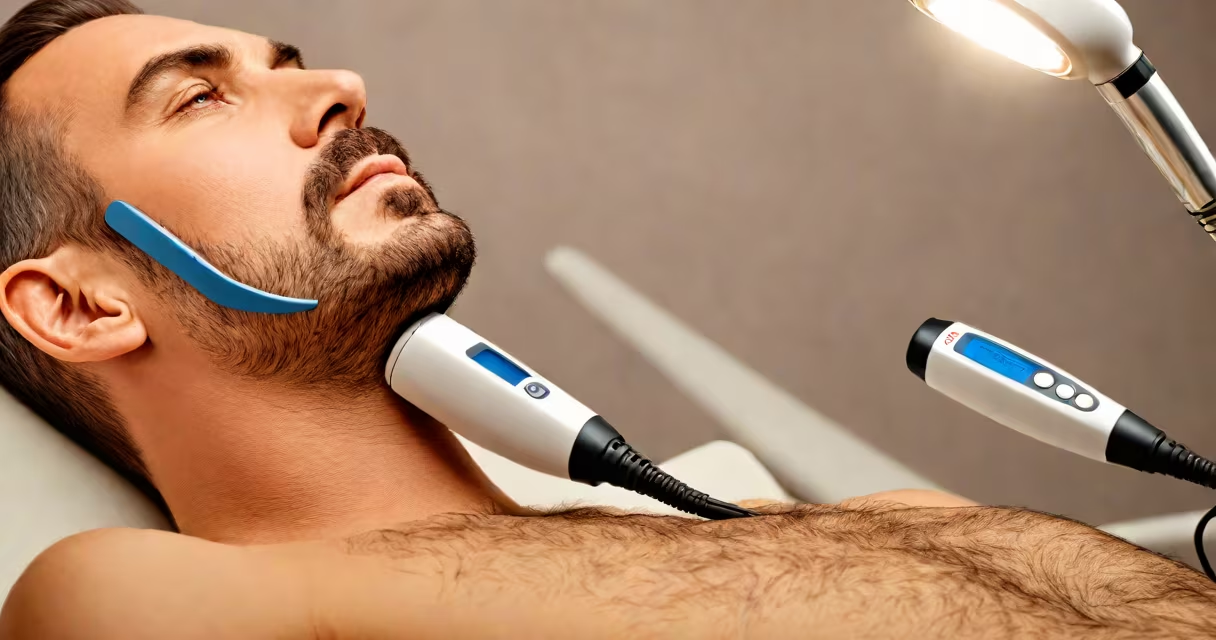
Permanent hair removal is a medical procedure that reduces or eliminates hair growth in treated areas using targeted energy-typically laser or electrical current-resulting in long-term or complete hair loss. Unlike temporary methods such as waxing or shaving, permanent hair removal targets the hair follicle itself, disrupting its ability to regenerate hair.
It works by directing precise energy into the hair follicle during its active growth phase (anagen). Laser systems absorb pigment in the hair shaft, converting light to heat that damages the follicle. Electrolysis uses a fine probe to deliver a small electric current directly into the follicle, destroying its regenerative capacity. Both require multiple sessions spaced weeks apart to catch hairs in their growth cycle.
The American Society for Aesthetic Plastic Surgery (ASAPS) confirms that FDA-cleared lasers and electrolysis devices are effective for permanent hair reduction. According to the American Academy of Dermatology (AAD), patients typically see 70-90% hair reduction after 6-8 sessions. Not all hair is eliminated, but remaining hair is usually finer and lighter.
Laser hair removal uses concentrated beams of light absorbed by melanin-the pigment in hair. Darker hair absorbs more energy, making it more responsive. The laser heats the follicle to around 70°C, damaging the stem cells responsible for hair regeneration. Cooling mechanisms protect the surrounding skin.
Electrolysis treats each hair individually. A sterile probe is inserted into the follicle, and a brief electrical charge disrupts the papilla, the tissue that nourishes the hair. This method works on all hair colors and skin tones because it doesn't rely on pigment. However, it's slower and more labor-intensive than laser.
A 2021 study published in *Dermatologic Surgery* found that 85% of participants receiving six laser sessions reported significant hair reduction at 12 months. Results were most consistent in individuals with dark hair and light skin, though newer lasers like Nd:YAG can safely treat darker skin tones.
Two primary methods exist: laser and electrolysis. Each has distinct applications based on hair color, skin tone, and treatment goals.
| Type | Best For | Session Duration | Number of Sessions | Cost Range (per session) |
|---|---|---|---|---|
| Laser (Alexandrite, Diode, Nd:YAG) | Darker hair, light to medium skin; Nd:YAG for darker skin | 15-45 minutes (depending on area) | 6-8 sessions, 4-6 weeks apart | $200-$500 |
| Electrolysis (Galvanic, Thermolysis, Blend) | All hair colors, all skin tones; fine or light hair | 30-60 minutes (area-dependent) | 10-20+ sessions, weekly or biweekly | $100-$300 |
Laser is faster and better suited for large areas like legs or backs. Electrolysis is ideal for small, sensitive zones like the bikini line, upper lip, or eyebrows. The International Board of Electrology (IBE) certifies practitioners who meet strict standards for safety and technique.
Non-medical home devices-like those from Braun-offer temporary reduction. They're not FDA-approved for permanent results. Using them incorrectly risks burns or hyperpigmentation. Always distinguish between clinical treatments and consumer-grade tools.
Permanent hair removal is most effective on people with dark, coarse hair and fair to medium skin. Light or blonde hair lacks sufficient melanin to absorb laser energy efficiently. Gray or white hair contains no pigment and won't respond to laser.
For individuals with darker skin, older lasers posed risks of burns or discoloration. Modern Nd:YAG lasers operate at longer wavelengths (1064 nm), which penetrate deeper and bypass surface melanin. The AAD notes that these lasers are safe for Fitzpatrick skin types IV-VI when used by trained professionals.
I've personally undergone six diode laser sessions on my lower back. After the third session, hair growth slowed. By session six, only sparse, fine hairs remained. Maintenance sessions every 6-12 months helped sustain results. The process required patience-each session took 30 minutes, and I waited four weeks between treatments.
"Permanent" does not mean "100% hair-free." The term refers to sustained reduction, not total elimination. The FDA defines permanent hair reduction as a 75% decrease in hair count after treatment. Some follicles may remain dormant or reactivate later due to hormonal shifts.
Another myth: "It hurts less than waxing." Pain varies by individual and area. The underarms and bikini line often feel like a rubber band snap. Most clinics offer cooling gel or numbing cream. A 2020 survey in *Journal of Cosmetic Dermatology* showed 68% of users rated discomfort as mild to moderate.
Also, results aren't immediate. Hair sheds 1-3 weeks after each session. Multiple treatments are needed because not all follicles are in the active growth phase at once. Skipping sessions delays progress.
After completing a full course, most people maintain 70-90% hair reduction. Hormonal changes-such as pregnancy, menopause, or thyroid imbalances-can trigger new growth. In one study, 15% of women reported minor regrowth within five years, mostly in hormonally sensitive areas.
Maintenance sessions every 6-12 months help preserve results. Some clinics offer package deals for follow-up treatments. Always choose a licensed provider. The American Society for Laser Medicine and Surgery (ASLMS) maintains a directory of certified practitioners.
Results depend on consistency, timing, and correct settings. Choosing a provider with experience in your skin type prevents complications. A single session with incorrect parameters can cause scarring or pigment changes.
Permanent hair removal is not a quick fix. It requires commitment to a multi-session plan. But for those seeking lasting freedom from shaving or waxing, it offers a proven path to reduced hair growth. Success depends on matching the right technology to your hair and skin profile.
When considering treatment, consult a board-certified dermatologist or licensed electrologist. They'll assess your skin type, hair density, and medical history to recommend the best approach. Permanent hair removal is not for everyone-but for many, it's a practical alternative to daily grooming.