A project about water pollution is a structured investigation into contaminants in water bodies, their sources, ecological effects, and potential mitigation strategies. It combines fieldwork, lab analysis, and policy evaluation to assess risks and propose solutions.
These projects often begin with a hypothesis-such as "urban runoff increases nitrate levels in local streams"-and test it through measurable data. Students, researchers, or community groups collect water samples, measure parameters like pH, turbidity, dissolved oxygen, and detect pollutants such as heavy metals or microplastics. Results are analyzed and presented to inform decisions or raise public awareness.
For example, a high school team in Oregon tested water from three creeks near a highway. They found lead concentrations 3.6 times above EPA safety limits downstream from a storm drain. This led to a proposal for green infrastructure to filter runoff-submitted to city planners and published in a regional science journal.
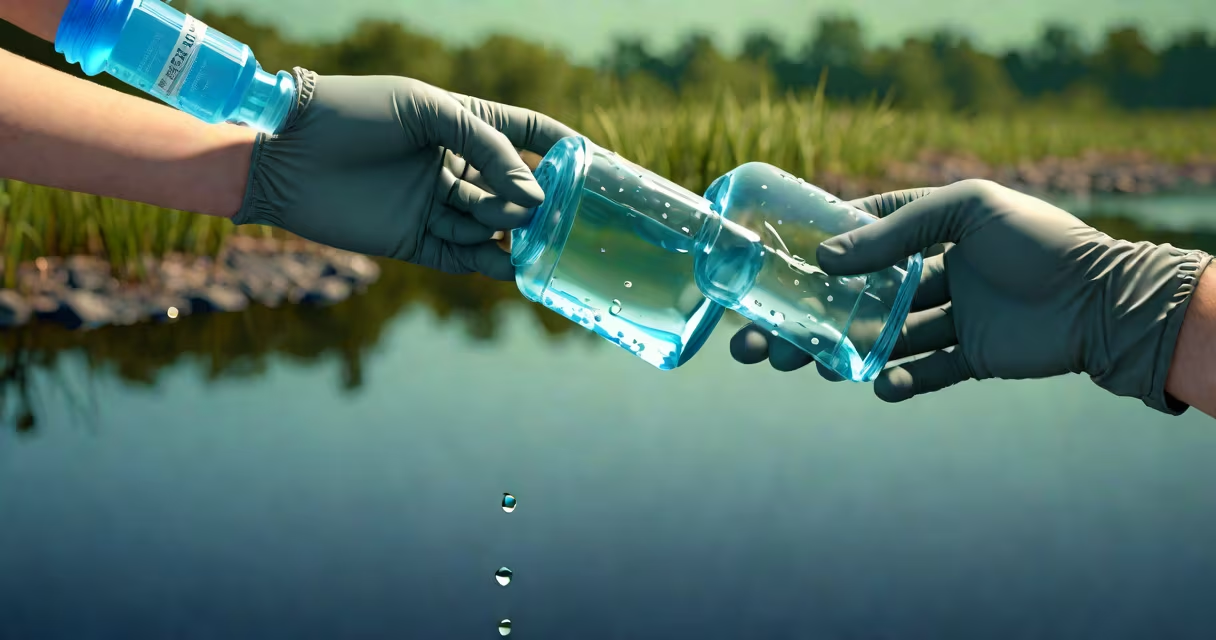
Projects about water pollution follow a scientific method: define a problem, gather data, analyze results, and communicate findings. Field sampling is the first step. A standard protocol uses clean containers, GPS-tagged locations, and immediate refrigeration to preserve sample integrity.
Laboratory tests then identify specific pollutants. For instance, a spectrophotometer measures phosphate levels linked to algal blooms. A portable kit can test for coliform bacteria in under 30 minutes. Data is logged in spreadsheets, visualized with graphs, and compared against baseline values from government databases like the U.S. Environmental Protection Agency's Water Quality Portal.
One team in Texas used a smartphone app to map pollution hotspots based on citizen reports. Their model predicted 78% of illegal dumping sites within 500 meters of known drainage points-information later used by local authorities to increase inspections.
Projects vary by scale, audience, and goal. The table below outlines common categories:
| Type | Focus Area | Typical Methods | Example Outcome |
|---|---|---|---|
| High School Science Fair | Local stream health | Field kits, pH strips, macroinvertebrate counts | Report showing reduced biodiversity near industrial zones |
| University Research | Microplastic accumulation in marine food chains | Centrifugation, FTIR spectroscopy | Peer-reviewed paper linking fish tissue microplastics to human consumption risk |
| Community Action Initiative | Public awareness and policy change | Surveys, social media campaigns, town hall meetings | City council vote to ban single-use plastics in downtown areas |
Some projects focus on emerging threats. One group in Florida studied cyanobacteria blooms in freshwater lakes, identifying agricultural fertilizer runoff as the primary trigger. They modeled seasonal changes using satellite imagery and climate data, projecting a 40% increase in bloom frequency by 2035 if current practices continue.
Not all water quality issues stem from industrial discharge. Agricultural runoff-especially nitrogen and phosphorus from fertilizers-is responsible for over 70% of nutrient pollution in U.S. rivers, according to the EPA. Many assume sewage is the top culprit, but in rural areas, livestock waste is more prevalent.
Another misconception: water pollution only affects aquatic life. In reality, contaminated drinking water causes 1.8 million deaths annually worldwide, per WHO data. A project in Bangladesh found arsenic levels in well water exceeded safe limits in 20% of tested wells-leading to long-term health impacts including skin lesions and cancer.
Also, not every project requires advanced equipment. A basic project can use low-cost sensors from organizations like Public Lab. One student in Colorado built a DIY turbidity sensor using an LED and photodiode. The device cost $12 and detected sediment levels within 15% accuracy of lab-grade instruments.
Consider a middle school project on urban water pollution. The team selects a local creek near a shopping center. They hypothesize that storm drains carry higher pollutant loads than upstream sections.
Steps:
The team presents findings at a school science night. They recommend installing catch basins and signage to discourage littering. Their report includes photos, data tables, and a call to action: "Clean water starts with one decision."
I conducted a similar project during my junior year. We tested a creek near a former landfill. Our initial readings showed elevated chromium levels. After verifying with a certified lab, we confirmed contamination from leachate. The data was shared with state environmental officials, who added the site to a remediation list.
After completing a project about water pollution, consider sharing results through formal channels. Presentations at science fairs, submissions to journals like *Environmental Science & Technology*, or advocacy efforts can amplify impact.
Understanding the global scale of water pollution provides context for local findings. The World Bank estimates that water pollution costs economies $260 billion annually in lost productivity and healthcare expenses.
Every project about water pollution begins with a question. What's in the water? Where did it come from? Who is affected? Answering these drives meaningful inquiry and lasting change.