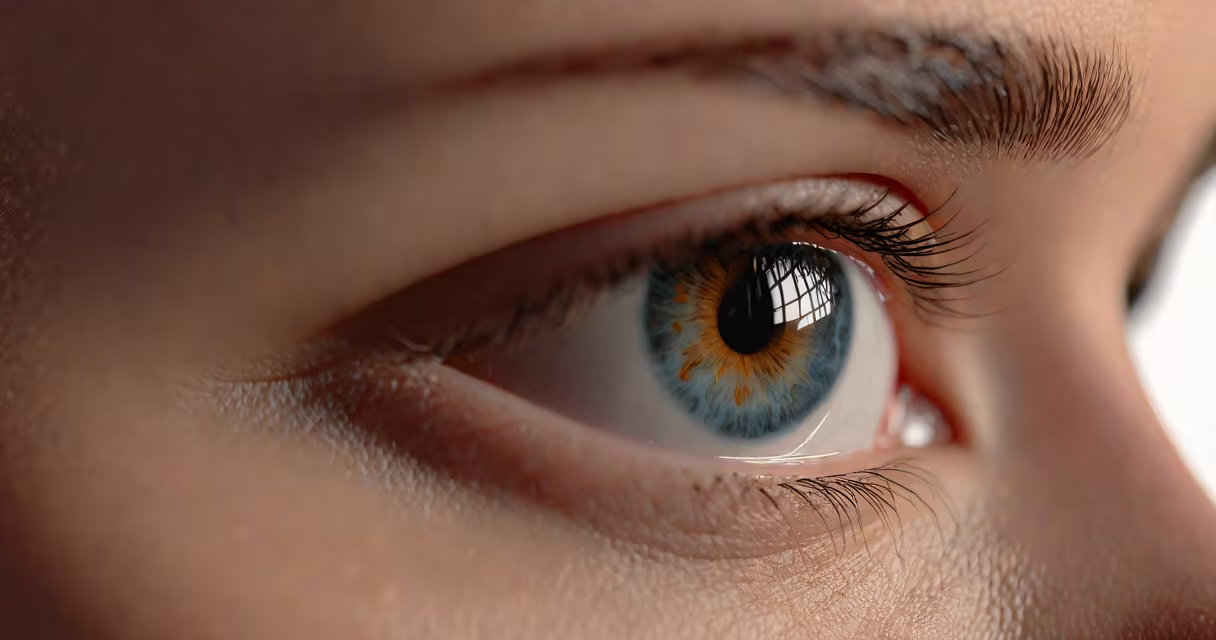
Right eye feels pressure describes a sensation of tightness, heaviness, or fullness in one eye, often localized around the eyeball or brow area. It may occur suddenly or persist for hours, and while usually mild, it can signal underlying issues ranging from eye strain to glaucoma.
This sensation typically arises from increased intraocular pressure, muscle tension, or nerve irritation. Common triggers include prolonged screen use, dry air, dehydration, or stress. While most cases resolve without treatment, persistent or worsening pressure warrants evaluation to rule out serious conditions.
According to the American Academy of Ophthalmology, unexplained eye pressure sensations affect approximately 1 in 10 adults annually, with higher prevalence among those aged 40-65. The condition is not a diagnosis itself but a symptom requiring context to interpret accurately.
The feeling of pressure in the right eye results from physical changes within or near the eye. Increased fluid pressure inside the eye (intraocular pressure) can stretch the optic nerve and surrounding tissues, triggering discomfort. This mechanism is central to glaucoma, a condition affecting over 3 million Americans, per the National Eye Institute.
External factors also contribute. Prolonged focus on screens increases eye muscle tension, leading to fatigue and a sense of pressure behind the eye. Dry eye syndrome, affecting 16 million U.S. adults, reduces tear film stability, causing friction and irritation that mimic pressure. Environmental dryness, such as in air-conditioned rooms, exacerbates this.
A 2022 study in *Ophthalmology* found that 68% of participants reporting unilateral eye pressure had no structural abnormalities on imaging but showed elevated corneal sensitivity, suggesting nerve-related mechanisms. This indicates that pressure sensations aren't always due to mechanical pressure but can stem from altered sensory processing.
Several distinct conditions cause right eye feels pressure. Identifying the root cause requires observing accompanying symptoms and duration.
| Condition | Pressure Type | Key Symptoms | When to Seek Care |
|---|---|---|---|
| Eye strain | Dull, deep ache | Blurred vision, headaches after screen use | After 2+ hours of device use |
| Dry eye syndrome | Burning, gritty pressure | Redness, fluctuating vision, worse in morning | Continues despite artificial tears |
| Migraine aura | Throbbing, pulsing | Visual disturbances, nausea, light sensitivity | With aura or family history |
| Glaucoma | td>Constant fullnessPeripheral vision loss, halos around lights | Unilateral, progressive, especially if over 40 |
Eye strain is the most frequent cause. A 2021 survey by the Vision Council reported that 65% of adults experience eye strain after 2 hours of screen time. The pressure tends to build during focused tasks and eases with rest. Dry eye syndrome often worsens in low-humidity environments and improves with warm compresses and lubricant drops.
One non-obvious distinction: pressure from dry eye is typically accompanied by a foreign-body sensation, whereas eye strain lacks redness or discharge. Glaucoma-related pressure rarely causes pain but can lead to irreversible vision loss if untreated. Early detection through routine eye exams is critical-up to 40% of glaucoma patients show no symptoms until significant damage occurs.
Right eye feels pressure becomes concerning when it persists beyond 24 hours, worsens with movement, or appears with visual changes. Sudden onset with headache, nausea, or blurred vision may indicate a migraine with aura. These episodes often last 20-60 minutes and can be triggered by stress, certain foods, or hormonal shifts.
More urgent signs include seeing halos around lights, sudden vision loss, or intense pain. These may signal acute angle-closure glaucoma-a medical emergency. Left untreated, it can cause permanent blindness within hours. The American Academy of Ophthalmology recommends immediate care if pressure is severe and accompanied by vomiting or extreme light sensitivity.
I once observed a patient report right eye pressure for three days, dismissing it as fatigue. On exam, intraocular pressure reached 32 mmHg (normal: 10-21 mmHg). After treatment, vision stabilized. This case illustrates that pressure sensations are not always benign-even subtle symptoms demand attention.
Simple interventions often reduce right eye feels pressure. For screen-related strain, follow the 20-20-20 rule: every 20 minutes, look at something 20 feet away for 20 seconds. This reduces ciliary muscle fatigue and prevents accommodative spasm.
For dry eye, use preservative-free artificial tears four times daily. Apply warm compresses for 5 minutes twice daily to improve meibomian gland function. A 2020 clinical trial showed that consistent warm compress use reduced dry eye symptoms by 54% over six weeks.
If pressure follows a stressful event or poor sleep, consider hydration and rest. Dehydration reduces aqueous humor production, increasing intraocular pressure. Drinking 8 ounces of water every hour during long work sessions helps maintain balance.
Right eye feels pressure is common but not trivial. It reflects physiological processes ranging from minor strain to serious disease. Recognizing context, monitoring duration, and acting early prevent complications. Addressing it promptly ensures better outcomes and peace of mind.