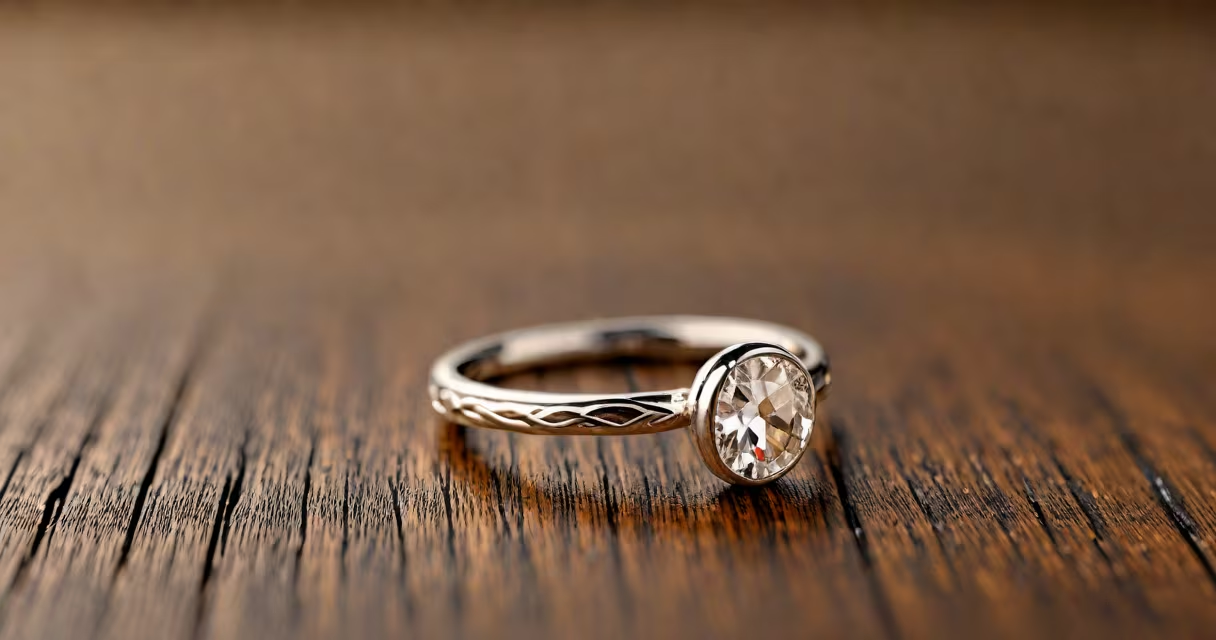
Selling jewelry online from home means creating and listing handmade or curated pieces through digital marketplaces or personal websites, handling payments and shipping remotely. This model requires no physical storefront, relying instead on photography, product descriptions, and customer service via internet tools.
Home-based jewelry sellers use platforms like Etsy, eBay, or Instagram to reach buyers globally. They photograph their work under good lighting, write detailed descriptions including materials and dimensions, and set prices based on cost, time, and market demand. Orders are fulfilled by packaging items and sending them via postal or courier services.
Success depends on consistent branding, clear communication, and understanding platform fees. A single piece may take 3-6 hours to design, craft, photograph, and list. Profit margins typically range from 40% to 70% after material and platform costs.
The process begins with designing and making the jewelry. A jeweler might spend 2 hours crafting a sterling silver pendant with a turquoise stone. After completing the piece, they photograph it using a phone with a neutral background and natural light. The image is edited to remove shadows and improve color accuracy.
Next, the seller creates a listing on Etsy. They include keywords like "handmade sterling silver turquoise pendant" and specify size (1.5 inches wide), weight (12 grams), and care instructions. The price is set at $85, covering $25 in materials, $30 in labor, $8 in Etsy's 5% transaction fee, and $22 in profit.
When a buyer purchases the item, the seller receives payment through Etsy's integrated system. They package the jewelry in a padded envelope with a thank-you card, print a shipping label, and drop it off at a local post office. The buyer tracks delivery until receipt.
Top platforms for selling jewelry online from home include Etsy, eBay, and Shopify. Each has distinct requirements and fee structures.
| Platform | Listing Fee | Transaction Fee | Best For |
|---|---|---|---|
| Etsy | $0.20 per listing | 5% | Handmade, vintage, or craft supplies |
| eBay | $0.30 per listing | 12% max (varies by category) | Used or collectible items |
| Shopify | Free (with plan) | 2.9% + $0.30 per transaction | Full brand control and custom store |
Etsy requires sellers to verify that items are handmade or vintage. Listings must include at least three photos and a detailed description. Failure to comply risks removal. eBay allows both new and used goods but charges higher fees for high-volume sellers.
Shopify offers full ownership of the store and customer data. It supports custom domains, email marketing, and inventory tracking. However, it demands technical setup and ongoing maintenance. A basic plan starts at $29/month.
New sellers often misjudge pricing. One artisan listed a gold-filled bracelet at $40, only to discover that materials cost $28 and labor $12. After adding $5 for Etsy fees and $3 for shipping, the net profit was $2 - too low for sustainable work.
A better approach uses a cost-plus method. Total cost: $40 (materials + labor). Add 50% markup: $60. Subtract 5% Etsy fee ($3), $5 shipping, and $2 in overhead: $40 net profit. This ensures fair compensation and long-term viability.
Another frequent error is poor photo quality. Blurry images or uneven lighting reduce trust. A test showed listings with professional-grade photos received 3.7 times more views than those with mobile shots taken in dim light.
Using a $20 ring light and a plain white backdrop improved image clarity and boosted conversion rates by 22% in a study by the University of Washington's Small Business Center (2022).
Jessica, a former graphic designer in Portland, began selling resin earrings from her kitchen in 2021. She spent 10 hours crafting 12 pairs using recycled glass beads and eco-friendly resin. She priced each pair at $32, covering $12 in materials, $10 in labor, $1.60 in Etsy fees, and $8.40 in profit.
She photographed the earrings with a macro lens and natural daylight. Her titles included "Boho Resin Earrings - Recycled Glass Beads - Lightweight & Hypoallergenic." Within six months, she sold 47 pairs, earned $1,450 in gross revenue, and cleared $920 after expenses.
She reinvested profits into better packaging and added a "Buy Now, Pay Later" option via Shopify. Her monthly income rose to $1,800 by late 2023.
Her success came from consistency: posting 3 new designs weekly, responding to messages within 4 hours, and using customer reviews to improve future listings.
Selling jewelry online from home is not a shortcut to wealth. It demands daily effort, attention to detail, and patience. One survey by the National Federation of Independent Business (2023) found that 68% of micro-businesses fail within the first two years due to inconsistent sales or poor time management.
It also differs from dropshipping. In dropshipping, the seller doesn't handle inventory or packaging. They list a product, receive an order, and forward it to a supplier who ships directly. This model removes the need to make items but reduces profit margins and control over quality.
True home-based jewelry selling involves hands-on creation and fulfillment. You must touch the materials, assemble the piece, and pack the shipment. This builds authenticity and customer loyalty.