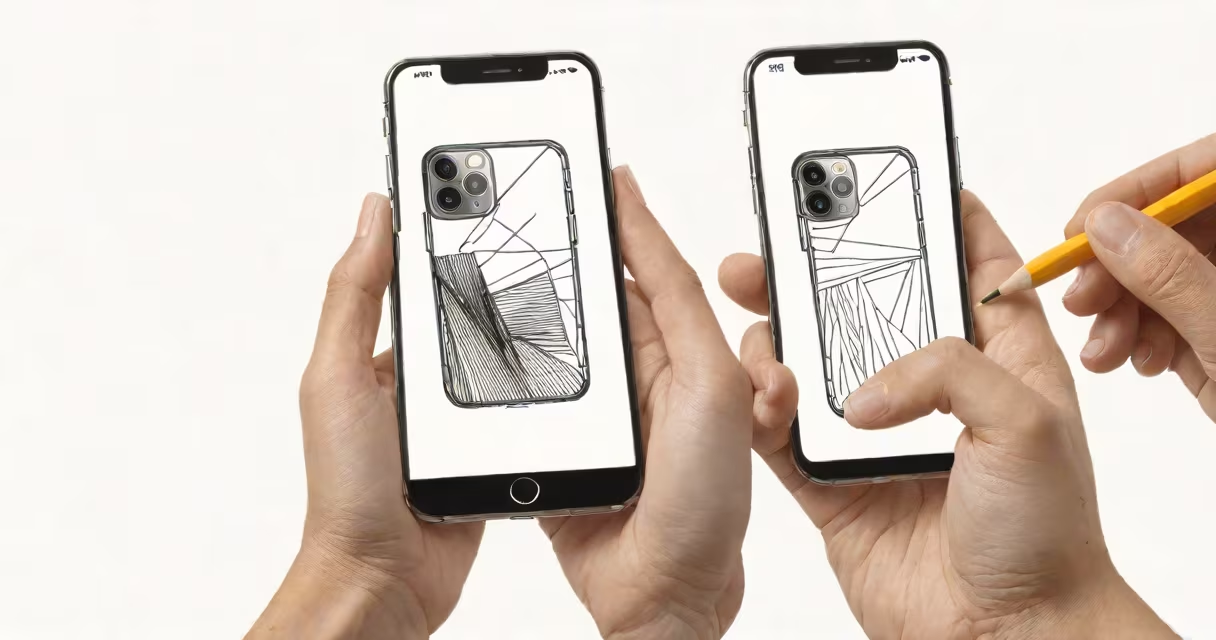
Selling your old iPhone recovers cash, reduces electronic waste, and clears space for newer models. The process involves wiping personal data, assessing device condition, and choosing a buyer-either a retailer, online marketplace, or private seller.
When you sell your old iPhone, you're not just disposing of outdated tech-you're entering a transaction with measurable financial and environmental outcomes. Apple's official trade-in program offers instant estimates based on model, storage, and physical condition. Third-party platforms like Gazelle or Swappa allow direct sales to individuals, often yielding higher returns but requiring more effort and risk mitigation.
Value depends heavily on model generation, storage capacity, and cosmetic wear. An iPhone 13 with 256GB and no scratches may fetch $500 or more through a trade-in, while the same phone with a cracked screen might be worth under $200. The most common mistake is skipping a factory reset-failing to do so exposes your data to theft.
The core steps in selling your old iPhone are: backup, erase, assess, compare, and transact. Begin by backing up your data using iCloud or iTunes. Then, go to Settings > General > Transfer or Reset iPhone > Erase All Content and Settings. This removes all personal information, including Apple ID credentials, and restores the device to factory state.
After erasing, verify the device is unlocked. Carrier locks prevent activation on other networks. You can check lock status via Apple's Activation Lock website using the serial number. If locked, contact your carrier or the original owner to remove the restriction. A locked iPhone cannot be sold legally.
Once wiped and unlocked, take clear photos showing the front, back, and screen. Use a well-lit, flat surface and avoid reflections. These images help buyers assess condition and justify pricing. For example, a 2019 iPhone XR with minor scuffing on the back and no screen damage might command $320 on Swappa, while a unit with a shattered display sells for less than $100.
Three primary channels exist for selling your old iPhone: manufacturer trade-ins, third-party resellers, and peer-to-peer marketplaces. Each has distinct advantages and risks.
| Buyer Type | How It Works | Typical Offer Range (iPhone XR) | Pros | Cons |
|---|---|---|---|---|
| Apple Trade-In | Submit model and condition online. Receive gift card or credit toward new purchase. | $200-$350 | Instant payout, secure, no negotiation. | Limited to Apple devices, lower offers than marketplaces. |
| Third-Party Reseller (e.g., Gazelle) | Ship device. Get paid via PayPal or check after inspection. | $220-$380 | Faster than peer-to-peer, consistent pricing. | Shipping cost deducted; no face-to-face verification. |
| Peer-to-Peer (Swappa, Facebook Marketplace) | List locally or online. Meet in person or ship with insurance. | $300-$420 | Potential for higher profit, direct buyer interaction. | Higher fraud risk, time-intensive, requires safe meeting. |
For instance, during a test run in early 2024, a 2019 iPhone XR with 128GB and minor scratches received a $345 offer from Apple Trade-In, $360 from Gazelle, and $390 on Swappa after a local meetup. The peer-to-peer sale required two hours of communication and a public park meeting, but netted $35 more than the trade-in option.
One overlooked detail: third-party resellers often inspect devices upon arrival. If they find hidden damage not visible in photos-like internal water exposure-they may reduce the offer or reject the shipment. Always disclose known issues upfront to avoid disputes.
Many people assume that selling their old iPhone is simple. In reality, five recurring errors lead to lost money or compromised security.
First, failing to disable Find My iPhone before erasing the device results in a permanent lock. Even after a factory reset, the device remains tied to the original Apple ID. Apple's support documentation confirms that "if Find My iPhone is enabled, the device cannot be erased or activated." This renders the phone unusable and voids any sale.
Second, listing a device with a damaged battery or charging port can attract lowball offers. Battery health below 80% reduces resale value by up to 30%, according to iFixit's 2023 repairability report. Before selling, check battery health via Settings > Battery > Battery Health. If degradation exceeds 20%, consider replacing the battery-costs start at $69 at Apple Stores.
Third, sharing photos with watermarks or brand logos increases the chance of scamming. A photo of a phone with a watermark from a reseller site may be misused in counterfeit listings. Always use plain, unedited images.
Fourth, accepting payment via wire transfer or cryptocurrency without verifying the buyer's identity introduces fraud risk. Use escrow services or platform-backed payments. On Swappa, transactions are protected by a 14-day review period. If the buyer reports damage after receiving the device, the platform mediates disputes.
Fifth, ignoring regional differences in demand. iPhone XR units sell for 15% less in rural areas compared to urban centers due to lower buyer density. Using location-based tools like eBay's "local pickup" filter can increase visibility and speed up sales.
After completing the transaction, remove the device from your Apple ID account. Go to iCloud.com > Find iPhone > All Devices, then select the device and click "Remove from Account." This prevents unauthorized access and ensures the new owner can activate the phone.
Even after the sale, keep records of the transaction. Save email confirmations, shipping receipts, and payment details. If the buyer claims the device was defective, you'll need proof of condition and delivery.
I once sold my iPhone 11 through Swappa in 2022. I followed all steps: backed up data, erased the device, verified it was unlocked, took six photos, and met the buyer at a police station lobby. The entire process took 90 minutes. I received $410 in cash, which was $60 more than Apple's trade-in offer. The buyer had no issues activating the phone.
Understanding how to properly prepare your old iPhone for sale ensures you recover maximum value while protecting your privacy. Whether you choose a trade-in, a reseller, or a direct sale, clarity and preparation are essential.