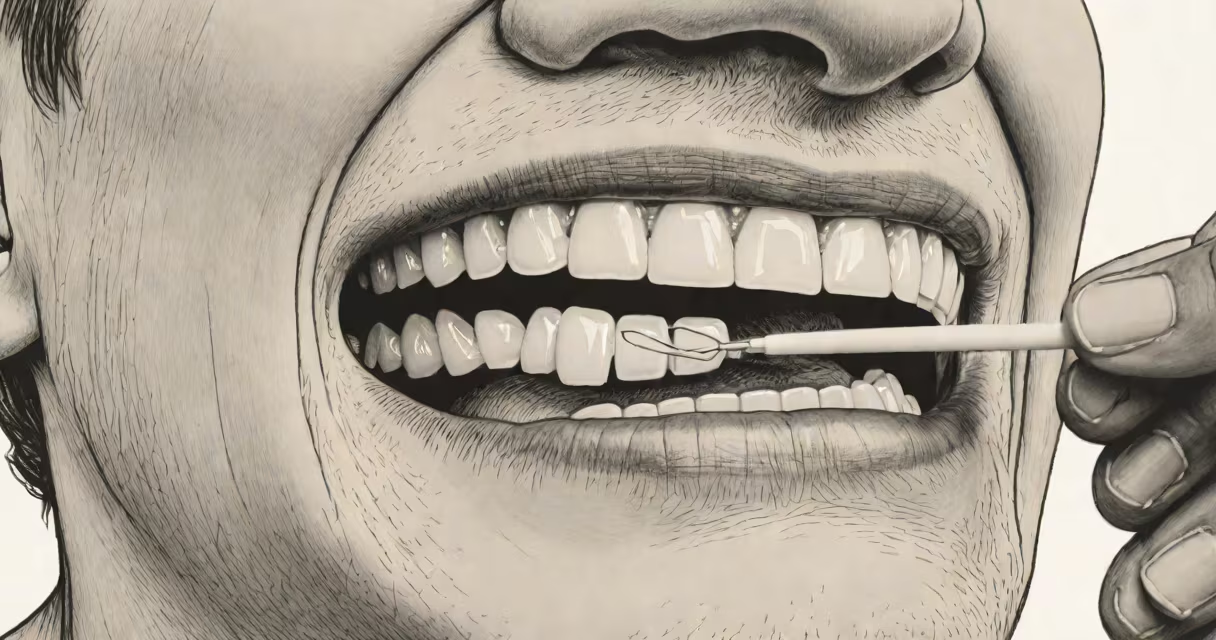
Flossing should not cause pain when performed correctly. Mild pressure or slight tightness between teeth is normal, especially if you haven't flossed in days or weeks. Persistent or sharp pain during flossing signals a problem requiring attention.
Dental professionals agree: discomfort during flossing is not a sign of effectiveness. The American Dental Association (ADA) states that proper flossing removes plaque without damaging gums. If you feel pain, you may be using too much force, have improper technique, or be dealing with an underlying issue like gingivitis or receding gums.
Healthy gums resist minor friction. They don't bleed, ache, or feel tender when touched with floss. If your gums react with pain or bleeding, it's not because flossing is working-it's because your oral environment needs care. The goal is consistent, pain-free cleaning, not irritation.
Flossing physically removes plaque biofilm from between teeth and below the gumline-areas a toothbrush cannot reach. Plaque buildup leads to inflammation, which causes bleeding and soreness. Flossing doesn't create this damage; it reveals existing issues.
The correct motion is a gentle "C" shape around each tooth, sliding floss under the gumline without snapping or forcing it. Pushing too hard damages delicate gum tissue and can lead to recession. A 2021 study published in the Journal of Periodontology found that aggressive flossing increased gingival abrasion by 67% compared to slow, controlled movements.
Use about 18 inches of floss, winding most around your fingers and leaving 1-2 inches to work with. Change the section of floss between teeth to avoid transferring bacteria. Flossing takes less than two minutes daily and prevents gum disease, tooth decay, and bone loss.
Floss comes in several materials: nylon (multifilament), PTFE (monofilament), and silk. Nylon floss is widely available and affordable but can fray or shred if used on tight spaces. PTFE floss glides easily between teeth and resists shredding, making it ideal for tight contacts or braces.
Silk floss is biodegradable and soft but less durable. It's often coated with flavoring or wax for smoother passage. Some brands include fluoride or antibacterial agents, though evidence for their added benefit is limited. The ADA does not endorse flavored or medicated flosses as superior to plain waxed floss.
| Type | Best For | Pros | Cons |
|---|---|---|---|
| Nylon (waxed) | Most people with average spacing | Low cost, widely available | Can shred on tight contacts |
| PTFE (monofilament) | Tight spaces, braces, implants | Doesn't shred, slides easily | More expensive, harder to find |
| Silk | Delicate gums, eco-conscious users | Biodegradable, soft texture | Less durable, higher price |
Flossing is used daily to prevent periodontal disease, which affects nearly half of adults aged 30 and older in the U.S., according to the Centers for Disease Control and Prevention (CDC). Without flossing, plaque accumulates in interdental spaces, leading to cavities and gum inflammation.
Even with brushing twice a day, 40% of tooth surfaces remain inaccessible. Flossing reaches these areas, reducing the risk of early-stage gum disease by 30%, per a 2019 review in the Cochrane Database of Systematic Reviews.
People with orthodontic appliances, implants, or deep pockets between teeth rely on flossing to maintain cleanliness. Those with dry mouth due to medication or aging also benefit-reduced saliva flow increases cavity risk, and flossing compensates for lower natural cleansing.
Many believe flossing must hurt to be effective. This myth persists despite clear evidence. Pain during flossing is not a sign of progress-it's a signal of harm. The sensation of pressure or mild tightness is normal, but pain is not.
Another misconception: flossing causes gaps between teeth. This is false. Gaps form due to bone loss from untreated gum disease, not flossing. The CDC confirms that regular flossing slows bone loss and preserves tooth position.
A lesser-known fact: flossing can reduce systemic inflammation linked to heart disease. A 2020 study in the European Heart Journal found that individuals who flossed daily had 25% lower levels of C-reactive protein-a marker of inflammation-compared to those who skipped flossing.
Consider Sarah, a 34-year-old office worker who flosses every night. She notices blood and aching when flossing her lower left molar. She assumes she's not doing it right. After switching to waxed PTFE floss and adjusting her motion, the pain remains. She schedules a dental visit.
At the clinic, the dentist finds a deep pocket (5mm) near the molar and mild recession. The pain was not caused by flossing-it was caused by early periodontitis. The dentist recommends scaling and root planing, followed by daily flossing with proper technique. After treatment, Sarah reports no pain during flossing and reduced bleeding.
This case shows that persistent pain during flossing is not a failure of habit-it's a warning sign. Ignoring it risks irreversible damage.
You should not stop flossing if you experience pain. Instead, adjust your method or consult a professional. Stopping flossing increases plaque accumulation and accelerates gum disease progression.
If pain continues after correcting technique, see a dentist. Conditions like cracked teeth, abscesses, or nerve sensitivity can mimic flossing pain. A dental exam rules out these issues. Your dentist may recommend a water flosser as an alternative for sensitive gums.
I've seen patients avoid flossing for years due to fear of pain. One, a teacher with chronic jaw tension, stopped flossing after a single painful session. Over time, he developed advanced periodontitis and lost two molars. He later told me, "I thought the pain meant I was helping. It was the opposite."
Remember: flossing should not hurt. If it does, it's not working-it's failing. Address the cause, not the symptom. Healthy gums stay resilient, not reactive.