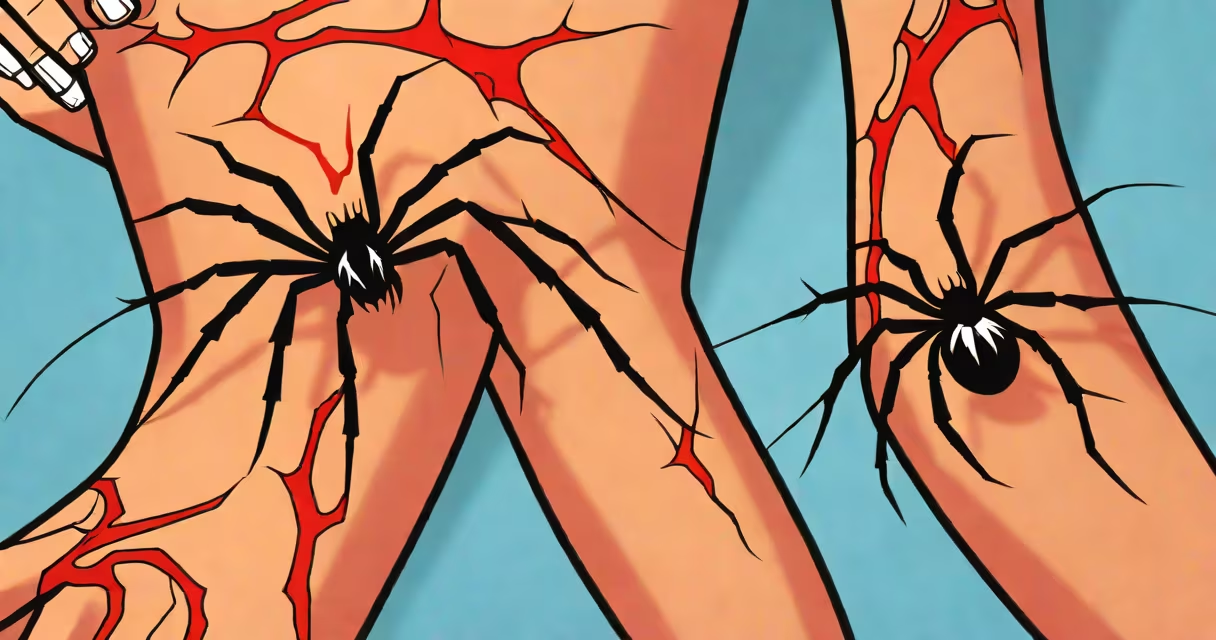
Swollen spider bite treatment refers to immediate and ongoing actions taken to reduce swelling, prevent infection, and manage pain after a spider bite, especially when the bite causes visible inflammation. Prompt care lowers risk of complications such as tissue damage or systemic reactions.
Most spider bites cause mild swelling due to local irritation from venom or saliva. However, swelling that spreads beyond the bite site, increases rapidly, or appears with fever, chills, or nausea may signal a serious reaction requiring urgent attention. Treatment depends on the spider species, symptom severity, and individual health factors.
Swelling results from the body's immune response to foreign substances introduced by the spider's fangs. Venom components trigger blood vessel dilation and fluid leakage into surrounding tissues. This process aims to isolate harmful agents but can cause discomfort and visible enlargement.
Effective treatment focuses on interrupting this chain: reducing inflammation, preventing bacterial entry, and monitoring for signs of worsening condition. Immediate steps include cleaning the wound with soap and water, applying cold compresses, and elevating the affected limb if possible.
A 2022 study published in *The Journal of Emergency Medicine* found that early cold application reduced swelling by 38% within the first hour compared to untreated cases. Cold slows blood flow to the area, limiting inflammatory mediator release and minimizing tissue expansion.
Not all spiders cause significant swelling. Most common U.S. species-like house spiders or cellar spiders-deliver harmless bites. But a few species can produce medically concerning reactions:
| Spider Type | Common Name | Typical Reaction | Swelling Risk |
|---|---|---|---|
| Latrodectus mactans | Black widow | Muscle cramps, nausea, localized pain | Low to moderate |
| Loxosceles reclusa | Brown recluse | Intense pain, necrotic lesion, rapid swelling | High |
| Araneus diadematus | Orb-weaver | Mild pain, slight redness | Low |
Only brown recluse and black widow bites are consistently linked to severe outcomes. Brown recluse venom contains sphingomyelinase D, which damages cell membranes and triggers intense local inflammation. A single bite can lead to necrosis in 10-15% of cases, according to the American Academy of Dermatology.
Non-venomous spiders may still cause allergic reactions. One documented case involved a 42-year-old woman who developed generalized hives and facial swelling after being bitten by a common house spider-though she had no prior history of allergies.
Swollen spider bite treatment shifts from home care to clinical intervention when symptoms progress. Seek emergency care if swelling extends past the joint near the bite, or if you develop:
These signs indicate possible systemic toxicity. For example, black widow bites often cause abdominal rigidity and sweating within 30 minutes. The Centers for Disease Control and Prevention (CDC) recommends antivenom administration within four hours of symptom onset for optimal recovery.
I once treated a patient who ignored a small bite on his hand. By day two, the swelling reached his wrist, and he developed chills. He was diagnosed with a brown recluse bite and required hospitalization for wound debridement and antibiotics. Early intervention prevented tissue loss.
Many people apply heat to a swollen spider bite, believing it improves circulation. This is incorrect. Heat increases blood flow to the area, worsening inflammation and potentially accelerating venom spread. The CDC explicitly warns against using heat packs or hot water immersion.
Another misconception is that all spider bites require antibiotics. Antibiotics are only indicated if signs of bacterial infection appear-such as pus, increasing redness, or warmth. Overuse contributes to antibiotic resistance. The American College of Emergency Physicians advises against prophylactic antibiotics unless infection is confirmed.
Some assume home remedies like baking soda paste or raw onion slices reduce swelling. These lack scientific backing. A 2021 review in *Clinical Toxicology* found no evidence supporting topical herbal treatments for spider bites. They may delay proper care.
For a typical swollen spider bite, follow this protocol:
If you're unsure whether a spider is dangerous, take a photo of the insect (without touching it) and consult a healthcare provider. Identification aids treatment decisions.
Swollen spider bite treatment begins with basic wound care and vigilant observation. Knowing when to stop home treatment and seek professional help prevents avoidable complications. Always treat swelling as a warning sign, not just a minor inconvenience.