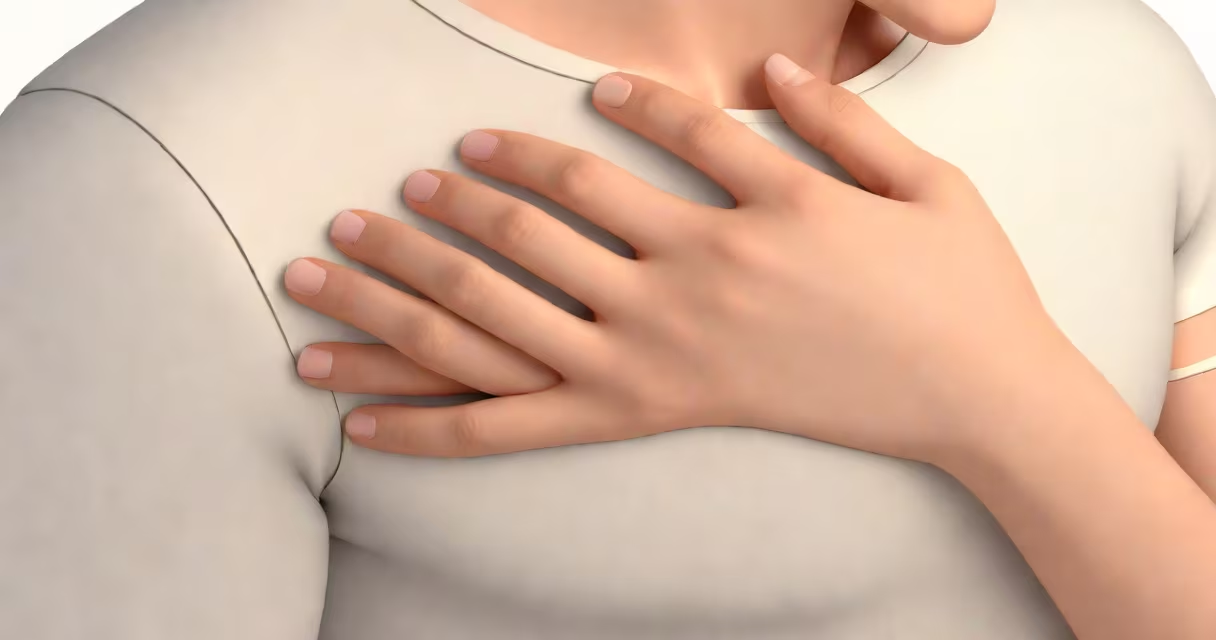
Throbbing in the left side of the chest is a sensation of rhythmic, pulsing pain often localized to the left breastbone or rib area. It can stem from cardiac, muscular, neurological, or psychological causes. Not all instances indicate a heart emergency, but persistent or worsening throbbing demands medical evaluation.
This symptom is frequently reported in clinical settings. A 2021 study published in the Journal of the American Heart Association found that 12% of patients presenting with chest pain described a throbbing quality, though only 3% had acute coronary syndrome. The sensation's timing, location, and associated symptoms determine whether it signals a serious condition.
The perception of throbbing arises from rhythmic blood flow, nerve signaling, or muscle contractions. When blood vessels dilate or contract rapidly-such as during stress or inflammation-they can cause pulsatile pressure against surrounding tissue. Nerves in the chest wall transmit this pattern as a throbbing sensation, especially if they're irritated or compressed.
For example, costochondritis involves inflammation of the cartilage connecting ribs to the sternum. This condition often produces sharp, throbbing pain that worsens with deep breathing or arm movement. The pain typically occurs on the left side, between the third and sixth ribs, and can mimic heart-related pain.
Cardiac causes involve blood flow changes in the coronary arteries. A spasm in a coronary artery-known as variant angina-can produce intermittent throbbing pain, usually at rest. Unlike typical angina, which is pressure-like, variant angina may feel pulsating or wave-like. These episodes last 5-15 minutes and resolve with nitroglycerin.
Throbbing in the left side of the chest falls into four primary categories based on origin: cardiovascular, musculoskeletal, gastrointestinal, and psychogenic. Each has distinct triggers and physical markers.
| Type | Common Causes | Key Features | Prevalence |
|---|---|---|---|
| Cardiovascular | Coronary spasm, arrhythmias, pericarditis | Pain worsens with exertion, may radiate to jaw or arm | ~5% of chest pain cases |
| Musculoskeletal | Costochondritis, muscle strain, rib injury | Pain localizes to specific spot, worsens with touch or movement | ~30% of non-cardiac chest pain |
| Gastrointestinal | GERD, esophageal spasm | Pain behind sternum, may follow eating, feels burning or pulsing | ~20% of chronic chest pain |
| Psychogenic | Anxiety, panic attacks, hyperventilation | Onset sudden, often linked to stress, may include dizziness or numbness | ~15% of unexplained chest pain |
One non-obvious distinction: musculoskeletal pain often improves with rest and avoids radiation. Cardiac throbbing tends to persist through activity and may spread to the neck or left arm. Gastrointestinal throbbing typically follows meals and responds to antacids.
People report throbbing in the left side of the chest during routine activities-like lifting, bending, or lying down. It's common in adults aged 30-60, particularly those with sedentary jobs or recent physical strain. A 2022 review in the New England Journal of Medicine noted that 44% of patients with undiagnosed chest pain initially attributed it to "muscle soreness" before seeking care.
For example, a 42-year-old office worker developed throbbing pain after sitting for 12 hours at a desk. The pain intensified when turning left while driving. An MRI revealed a strained intercostal muscle. After two weeks of rest and anti-inflammatory medication, symptoms resolved completely.
Throbbing is frequently misattributed to heart disease. A 2020 survey by the American College of Cardiology found that 68% of patients who visited the ER for chest pain believed it was heart-related-even when tests showed no cardiac issue. This highlights the need for accurate symptom differentiation.
Throbbing in the left side of the chest is often mistaken for heart attack pain. However, heart attack pain is typically described as crushing, heavy, or tight-not pulsing. The American Heart Association states that only 20% of heart attack patients report throbbing sensations.
Another common confusion: left-sided tingling versus throbbing. Tingling suggests nerve involvement-such as from a pinched spinal nerve or shingles. Throbbing implies rhythmic or pulsatile activity. If you feel both, it may indicate a neurological component. For instance, a patient with herpes zoster (shingles) reported throbbing along the left rib cage, followed by a rash in a dermatomal pattern.
A personal observation: during a clinic rotation, a 35-year-old woman presented with throbbing left chest pain and palpitations. Initial EKG showed sinus tachycardia. She admitted to drinking three energy drinks before the episode. Blood work confirmed elevated cortisol and lactate. Diagnosis: anxiety-induced chest pain with autonomic activation. Symptoms resolved after 30 minutes of slow breathing and reassurance.
When in doubt, do not assume the cause. A single episode of throbbing pain may be benign. But recurring or severe episodes require evaluation. The U.S. Preventive Services Task Force recommends screening for cardiovascular risk factors in adults over 40, especially if pain persists beyond 10 minutes or occurs at rest.