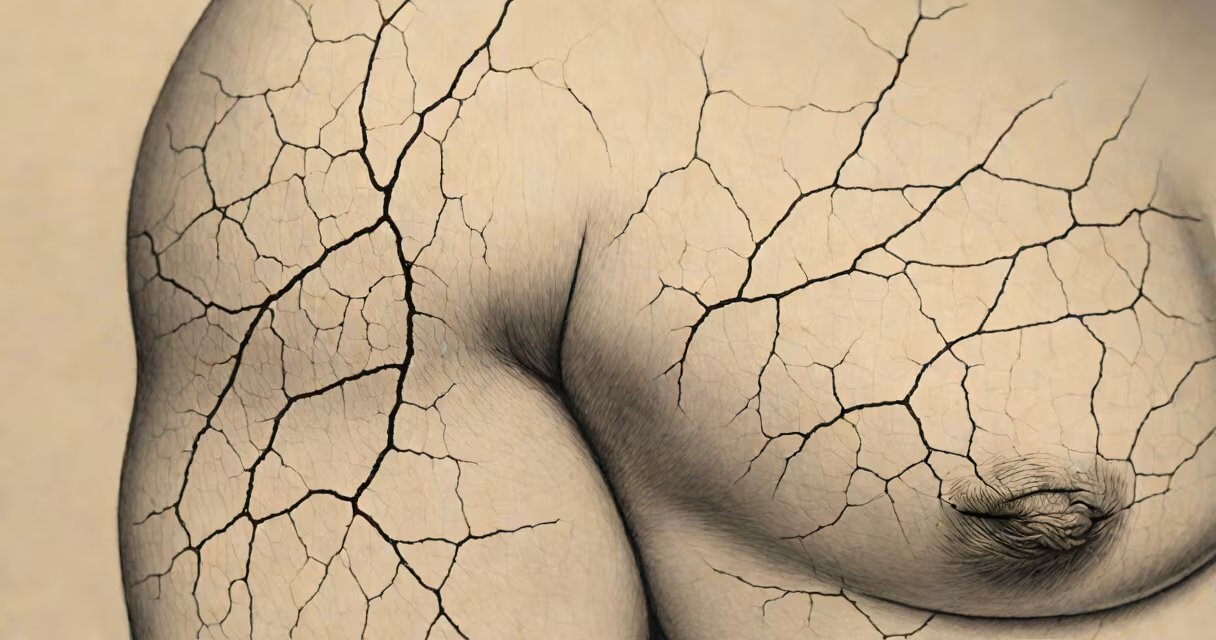
Nipple cracks are small tears in the skin of the nipple that often develop during early breastfeeding due to improper latch, frequent feeding, or dryness. They cause sharp pain during nursing and may bleed or crust over. Effective treatment focuses on correcting the root cause, protecting damaged tissue, and preventing infection.
Cracks form when pressure or friction exceeds the skin's resilience. The nipple's outer layer is thin and sensitive, especially in the first few weeks postpartum. A shallow latch forces the baby to compress the nipple rather than draw it into the mouth properly. This creates shear stress-like dragging a finger across a surface-which leads to micro-tears. Studies show that up to 80% of first-time mothers report nipple soreness, with 10-20% developing actual cracks (American Academy of Pediatrics, 2022).
Left untreated, cracks can deepen into fissures, increasing the risk of bacterial invasion. Staphylococcus aureus and Streptococcus species are common culprits in secondary infections. The World Health Organization recommends prompt intervention to prevent chronic pain and early weaning. Treatment is most effective when initiated within 48 hours of symptom onset.
Treatment begins with identifying and correcting the underlying cause. The primary issue is usually an incorrect latch. Babies should open wide, take in most of the areola-not just the nipple-and have their chin touching the breast. A good latch reduces pressure and allows the baby to feed efficiently without pulling or tearing.
Once the latch is corrected, wound care follows. Applying a sterile, lanolin-based cream after each feeding protects the skin and promotes healing. Lanolin has been shown to reduce pain and speed recovery compared to water-based ointments (Journal of Human Lactation, 2021). Avoid using soap on the nipple; it strips natural oils and dries the skin further. Instead, rinse with warm water and pat dry.
If the crack shows signs of infection-redness spreading beyond the area, pus, fever, or worsening pain-medical evaluation is needed. Topical antibiotics like mupirocin may be prescribed. Oral antibiotics are reserved for severe cases, such as mastitis or abscess formation. Always consult a healthcare provider before using any medication while breastfeeding.
Nipple cracks are categorized by severity and appearance. Understanding the type guides appropriate care.
| Type | Appearance | Common Causes | Recommended Action |
|---|---|---|---|
| Superficial | Redness, minor peeling, slight pain | Shallow latch, dry skin | Lanolin application, latch correction |
| Deep fissure | Visible groove, bleeding, sharp pain | Prolonged poor latch, overfeeding | Protective shield, frequent feeding breaks |
| Infected | Yellow or green discharge, warmth, swelling | Bacterial entry through tear | Topical antibiotic, medical review |
One non-obvious fact: cracks can heal faster when the baby nurses frequently-even if it hurts. Milk contains growth factors and immunoglobulins that support tissue repair. Limiting feeds to reduce pain often worsens the condition by causing engorgement and increased pressure on damaged tissue.
Many assume that cracked nipples are normal or inevitable. While mild discomfort is common, persistent pain or visible damage indicates a problem. The myth that "nipples toughen up" over time ignores the biological reality: skin doesn't adapt quickly enough to withstand repeated trauma.
Another error is using antiseptic solutions like hydrogen peroxide or alcohol on the nipple. These destroy healthy cells and delay healing. The American College of Obstetricians and Gynecologists warns against such practices, emphasizing that clean, dry skin is sufficient.
I once observed a mother who applied tea tree oil to her cracked nipple, believing it was antibacterial. Within 24 hours, the area became inflamed and blistered. She later reported that the irritation worsened until she consulted a lactation specialist. The oil had disrupted the skin barrier and caused contact dermatitis. This case highlights why evidence-based products-like purified lanolin-are preferred.
Consult a certified lactation consultant if pain persists beyond five days despite correct latch and care. Also seek help if the crack bleeds heavily, fails to improve after three days of treatment, or develops a white or yellow crust. These signs suggest infection or poor healing.
For recurrent cracks, consider evaluating for anatomical issues. Conditions like inverted nipples, tongue-tie in the baby, or low milk supply can contribute. A physical exam can rule out structural causes. Early intervention prevents long-term complications like scar tissue or chronic pain.
If you're managing symptoms related to b streptococcus treatment, remember that antibiotics used for infection control don't affect the safety of topical creams applied to the nipple. However, always inform your provider about all treatments being used.
A 32-year-old mother, Sarah, developed a deep fissure on her left nipple at day 6 postpartum. She reported sharp pain during feeding and noticed blood on the baby's mouth after sessions. Her baby had a shallow latch and frequently detached.
She began treatment by consulting a lactation specialist. The specialist confirmed the latch issue and taught her the "latch-and-release" technique. She practiced feeding with the baby's mouth covering most of the areola. After each session, she applied 100% pure lanolin (no additives) to the affected area.
She also used a silicone nipple shield temporarily to protect the crack while healing. The shield reduced direct pressure and allowed the skin to regenerate. She continued feeding every 2-3 hours, avoiding long gaps that increased engorgement.
After four days, the crack showed visible improvement. By day seven, pain had decreased by 70%, and the fissure closed completely. No infection developed. She continued using lanolin for two more days to prevent recurrence.
This case demonstrates that combining correct latch, protective care, and consistent treatment leads to rapid healing. Most cracks resolve within 5-7 days with proper care.
The treatment of nipple cracks centers on addressing the root cause-usually a poor latch-rather than masking symptoms. Correcting the feeding pattern, using safe topical agents, and seeking timely help prevent prolonged pain and support successful breastfeeding. Early action ensures both mother and baby benefit from uninterrupted nutrition and bonding.