Carbon monoxide has no smell. It is a colorless, odorless gas produced by incomplete combustion in fuel-burning appliances. Because it cannot be detected by human senses, it poses a silent threat in homes and enclosed spaces.
Unlike natural gas, which is intentionally odorized with mercaptan to alert people to leaks, carbon monoxide is not added to fuels for safety. This absence of scent is why carbon monoxide poisoning often goes unnoticed until symptoms appear - sometimes too late.
The absence of smell is not a flaw in design - it's a biological reality. Humans evolved to detect harmful airborne chemicals through smell, but carbon monoxide bypasses this system entirely. It binds to hemoglobin in blood more effectively than oxygen, reducing oxygen delivery to tissues. Without warning signs, exposure can lead to unconsciousness or death within minutes.
Carbon monoxide forms when fuels such as gasoline, natural gas, oil, wood, or coal burn incompletely due to poor ventilation, malfunctioning equipment, or blocked flues. Common sources include furnaces, water heaters, stoves, fireplaces, generators, and vehicle exhaust.
A 2021 study by the Centers for Disease Control and Prevention (CDC) found that nearly 50% of non-fatal carbon monoxide poisonings occurred in homes with working heating systems, highlighting how easily the gas can accumulate during normal operation.
For example, running a portable generator indoors during a power outage can produce lethal levels of CO in under 30 minutes. A single generator can emit up to 2,000 parts per million (ppm) of CO - well above the 9 ppm threshold at which the CDC recommends alarm activation.
Since carbon monoxide lacks odor, symptoms are the primary warning sign. Early effects mimic the flu: headache, dizziness, nausea, confusion, and fatigue. These symptoms often resolve when leaving the environment, leading people to misdiagnose the cause.
At higher concentrations, symptoms progress rapidly. Levels above 100 ppm can cause severe headaches and impaired judgment within 1-2 hours. Above 400 ppm, loss of consciousness occurs in less than an hour. At 800 ppm, death can happen in 45 minutes.
One documented case from the National Institute of Environmental Health Sciences (NIEHS) involved a family who experienced persistent headaches and nausea during winter. They attributed it to stress until a carbon monoxide detector triggered. Testing revealed 250 ppm in their living room - enough to cause acute poisoning.
Many assume carbon monoxide smells like rotten eggs, natural gas, or smoke. This is incorrect. Rotten egg smell indicates hydrogen sulfide or methane - gases used in natural gas distribution. Smoke smell suggests combustion byproducts, not CO itself.
Another myth is that CO only comes from faulty furnaces. While heating systems are common sources, vehicles, grills, camp stoves, and even poorly ventilated bathrooms with gas-powered water heaters contribute. A 2020 EPA report noted that 30% of CO incidents occurred in garages or attached workshops.
Some believe opening windows eliminates risk. While ventilation helps, it doesn't stop continuous production. A running car in a garage can generate 1,000 ppm in 10 minutes - far faster than fresh air can dilute it.
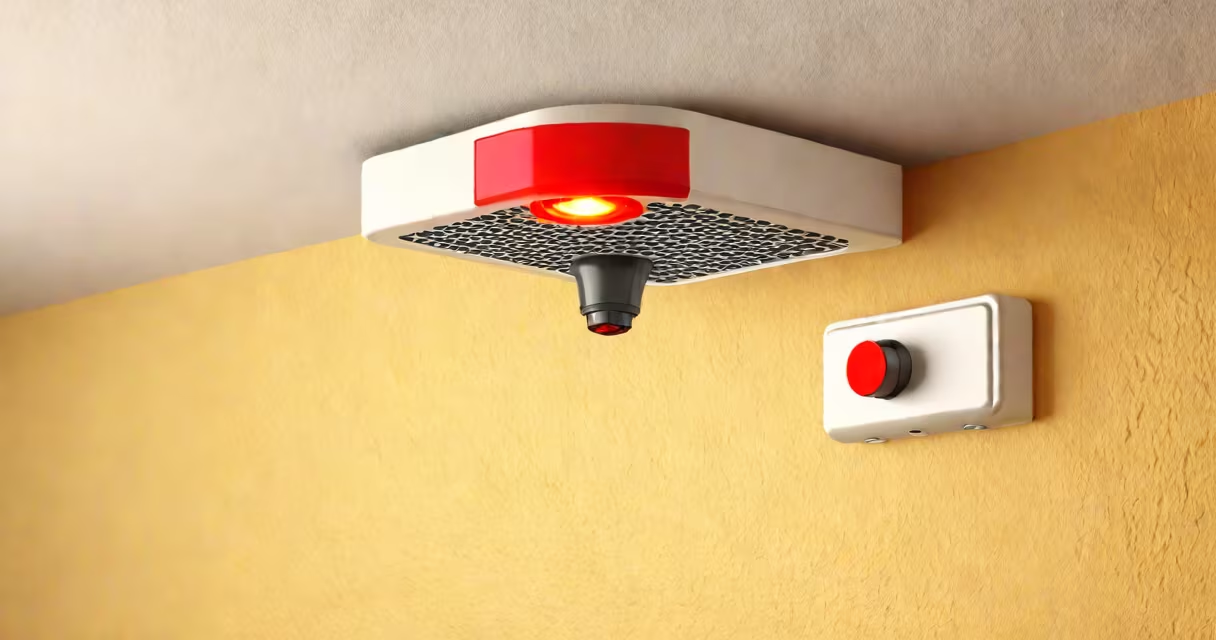
Install battery-operated or hardwired carbon monoxide detectors near sleeping areas and on each level of your home. The Consumer Product Safety Commission (CPSC) requires detectors to sound at 70 ppm within 60 minutes and at 150 ppm within 10 minutes.
Test detectors monthly. Replace batteries annually or when low-battery warnings trigger. Replace the unit every 5-7 years, as sensors degrade over time.
Check vents, chimneys, and flues annually. Have heating systems inspected by certified technicians before winter. Never run engines or grills indoors.
| Source | Typical CO Output (ppm) | Risk Level |
|---|---|---|
| Running car in closed garage | 1,000-2,000 | Life-threatening in 10-30 min |
| Gas stove (unvented) | 100-300 | Persistent exposure causes fatigue and headaches |
| Portable generator (indoor use) | 2,000+ | Death in under 30 minutes |
Even brief exposure to high levels can cause long-term neurological damage. Survivors of CO poisoning may experience memory loss, depression, and cognitive decline - conditions that persist months after recovery.
I once installed a CO detector in a rental apartment where tenants reported recurring headaches. The device activated at 120 ppm. Investigation revealed a cracked heat exchanger in the furnace. After repair, symptoms stopped. This case shows how detection prevents harm when symptoms are vague.
If you feel dizzy, nauseous, or confused in a space with fuel-burning devices, leave immediately. Move to fresh air and call emergency services. Do not re-enter until professionals confirm safety.
Use a multimeter to test CO detector functionality. Some models have a test button that triggers a beep and lights. If it fails, replace the unit.
For ongoing monitoring, consider smart detectors that send alerts to phones. Devices like the First Alert CO600 connect via Wi-Fi and notify users when levels rise above safe thresholds.
Understanding that carbon monoxide has no smell is the first step in staying safe. Rely on detectors, not senses. Regular maintenance and awareness prevent tragedies.
Protect your household by installing detectors and knowing the facts. There is no smell - only symptoms and technology can save lives.