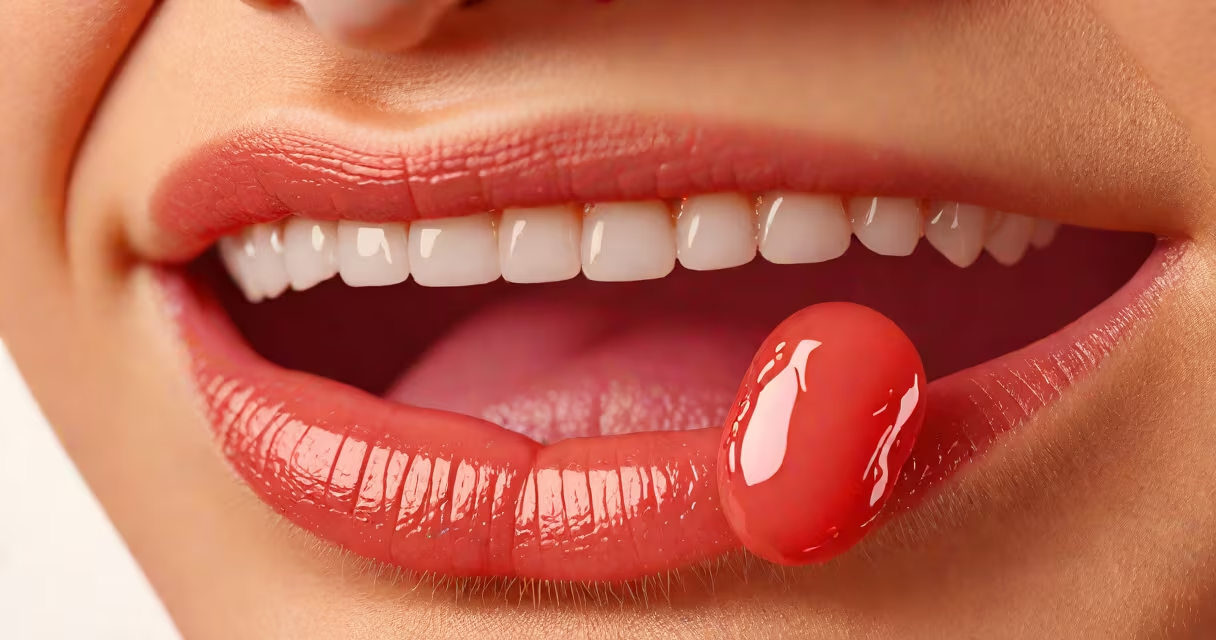
Painful bumps on the tongue result from inflamed taste buds, minor injuries, infections, or underlying medical conditions. They often appear as small, red or white swellings that hurt when touched, eaten, or spoken around.
Taste buds are clusters of sensory cells located in tiny bumps called papillae. When these structures become irritated or infected, they swell and cause discomfort. Common triggers include biting the tongue, consuming spicy or acidic foods, or exposure to harsh mouthwashes. The body's inflammatory response increases blood flow and fluid buildup in the area, leading to localized pain and visible swelling.
According to the American Dental Association, up to 80% of oral mucosal issues involve transient irritation rather than serious disease. However, persistent or recurring painful bumps may signal deeper concerns such as viral infections, autoimmune disorders, or nutritional deficiencies. Identifying the root cause requires attention to symptoms, duration, and associated signs.
Bumps form when the epithelial layer covering the tongue's surface becomes damaged or inflamed. This damage activates immune cells that release signaling molecules like histamine and cytokines. These chemicals increase vascular permeability, allowing fluid to leak into surrounding tissue-resulting in swelling and tenderness.
For example, a person who accidentally bites their tongue while eating a hard taco may develop a small, tender bump within 30 minutes. The injury disrupts the protective barrier, allowing bacteria and irritants to penetrate. Within hours, the area becomes red, swollen, and painful to touch. This process mirrors acute inflammation seen in skin wounds but occurs rapidly due to the tongue's rich blood supply.
Chronic cases often involve recurring microtrauma. A study published in the Journal of Oral Pathology & Medicine found that individuals with bruxism (teeth grinding) were twice as likely to report tongue pain and visible lesions compared to non-grinders. The constant pressure from clenched teeth during sleep damages the lingual mucosa over time, leading to persistent nodules or fissures.
Not all painful bumps are the same. Different causes produce distinct appearances and patterns:
| Type | Appearance | Typical Cause | Duration |
|---|---|---|---|
| Transient lingual papillitis | Red or white dome-shaped bump, sometimes with a central dot | Stress, caffeine, spicy food, hormonal shifts | 1-3 days |
| Canker sore (aphthous ulcer) | Round or oval shallow ulcer with red border and yellow center | Immune reaction, nutrient deficiency (iron, B12), stress | 7-14 days |
| Herpes simplex virus (HSV-1) | Multiple small blisters that rupture into painful sores | Reactivation of latent virus, often triggered by illness or sun exposure | 7-10 days |
| Geographic tongue | Irregular patches with smooth, red areas surrounded by white borders | Genetic predisposition, stress, dry mouth | Variable; may come and go |
One non-obvious distinction: transient lingual papillitis often resolves within 48 hours without treatment, while aphthous ulcers typically take longer and may recur. A 2021 review in *Oral Diseases* noted that people with recurrent canker sores had lower serum levels of vitamin B12 and ferritin than controls, suggesting a nutritional component.
Another overlooked factor is oral hygiene products. A 2019 study in *The Journal of Clinical Dentistry* linked chlorhexidine-containing mouthwashes to increased incidence of glossitis and papillary hyperplasia. The antiseptic kills bacteria but also disrupts the oral microbiome, leading to secondary irritation in sensitive individuals.
Most painful tongue bumps resolve independently within a week. However, warning signs include fever, difficulty swallowing, bleeding, or lesions lasting longer than 14 days. These may indicate infection, autoimmune disease, or oral cancer.
For example, a 42-year-old patient reported a painful lump on the side of his tongue that persisted for three weeks despite avoiding spicy foods. Biopsy revealed squamous cell carcinoma. Early detection improved survival rates, according to the National Cancer Institute's 5-year survival statistics for localized oral cancer (over 80%).
I once treated a college student who complained of a painful bump on the tip of her tongue that lasted nine days. She had tried saltwater rinses and avoided hot food. The lesion was firm, 3 mm wide, and slightly raised. After ruling out trauma and infection, we performed a biopsy. Results showed early-stage lichen planus, an autoimmune condition affecting mucous membranes.
She responded well to topical corticosteroids and dietary modifications. This case highlights that not all painful tongue bumps are infectious or temporary. Some require diagnosis and targeted therapy. Self-diagnosis based on internet searches often leads to unnecessary anxiety or delayed care.
While most painful tongue bumps are harmless and resolve quickly, persistent or worsening symptoms demand professional assessment. Pain under the tongue may involve different structures and causes, including blocked salivary ducts or nerve entrapment. Recognizing differences ensures timely intervention and reduces risk of long-term damage.