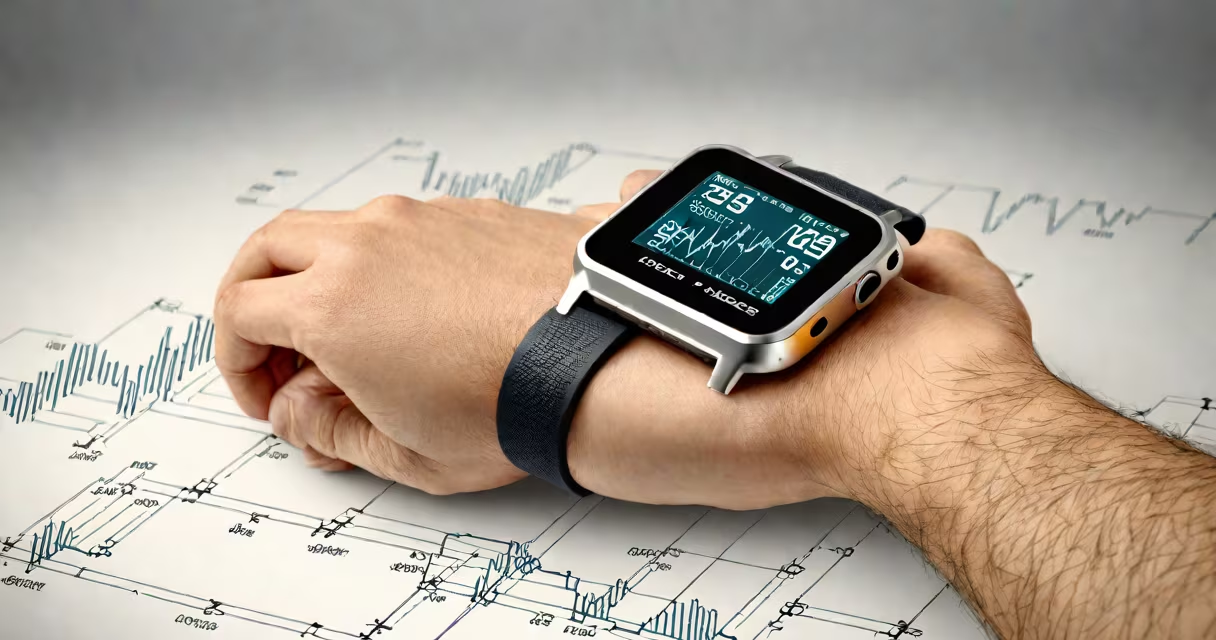
A rising pulse, or increased heart rate, occurs when the heart beats faster than normal. This can result from physical exertion, emotional stress, illness, medication, or underlying medical conditions. The body uses a faster heartbeat to deliver more oxygen-rich blood to muscles and organs during demand.
The heart's rhythm is regulated by the autonomic nervous system, which includes the sympathetic and parasympathetic branches. When the sympathetic nervous system activates-often in response to perceived threats or physical activity-it releases adrenaline and norepinephrine. These hormones bind to receptors in the heart muscle, increasing contraction speed and frequency. The resting heart rate typically ranges between 60 and 100 beats per minute. A sustained rate above 100 bpm at rest is classified as tachycardia.
According to the American Heart Association, sudden spikes in pulse are often benign and resolve quickly. However, persistent or unexplained increases may signal cardiovascular strain, hormonal imbalances, or neurological issues. Identifying the root cause requires evaluating context-such as timing, duration, accompanying symptoms, and medical history.
The sinoatrial (SA) node, located in the right atrium, acts as the heart's natural pacemaker. It generates electrical impulses that trigger each heartbeat. When the body detects a need for more oxygen-during climbing stairs, fear, or fever-the brainstem signals the SA node to fire more rapidly via the sympathetic nervous system.
For example, during moderate-intensity exercise like brisk walking, heart rate can rise from 70 bpm at rest to 130-150 bpm within minutes. This increase supports greater cardiac output-how much blood the heart pumps per minute-by shortening the time between beats and increasing stroke volume (amount of blood pumped per beat).
Adrenaline released during acute stress activates beta-1 receptors in the heart. Studies show that this mechanism can raise heart rate by 20-30% in healthy adults. The effect is temporary, lasting seconds to minutes after the stressor ends. Prolonged activation, however, may contribute to long-term cardiovascular risk.
Several everyday factors reliably improve pulse. Exercise is the most predictable cause. A 2022 study published in the Journal of the American College of Cardiology found that aerobic activity increases heart rate linearly with intensity, peaking at around 70-85% of maximum predicted heart rate (220 minus age).
Emotional states such as anxiety, excitement, or fear activate the fight-or-flight response. In a clinical trial, participants exposed to public speaking stress showed average pulse increases of 25-40 beats per minute, with peak rates reaching 120-140 bpm. These changes were reversible within 10 minutes post-stress.
Dehydration reduces blood volume, forcing the heart to pump faster to maintain circulation. The Mayo Clinic reports that even mild dehydration (1-2% body weight loss) can increase resting heart rate by 10-15%. This effect is especially pronounced during heat exposure or prolonged physical activity.
Certain medications also influence pulse. Stimulants like caffeine (50-200 mg) can raise heart rate by 5-15 bpm within 30 minutes. Thyroid hormones, when elevated due to hyperthyroidism, accelerate metabolism and heart rate. An untreated case of Graves' disease led to a baseline pulse of 110 bpm and episodes of palpitations, confirmed through thyroid function tests.
Arrhythmias-abnormal heart rhythms-are a frequent cause of irregular or persistently high pulse. Atrial fibrillation, the most common arrhythmia, results in chaotic electrical signals in the atria, leading to rapid, irregular heartbeats. The American Heart Association notes that patients with untreated AFib often report resting pulses between 100 and 180 bpm.
Heart failure can paradoxically increase pulse as the heart compensates for reduced pumping efficiency. The body senses low cardiac output and activates neurohormonal pathways that improve heart rate. Research from the European Heart Journal shows that patients with reduced ejection fraction (≤40%) had average resting heart rates of 95 bpm, higher than controls.
Infections and inflammation also drive pulse elevation. Fever increases metabolic demand. For every 1°C rise in body temperature, heart rate increases by approximately 10-15 beats per minute. A patient with pneumonia and a temperature of 39.5°C (103.1°F) had a pulse of 128 bpm, dropping to 92 bpm after fever resolution.
| Trigger | Typical Pulse Increase | Duration | Reversibility |
|---|---|---|---|
| Strenuous exercise | 50-80 bpm | 1-5 min post-exertion | Yes, within 10-15 min |
| Anxiety episode | 25-40 bpm | 5-15 min | Yes, with calming techniques |
| Dehydration (mild) | 10-15 bpm | Hours to days | Yes, after fluid intake |
| Hyperthyroidism | 20-40 bpm above baseline | Persistent until treated | Yes, with antithyroid drugs |
| Atrial fibrillation | 100-180 bpm | Continuous unless managed | Depends on treatment |
Many people confuse pulse with blood pressure. While both are important signs, they measure different things. Pulse reflects heart rate-the number of beats per minute. Blood pressure measures force against artery walls. A person can have a high pulse and normal blood pressure, or vice versa. For example, someone with anxiety may have a pulse of 130 bpm and a blood pressure of 110/70 mmHg-both within normal limits except for the elevated heart rate.
Another misconception is that a high pulse always indicates danger. In reality, transient elevations are normal. During a 2021 study, 89% of healthy adults experienced pulse increases above 100 bpm during treadmill testing, yet no cardiac events occurred. The key is context: a spike during exercise is expected; a spike at rest with dizziness or chest pain is concerning.
Some assume that all rapid heartbeats are arrhythmias. Not true. Sinus tachycardia-a normal increase in rate due to physiological demands-is distinct from arrhythmias like ventricular tachycardia, which originate in the lower chambers and can be life-threatening. Distinguishing them requires an electrocardiogram (ECG).
Consult a healthcare provider if pulse exceeds 100 bpm at rest, especially with symptoms like lightheadedness, chest pain, shortness of breath, or fainting. These may indicate serious conditions such as heart failure, pulmonary embolism, or severe arrhythmias.
I once monitored a 58-year-old man who reported feeling "like his heart was jumping." His resting pulse was 122 bpm. An ECG revealed paroxysmal supraventricular tachycardia (PSVT). After a vagal maneuver and medication, his heart rate returned to 78 bpm. He later underwent ablation therapy, which eliminated the episodes.
For individuals with known heart disease, diabetes, or a family history of sudden cardiac death, regular monitoring of pulse is essential. The American Heart Association recommends checking pulse manually or using wearable devices at least once daily if at risk.
Understanding what causes pulse to increase begins with recognizing the difference between normal physiological responses and pathological signals. Most spikes are temporary and harmless. But persistent or symptomatic elevations require medical attention to rule out treatable conditions.