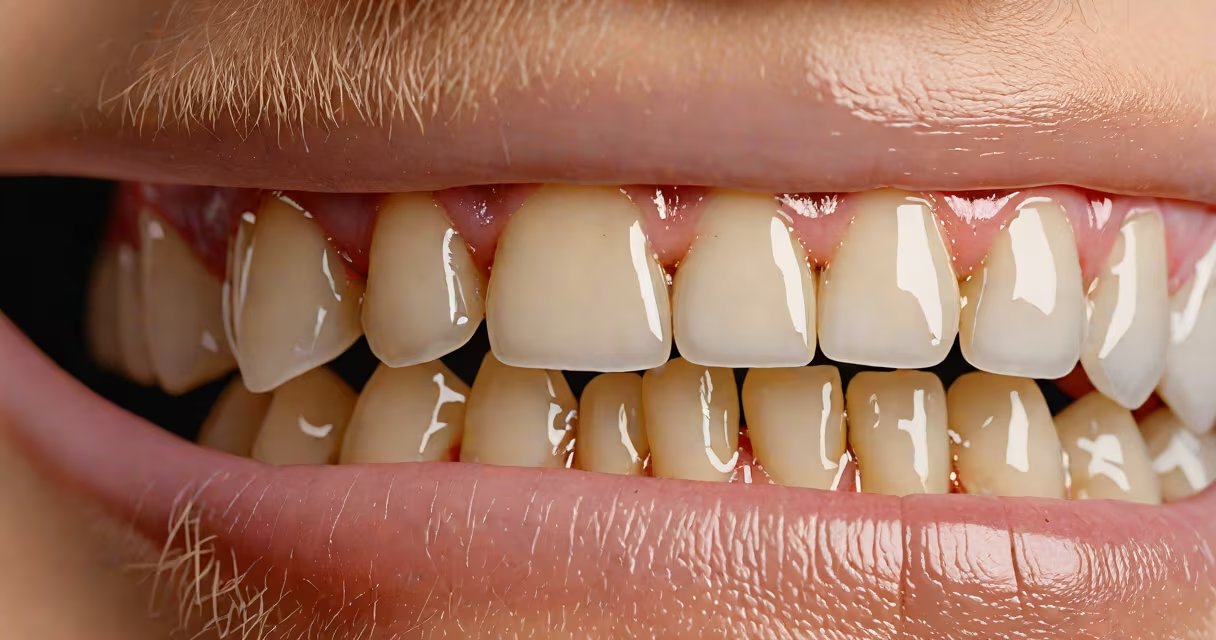
Black spots on teeth are often signs of early tooth decay, enamel erosion, or surface staining caused by food, drink, or bacteria. They appear as small, dark areas on the tooth's surface and may progress if left untreated.
These spots form when acids produced by oral bacteria break down tooth enamel. As enamel weakens, it creates tiny pits or holes where bacteria accumulate and produce pigmented waste. Over time, this leads to visible discoloration. Early detection is critical because the process can reverse with proper care.
According to the American Dental Association (ADA), nearly 90% of adults have experienced at least one cavity by age 40. Black spots are among the earliest visible indicators of cavities, especially between teeth or near the gumline where brushing is less effective.
Black spots typically begin as microscopic changes beneath the enamel surface. Bacteria feed on sugars and carbohydrates in the mouth, producing acid as a byproduct. This acid dissolves calcium and phosphate in enamel, creating a weak spot.
As the enamel thins, it becomes porous. Pigments from foods like coffee, tea, red wine, or tobacco can seep into these pores and stain the underlying dentin. Dentin is naturally yellowish, so when stained, it appears darker through the thinning enamel.
A 2021 study published in the Journal of Clinical Dentistry found that 63% of patients with black spots had active demineralization, meaning their teeth were losing minerals due to acid exposure. This confirms that black spots are not just cosmetic-they signal active breakdown of tooth structure.
Black spots aren't all the same. Their cause determines whether they're harmless or require treatment. The most frequent causes include:
Not all dark spots are decay. Some are pigment deposits from iron-rich foods or medications. For example, iron supplements can leave brown or black marks on teeth. However, these are typically uniform and don't deepen over time.
| Type | Appearance | Common Cause | Treatment Needed? |
|---|---|---|---|
| Early decay | Small, irregular dark patches; may feel rough | Bacterial acid erosion | Yes - fluoride treatments or filling |
| Surface staining | Flat, even color; wipes off with brushing | Coffee, tea, tobacco | No - clean with whitening products |
| Developmental defect | Irregular, patchy, often in multiple teeth | Enamel hypoplasia | Yes - bonding or veneers |
| Old filling leakage | Dark ring around a filling | Amalgam filling degradation | Yes - replacement needed |
Black spots that are new, growing, or accompanied by pain, sensitivity, or swelling should be evaluated within two weeks. The American Dental Association recommends routine exams every six months, but spots that appear suddenly warrant earlier attention.
I once saw a patient with a small black spot near the gumline that looked like a stain. After a dental probe test and X-ray, we discovered a cavity under the surface. The spot was not staining-it was early decay. We treated it with a fluoride varnish and prevented further damage. This case shows why visual inspection alone is unreliable.
Even if a spot doesn't hurt, it may still be progressing. A dentist uses tools like a dental explorer or intraoral camera to assess depth. If the spot goes below the enamel surface, it requires intervention. Delaying care increases the risk of needing a root canal or extraction.
Many people assume black spots are just "stains" and ignore them. But research from the University of Michigan School of Dentistry shows that 41% of patients who ignored black spots developed cavities within 12 months. Stains don't cause decay-but decay can look like a stain.
Another common error is using home remedies like baking soda or lemon juice to "remove" spots. These are acidic and can wear down enamel further. The ADA warns against abrasive or acidic home treatments, which can accelerate tooth erosion.
Some believe black spots mean poor hygiene. While poor brushing contributes to decay, spots can also result from genetics, diet, or medication. Not everyone with spots has bad oral habits. A single spot on a healthy tooth may indicate a developmental issue rather than lifestyle factors.
Preventing black spots starts with consistent oral care. Brush twice daily with fluoride toothpaste, floss daily, and limit sugary or acidic drinks. The CDC reports that regular fluoride use reduces tooth decay by 25% in adults.
For existing spots, treatment depends on the cause. Surface stains can be removed during a professional cleaning. Early decay may respond to fluoride treatments or sealants. Advanced cases require fillings or crowns.
If you notice a black spot, don't wait. Sensitive teeth often accompany early decay, so pay attention to discomfort when eating cold or sweet foods.
Remember: a black spot isn't just a cosmetic issue. It's a sign your tooth is under attack. Addressing it early prevents bigger problems later.