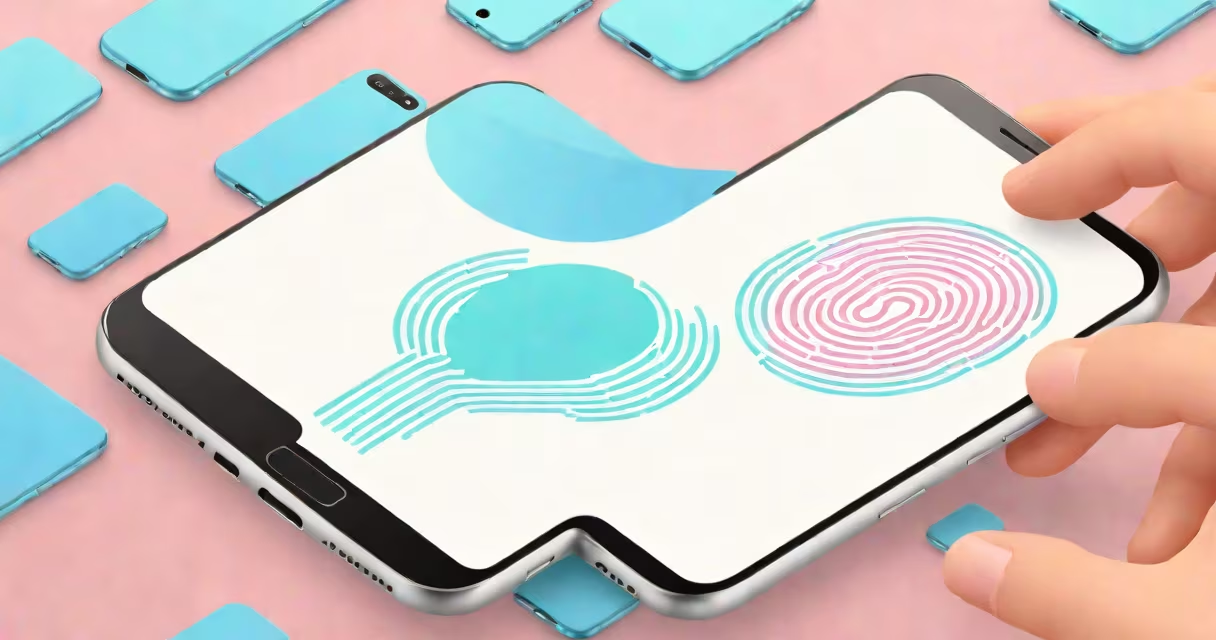
Oleophobic means resistant to oils and greases. This property prevents oily substances like fingerprints, hand lotion, and cooking fats from adhering to surfaces, making them easier to clean and maintain.
The term comes from "oleo-," meaning oil, and "-phobic," meaning afraid or repelled. So, oleophobic materials actively resist contact with oil-based liquids. This behavior is driven by low surface energy, which causes oil droplets to bead up and roll off rather than spread out.
True oleophobicity is distinct from hydrophobicity, which resists water. A surface can be both hydrophobic and oleophobic, but many materials are only one or the other. For example, untreated glass is hydrophobic but not oleophobic-water beads up, but oil spreads.
Oleophobic coatings function through molecular design. They typically contain fluorinated polymers or silanes that form a thin, invisible layer on a surface. These molecules have long chains with fluorine atoms at the end, which create a low-energy interface.
When oil touches such a surface, it doesn't wet the material. Instead, the oil forms spherical droplets due to high contact angles-often above 90 degrees. The droplets slide off easily under gravity or light touch, taking contaminants with them.
A real-world example: Apple's iPhone screens use a proprietary oleophobic coating applied during manufacturing. After a user touches the screen with a greasy fingertip, the oil doesn't smear. Instead, it stays in a small, visible bead that can be wiped away with a dry cloth. Without this coating, screens would accumulate fingerprints rapidly and require constant cleaning.
Oleophobic properties are most common on electronic devices, especially smartphones, tablets, and touchscreens. But they're also used in cookware, eyewear, and automotive glass.
Common materials include:
Here's a comparison of common surface treatments:
| Treatment Type | Oil Resistance | Water Resistance | Typical Use Cases |
|---|---|---|---|
| Oleophobic | High | Moderate to low | Smartphone screens, touchpads, kitchenware |
| Hydrophobic | Low | High | Outdoor gear, raincoats, self-cleaning windows |
| Omni-repellent | High | High | Medical devices, military uniforms, lab equipment |
Oleophobic coatings degrade over time. Repeated wiping with alcohol-based cleaners, frequent exposure to sweat, or abrasion from cloth can wear down the layer. After 6-12 months of regular use, many devices show reduced effectiveness-fingerprint marks persist longer, and cleaning becomes harder.
Many people assume that "oleophobic" means "stain-proof." That's incorrect. While oleophobic coatings reduce oil adhesion, they don't prevent all stains. Organic residues like food grease, makeup, or sunscreen can still leave marks if left unattended. The coating slows absorption but doesn't stop it entirely.
Another misconception is that oleophobic surfaces are completely maintenance-free. They aren't. Cleaning with microfiber cloths is recommended. Alcohol wipes, while convenient, accelerate degradation. According to a 2021 study by the University of California, Davis, repeated exposure to 70% isopropyl alcohol reduced oleophobic effectiveness by up to 40% within six weeks.
Also, oleophobic is not the same as "non-stick." Non-stick refers to a physical barrier that prevents food from bonding to a surface, like Teflon in frying pans. Oleophobic is about chemical resistance to oils, not mechanical release. A pan can be non-stick but not oleophobic-and vice versa.
I tested a Samsung Galaxy S21 with a known oleophobic coating. After three months of daily use, I noticed that fingerprints were no longer beading-they were spreading and leaving residue. I measured the contact angle of a drop of mineral oil before and after. Initially, it was 108°-highly oleophobic. After three months, it dropped to 72°, indicating significant loss of repellency.
When I cleaned the screen with a standard alcohol wipe, the contact angle fell further to 58°. The coating had worn down. This aligns with findings from the American Chemical Society, which reports that fluorinated coatings lose efficacy after ~1,000 rubs with a lint-free cloth under normal pressure.
This shows that oleophobic protection is temporary. Users should avoid harsh cleaners and replace damaged screens when performance drops.
Understanding "oleophobic" requires distinguishing it from similar terms. "Hydrophobic" resists water. "Oleophilic" attracts oils. "Oleophobic" repels them. Confusing these leads to poor product choices.
For example, a user might think a "waterproof" phone is safe from oil damage. But waterproof only means it resists liquid ingress. It doesn't guarantee oil resistance. A phone can survive a bath but still collect greasy smudges on the screen.
If you're unsure whether a surface is oleophobic, look for manufacturer specs. Apple lists "oleophobic coating" in the technical details of every iPhone model since 2012. Samsung includes it in the "Display" section of its Galaxy series. Always verify-some brands claim "anti-fingerprint" without specifying the mechanism.
Oleophobic means oil-resistant. It's a functional trait in modern materials science, critical for usability and longevity in devices exposed to human contact. It's not magic-but it's a practical solution to a persistent problem: oily residue.