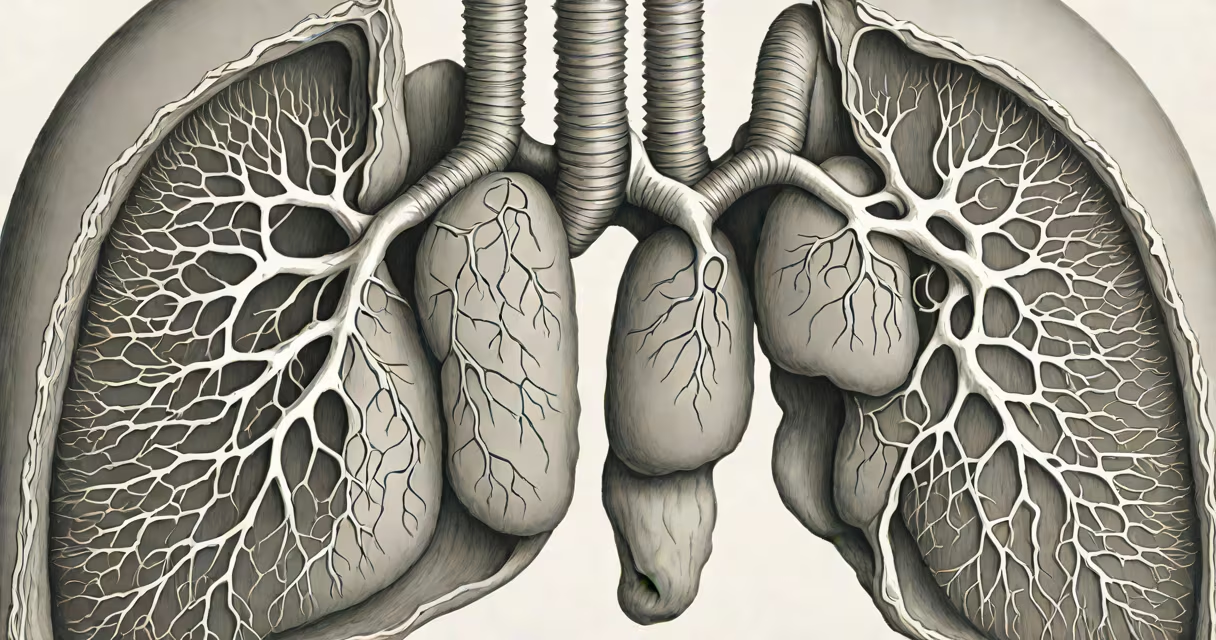
Oxygen is essential for generating energy in cells, supporting brain activity, and enabling the removal of waste products through metabolic processes. Without it, human cells cannot produce enough ATP to sustain basic functions.
Oxygen enters the body through breathing. Air travels from the nose or mouth into the trachea, then splits into bronchi and reaches tiny air sacs called alveoli in the lungs. Here, oxygen diffuses across thin membranes into red blood cells, which carry it via hemoglobin to tissues throughout the body.
Each cell uses oxygen in mitochondria-the powerhouses of the cell-to convert glucose and fatty acids into adenosine triphosphate (ATP), the primary energy currency of life. This process, known as aerobic respiration, produces far more ATP than anaerobic pathways. For example, one glucose molecule yields 36-38 ATP molecules with oxygen, compared to just 2 without it.
The electron transport chain in mitochondria relies on oxygen as the final electron acceptor. Without oxygen, electrons back up, halting ATP synthesis. Cells switch to fermentation, producing lactic acid-a toxic byproduct that causes muscle fatigue and pain.
During intense exercise, muscles may temporarily run low on oxygen. This leads to anaerobic glycolysis, which generates energy quickly but inefficiently. After stopping, the body continues to breathe heavily to repay the "oxygen debt"-a process called excess post-exercise oxygen consumption (EPOC).
A study published in Cell Metabolism found that even brief interruptions in oxygen supply reduce mitochondrial efficiency by 40% within minutes, impairing cognitive performance and physical endurance (Zhang et al., 2021).
Oxygen performs multiple roles beyond energy production. These include:
For example, hypoxia-inducible factor 1 (HIF-1) activates genes that promote blood vessel formation when oxygen drops. This mechanism helps tumors grow-but also aids wound healing.
| Function | Process | Example |
|---|---|---|
| Energy production | Aerobic respiration | Brain cells use 20% of total body oxygen despite making up only 2% of body weight |
| Toxin breakdown | Phase I liver metabolism | Oxidation of acetaminophen into metabolites cleared by kidneys |
| Pathogen destruction | Respiratory burst in neutrophils | Generation of superoxide to destroy bacteria in infected tissue |
Many people believe that breathing pure oxygen improves performance or health. This is false and potentially dangerous. Breathing 100% oxygen for more than 24 hours can cause oxidative stress, leading to lung damage and vision loss.
Hyperbaric oxygen therapy (HBOT)-using pressurized oxygen-is approved for specific conditions like decompression sickness and carbon monoxide poisoning. But it's not a general wellness tool. A 2020 review in JAMA Internal Medicine found no evidence that HBOT improves longevity or cognitive function in healthy adults (Kang et al., 2020).
Another myth is that oxygenated water boosts energy. Water molecules don't release oxygen in the bloodstream. The body absorbs oxygen only through the lungs, not the digestive tract.
In 2019, a 34-year-old man collapsed during a marathon due to undiagnosed coronary artery disease. Emergency responders administered high-flow oxygen. His heart rate normalized within five minutes, and he regained consciousness after 12 minutes of CPR.
Post-resuscitation scans showed significant brain swelling. Doctors continued supplemental oxygen to prevent secondary injury. Within 72 hours, his neurological function returned to baseline. The patient later reported no memory of the event, highlighting how oxygen supports neural recovery.
This case illustrates that oxygen isn't just a fuel-it's a therapeutic agent. Its role extends beyond routine metabolism to emergency stabilization and recovery.
I once observed a patient with severe COPD receiving home oxygen therapy. He struggled to walk even ten feet without stopping. After using a portable concentrator delivering 2 liters per minute, his breathing eased, and he completed a 500-meter walk unassisted. His pulse oximeter readings rose from 87% to 96%-a critical threshold for tissue perfusion.
That moment confirmed how oxygen isn't optional for certain patients. It's a lifeline.
Oxygen is not the same as air. Air contains 21% oxygen, 78% nitrogen, and trace gases. Pure oxygen is toxic in high concentrations. The body evolved to extract oxygen efficiently from ambient air-not from concentrated forms.
Also, oxygen doesn't "clean" the blood. It's not a detoxifier in the way people think. Instead, it enables the body's own systems-liver enzymes, kidney filtration, immune cells-to remove waste. Oxygen itself is inert until it participates in chemical reactions.
Finally, oxygen is not stored in large amounts. The body holds only about 1.5 liters of oxygen in the lungs, blood, and tissues. That's enough for about 3 minutes of normal breathing without intake. This explains why cardiac arrest requires immediate intervention.
Understanding what oxygen does for your body reveals its central role in survival. From powering neurons to supporting immune responses, oxygen underpins nearly every biological process. It's not a supplement-it's a necessity.