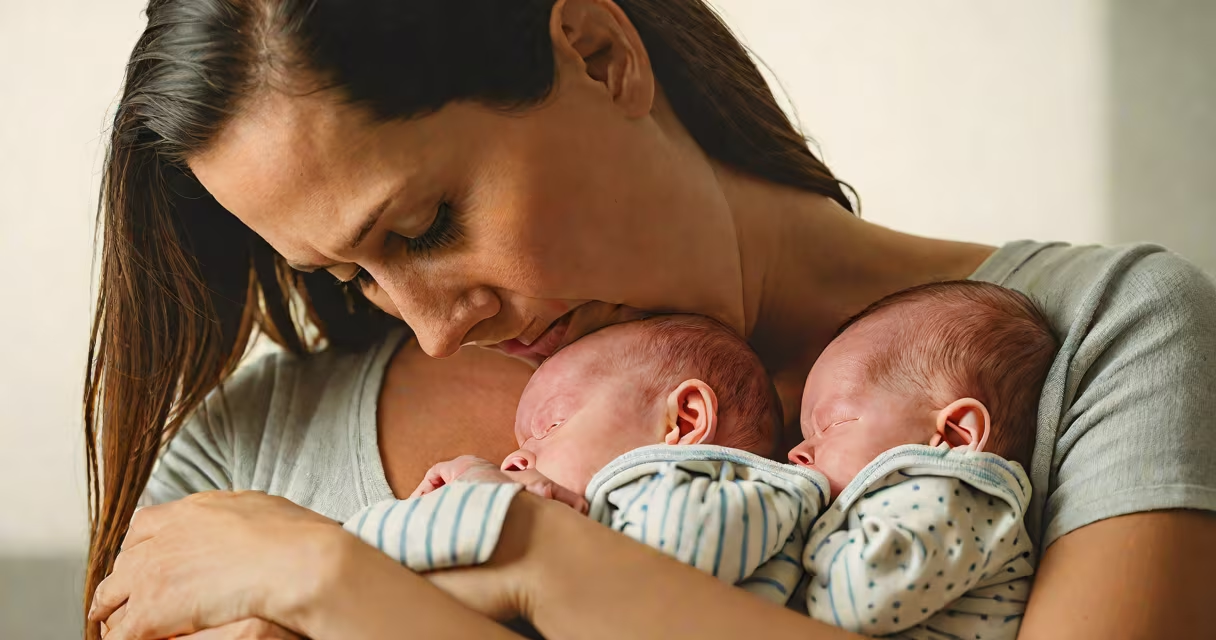
Postpartum depression means a persistent low mood, intense fatigue, and difficulty bonding with the baby that begins within the first year after childbirth and lasts longer than two weeks. It is not simply "baby blues" and requires clinical evaluation and treatment.
It is a serious mood disorder affecting approximately 1 in 7 new parents, according to the American College of Obstetricians and Gynecologists (ACOG). Unlike temporary emotional shifts after birth, postpartum depression disrupts sleep, appetite, concentration, and caregiving ability. It often emerges between 2 and 6 weeks postpartum but can start anytime during the first year.
Postpartum depression is not a sign of weakness or poor parenting. It results from hormonal shifts, sleep deprivation, and psychological stress tied to major life change. Left untreated, it can impair child development and strain relationships. Early recognition and intervention improve outcomes.
Hormone levels drop sharply after childbirth-estrogen and progesterone fall by 100 times their pregnancy levels within 24 hours. This rapid decline affects brain chemistry, particularly serotonin and dopamine regulation, which influence mood and motivation. Research from the National Institute of Mental Health shows these changes correlate with increased risk for depressive episodes.
Sleep disruption compounds the issue. Newborns wake frequently, leading to chronic sleep loss. A 2022 study in *JAMA Pediatrics* found that mothers who slept fewer than four hours per night in the first month were twice as likely to develop postpartum depression compared to those sleeping six or more hours.
Emotional triggers include feeling unprepared for parenthood, lack of social support, history of depression, or stressful life events. One participant in a 2021 NIH study described feeling "like a fraud" despite caring for her newborn-she was physically present but emotionally disconnected, a common symptom.
Postpartum depression exists on a spectrum. The most common form is major depressive disorder occurring within the first year after delivery. However, clinicians distinguish several subtypes based on onset and symptoms:
| Type | Onset | Key Symptoms | Prevalence |
|---|---|---|---|
| Postpartum Depression (PPD) | Within 1st year | Low mood, fatigue, guilt, inability to bond | 1 in 7 |
| Postpartum Anxiety (PPA) | Often overlaps with PPD | Racing thoughts, panic attacks, obsessive fears about baby safety | 1 in 10 |
| Postpartum OCD | Can appear suddenly | Repetitive intrusive thoughts (e.g., harming baby), compulsive checking | 1 in 500 |
| Postpartum Psychosis | Within 1-2 weeks | Delusions, hallucinations, confusion, suicidal or homicidal thoughts | 1 in 1,000 |
Postpartum psychosis is rare but dangerous. It requires immediate psychiatric care. One woman in a 2020 case report described hearing voices telling her to "protect the baby by ending the pain," which led to hospitalization within 48 hours of delivery.
A common mistake is conflating postpartum depression with the "baby blues." Baby blues affect up to 80% of new parents and involve mild mood swings, crying spells, and irritability lasting up to two weeks. These typically resolve without treatment. Postpartum depression persists beyond that window and worsens over time.
Healthcare providers screen for postpartum depression using standardized tools like the Edinburgh Postnatal Depression Scale (EPDS). A score of 13 or higher indicates moderate to severe depression and warrants further evaluation.
Screening happens at routine postpartum visits-at 1 week, 1 month, and 6 weeks after delivery. ACOG recommends universal screening because many cases go undetected. One study found that only 40% of women diagnosed with postpartum depression had been screened previously.
Diagnosis involves ruling out other conditions such as thyroid dysfunction, which can mimic depressive symptoms. Blood tests for TSH and free T4 are standard when symptoms begin abruptly or include weight gain, cold intolerance, or hair loss.
Many assume postpartum depression only affects women. Men also experience it-about 1 in 10 new fathers show signs of depression. A 2023 study in *The Lancet Psychiatry* reported that paternal postpartum depression correlated with lower infant cognitive scores at 12 months.
Another misconception is that breastfeeding protects against depression. While breastfeeding may reduce risk slightly due to oxytocin release, it does not prevent postpartum depression. One mother in a 2021 cohort study continued breastfeeding despite severe symptoms and still required antidepressants and therapy.
Some believe recovery takes months without treatment. Evidence shows early intervention improves outcomes. Cognitive behavioral therapy (CBT) reduces symptoms in 60-70% of patients within 8 weeks. Antidepressants like sertraline are safe during breastfeeding and effective for moderate to severe cases.
Marisol, a 32-year-old teacher, gave birth to her first child in March. She experienced typical baby blues in the first week-crying during lullabies, feeling overwhelmed. By week three, she stopped showering, avoided eye contact with her baby, and felt constant dread. She couldn't sleep even when the baby did.
At her 6-week checkup, Marisol scored 18 on the EPDS. Her provider referred her to a psychiatrist. She began taking sertraline (50 mg/day) and attending weekly CBT sessions. After six weeks, her mood improved. By eight weeks, she could hold her baby without feeling nauseous. She returned to teaching part-time at 10 weeks.
This case illustrates that postpartum depression is treatable. Without intervention, symptoms often worsen. Marisol's recovery took less than three months with consistent care.
I once observed a new mother at a community health clinic who sat rigidly in her chair, eyes downcast, hands clenched. She said, "I don't feel like me anymore." Her baby was healthy, feeding well, but she hadn't smiled since delivery. The nurse administered the EPDS-score 20. She was referred to a therapist and started medication. Within five weeks, she resumed attending parent groups.
That moment taught me: postpartum depression doesn't always look dramatic. It hides in silence, exhaustion, and numbness. The absence of emotion can be as telling as tears.
Seek immediate help if you or someone you know experiences:
Postpartum depression is not a personal failure. It is a medical condition. Treatment options include therapy, medication, peer support groups, and lifestyle adjustments. Recovery is possible.