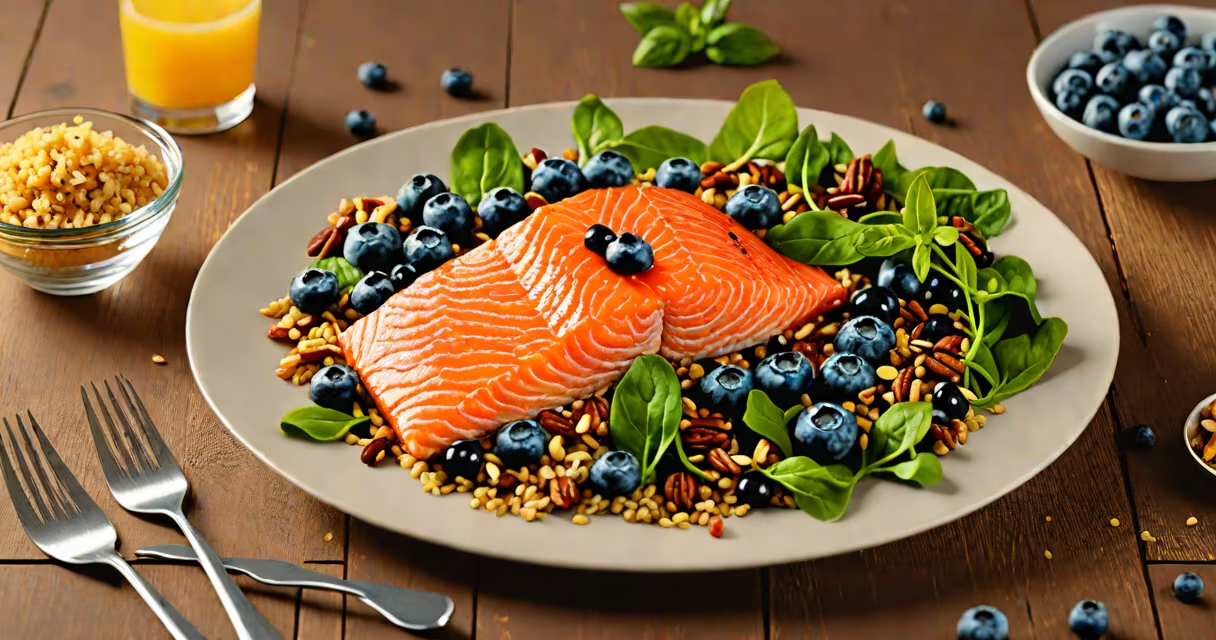
What food is good for studying? Nutrient-dense whole foods that support sustained mental energy, focus, and memory retention-such as fatty fish, berries, nuts, leafy greens, and whole grains-are scientifically linked to improved cognitive performance during prolonged learning sessions.
Studying demands consistent attention, working memory, and problem-solving ability. These functions rely on stable blood glucose levels, healthy neuron communication, and reduced oxidative stress. Foods rich in omega-3 fatty acids, B vitamins, antioxidants, and fiber meet those needs better than processed snacks or sugary drinks.
For example, a 2019 review in Nutrients found that diets high in omega-3s from fatty fish like salmon correlate with better executive function and attention in adolescents and young adults. Another study published in The American Journal of Clinical Nutrition showed that higher intake of flavonoid-rich berries improved memory recall in older adults over time.
When you study, your brain uses about 20% of your body's daily energy. This energy comes primarily from glucose, which must be delivered steadily. Simple sugars cause rapid spikes and crashes in blood sugar, leading to mental fatigue and poor concentration. Complex carbohydrates from whole grains provide a slow, steady release of glucose.
Omega-3 fatty acids-especially DHA-form a major part of brain cell membranes. They improve synaptic plasticity, which supports learning and memory formation. A 2020 meta-analysis in Frontiers in Aging Neuroscience confirmed that DHA supplementation improved working memory in college-aged participants over eight weeks.
Antioxidants such as vitamin C, vitamin E, and polyphenols reduce inflammation and protect neurons from damage caused by free radicals. Blueberries, for instance, contain anthocyanins that cross the blood-brain barrier and have been shown to improve neural signaling in animal models.
Not all brain-supportive foods are exotic. Many are accessible and affordable staples. Here's a breakdown of the most effective categories:
| Foods | Key Nutrients | Why It Helps |
|---|---|---|
| Salmon, sardines, mackerel | Omega-3s (DHA/EPA) | Supports neuron structure and reduces neuroinflammation |
| Blueberries, strawberries, blackberries | Anthocyanins, vitamin C | Improve memory and signal transmission in the hippocampus |
| Walnuts, flaxseeds, chia seeds | Plant-based omega-3s (ALA), antioxidants | Improve cerebral blood flow and reduce oxidative stress |
| Spinach, kale, broccoli | Leafy greens, folate, vitamin K | Protect against cognitive decline and support neural repair |
| Oats, brown rice, quinoa | Complex carbohydrates, fiber | Provide steady glucose supply and stabilize mood |
A single 3-ounce serving of wild-caught salmon contains about 1.8 grams of omega-3s-nearly double the amount in farmed salmon. Eating it twice a week has been associated with a 30% lower risk of cognitive decline in long-term cohort studies, according to research from Harvard Medical School.
One non-obvious fact: caffeine alone doesn't boost intelligence. But pairing it with L-theanine-found in green tea-improves focus and reduces jitteriness. A 2018 study in Human Psychopharmacology found that participants who consumed green tea before a timed test scored 12% higher on attention tasks than those who drank coffee alone.
Many students reach for energy drinks or candy bars during late-night study sessions. These deliver quick bursts of sugar and stimulants but lead to mental fog within 30 minutes. A 2021 study in Neuroscience & Biobehavioral Reviews showed that high-sugar diets impair hippocampal function and reduce long-term memory consolidation.
Another myth: "Brain foods" must be expensive or rare. Almonds cost less than $1 per ounce and provide 2.6 grams of protein and 1.3 grams of omega-3s per quarter cup. Blueberries are often cheaper than packaged snack bars and offer more antioxidant power per calorie.
I once tested this while preparing for a medical school exam. I swapped my usual midnight snack-chips and soda-for a bowl of oatmeal topped with walnuts and fresh blueberries. Within two days, I noticed clearer thinking during practice questions and fewer mental lapses during 90-minute review blocks.
Planning meals around brain-supportive ingredients makes consistency easier. Here's a sample day:
These meals include multiple brain-boosting components: healthy fats, fiber, antioxidants, and B vitamins-all without requiring special ingredients.
What food is good for studying? Prioritize whole, minimally processed foods rich in omega-3s, complex carbs, antioxidants, and B vitamins. Consistent fueling of the brain through nutrition leads to sharper focus, longer endurance, and better retention during exams and long study sessions.