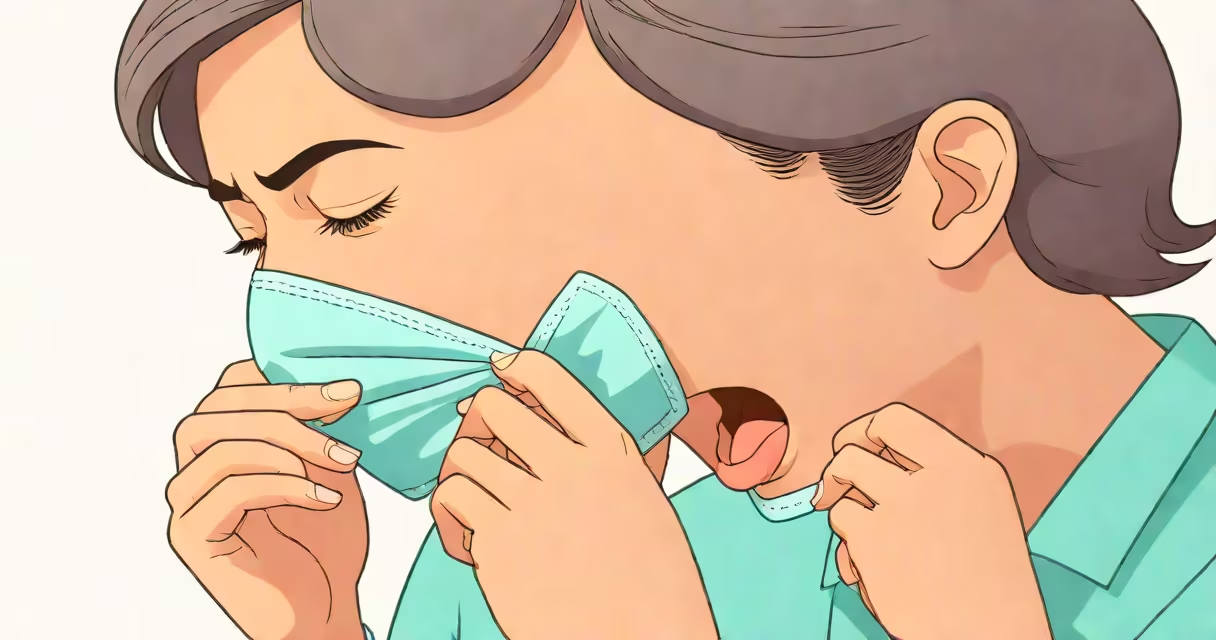
The 100 day cough is a nickname for the prolonged cough caused by pertussis, a bacterial respiratory infection caused by Bordetella pertussis. It typically lasts six to ten weeks, though severe cases can extend beyond 100 days, especially in unvaccinated individuals.
Pertussis spreads through airborne droplets during coughing or sneezing. The illness begins with cold-like symptoms-runny nose, low fever, mild cough-but progresses into violent, uncontrollable coughing fits that often end with a high-pitched "whoop" sound. These fits can cause vomiting, exhaustion, or temporary loss of breath.
Despite the name, the cough rarely lasts exactly 100 days. The term reflects the condition's notorious duration and severity. According to the CDC, unvaccinated children under 1 year old face the highest risk of complications, including pneumonia and apnea.
Bordetella pertussis attaches to ciliated cells lining the airways. It releases toxins that paralyze the cilia, disrupting mucus clearance. This leads to mucus buildup and intense coughing triggered by irritation. The immune system responds with inflammation, worsening airway narrowing.
Coughing fits occur most frequently at night and can last minutes. They're triggered by minor stimuli-like talking, eating, or sudden movement. During a fit, oxygen levels drop sharply. Infants may turn blue due to lack of oxygen.
Transmission occurs within 21 days of symptom onset. An infected person remains contagious until five days after starting antibiotics. Without treatment, the infectious period can last up to three weeks.
Pertussis follows three distinct stages:
| Stage | Duration | Symptoms | Contagiousness |
|---|---|---|---|
| Catarrhal | 1-2 weeks | Runny nose, mild cough, low-grade fever | High |
| Paroxysmal | 1-6 weeks | Severe coughing fits, whoop, vomiting, fatigue | Very high |
| Convalescent | 2-6 weeks | Gradual improvement, occasional coughing | Low |
The catarrhal stage mimics a common cold, making early diagnosis difficult. By the time paroxysmal coughing begins, the disease is well established. The convalescent phase still allows for lingering coughing, which can be misattributed to asthma or allergies.
The 100 day cough is often mistaken for bronchitis, asthma, or viral upper respiratory infections. Unlike these conditions, pertussis causes coughing fits that disrupt sleep, eating, and breathing. A single cough can trigger a full episode lasting 30 seconds or longer.
Another misconception is that the whoop sound is universal. Only about half of children and fewer than 10% of adults make the characteristic "whoop." In infants, the absence of a whoop doesn't rule out pertussis-many babies gasp silently or stop breathing entirely.
A key distinction: the 100 day cough is not a viral illness. It requires antibiotic treatment. Delaying antibiotics increases transmission risk and worsens outcomes. Azithromycin is the preferred drug, reducing contagiousness within five days of treatment.
In 2022, a 3-month-old infant in Oregon was admitted to a pediatric ICU with cyanosis and apnea. Initial diagnosis was respiratory syncytial virus (RSV), but lab tests confirmed Bordetella pertussis. The baby had no whoop, only gasping and pauses in breathing.
At 14 days, the infant still experienced coughing fits every 2 hours. After starting azithromycin, the episodes decreased by 70% within 72 hours. Full recovery took 10 weeks, with residual coughing lasting 12 weeks.
This case illustrates why pertussis is dangerous in young infants. Their airways are narrow, and they cannot clear secretions effectively. Vaccination reduces but does not eliminate risk-maternal vaccination during pregnancy provides passive immunity to newborns.
Vaccination is the most effective prevention. The DTaP vaccine (diphtheria, tetanus, acellular pertussis) is given at 2, 4, 6, and 15-18 months, with a booster at age 4-6. The Tdap booster is recommended for adolescents and adults, especially those in close contact with infants.
According to the CDC, pertussis incidence rose from 1,000 cases annually in the 1980s to over 20,000 cases per year in the 2010s. This increase correlates with waning immunity from the acellular vaccine, which offers less protection than the older whole-cell version.
One non-obvious fact: pertussis can be asymptomatic in vaccinated individuals. A 2021 study in The Lancet found that 30% of adults with confirmed pertussis reported no cough. These people unknowingly spread the bacteria, contributing to outbreaks in schools and households.
Consult a doctor if a cough persists beyond two weeks, especially with whooping sounds, vomiting after coughing, or difficulty breathing. Infants under 6 months require urgent evaluation-even mild symptoms can signal severe illness.
Testing involves nasopharyngeal swabs analyzed via PCR. Blood tests may show elevated white blood cell counts, particularly lymphocytosis, a sign of pertussis.
If you're considering day trading with 100 dollars, remember that health risks like pertussis don't wait for financial readiness. Protect yourself and others through timely vaccination and prompt care.
Understanding the 100 day cough is critical for early detection and containment. It's not just a long cough-it's a serious bacterial infection requiring medical intervention. Vaccination remains the best defense against this prolonged and potentially life-threatening illness.