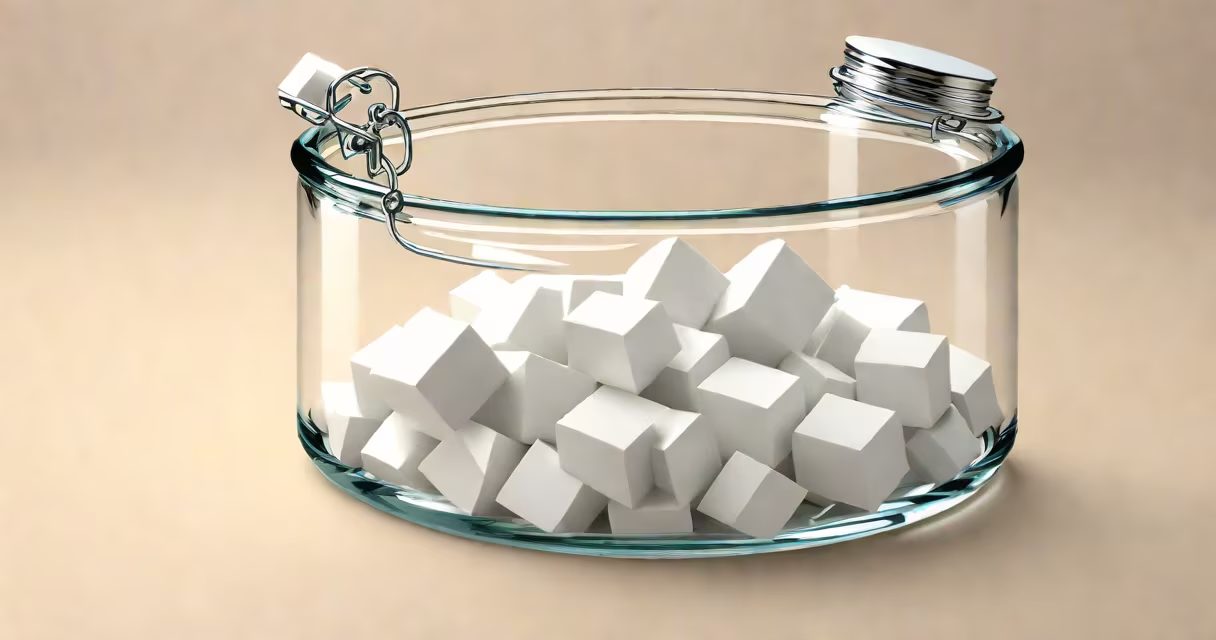
Sodium hydrogen carbonate, also known as baking soda or sodium bicarbonate, is a white, crystalline compound with the chemical formula NaHCO₃. It acts as a weak base and releases carbon dioxide when heated or mixed with acids, making it essential in baking and cleaning.
When dissolved in water, sodium hydrogen carbonate forms a slightly alkaline solution with a pH around 8.3. This mild alkalinity allows it to neutralize acids effectively. Its ability to release CO₂ upon decomposition makes it a key ingredient in leavening agents, fire extinguishers, and antacids.
The compound was first isolated in the 18th century through the Leblanc process, later refined into the Solvay process, which remains the primary industrial method for production. Today, it is manufactured at scale in facilities across North America and Europe, with annual global output exceeding 10 million metric tons.
Sodium hydrogen carbonate undergoes thermal decomposition at temperatures above 50°C (122°F), breaking down into sodium carbonate (Na₂CO₃), carbon dioxide (CO₂), and water vapor (H₂O). The reaction is:
2 NaHCO₃ → Na₂CO₃ + CO₂ + H₂OThis release of CO₂ gas causes dough to rise during baking. For example, when 1 teaspoon (about 5 grams) of baking soda is added to a recipe with an acidic ingredient like lemon juice or buttermilk, it produces roughly 150 milliliters of carbon dioxide-enough to create visible air pockets in bread or cake batter.
In acidic environments, such as the stomach, sodium hydrogen carbonate reacts with hydrochloric acid (HCl) to form sodium chloride (NaCl), water, and CO₂. This neutralization reduces acidity and relieves heartburn. However, excessive use can lead to metabolic alkalosis due to systemic bicarbonate absorption.
Sodium hydrogen carbonate is composed of one sodium ion (Na⁺), one hydrogen ion (H⁺), and one carbonate ion (CO₃²⁻). Despite the name "hydrogen carbonate," it contains no free hydrogen atoms-it's a salt derived from carbonic acid (H₂CO₃).
There are no distinct chemical types of sodium hydrogen carbonate. Variants differ only in purity, particle size, and processing. Common grades include:
| Type | Purity | Particle Size | Common Use |
|---|---|---|---|
| Food-grade | ≥99% | 50-150 microns | Baking, food preparation |
| Pharmaceutical-grade | ≥99.5% | 20-80 microns | Antacids, medical formulations |
| Industrial-grade | ~95% | 150-500 microns | Cleaning agents, fire suppression |
Particle size affects dissolution speed. Finer powders dissolve faster in liquids, improving performance in recipes requiring quick leavening. Coarser grades are preferred in dry-cleaning applications where slow reaction is desired.
In kitchens, sodium hydrogen carbonate is used as a leavening agent in baked goods. A typical muffin recipe calls for 1/2 teaspoon of baking soda per cup of flour. When combined with an acid like yogurt or vinegar, it generates bubbles that expand during baking, creating a light texture.
For household cleaning, it serves as a gentle abrasive and deodorizer. Mixed with water into a paste, it removes stains from sinks and countertops. A 2019 study published in *Environmental Science & Technology* showed that a 10% solution of sodium hydrogen carbonate removed 92% of kitchen grease residue after 10 minutes of scrubbing, outperforming many commercial cleaners.
Medically, it treats mild cases of metabolic acidosis and is used in dialysis solutions. The American Society of Health-System Pharmacists notes that intravenous sodium bicarbonate is administered cautiously due to risks of fluid overload and hypernatremia.
Many assume sodium hydrogen carbonate is interchangeable with baking powder. They are not. Baking powder contains sodium hydrogen carbonate plus a dry acid (like cream of tartar) and a moisture-absorbing agent (such as cornstarch). This means baking powder activates only when wet, while baking soda requires both moisture and an acid.
A second misconception is that it's safe to consume in large amounts. While small doses (up to 2 grams daily) are generally well-tolerated, chronic overuse can cause side effects including nausea, bloating, and increased blood pressure. The FDA limits sodium content in supplements containing sodium hydrogen carbonate to 60 mg per serving to prevent electrolyte imbalance.
Another error is treating it as a universal remedy. It does not neutralize all types of acids. For example, it cannot safely treat hydrofluoric acid burns-its use in such cases may worsen tissue damage. The National Institutes of Health advises against using baking soda on chemical burns unless directed by a medical professional.
I once used sodium hydrogen carbonate to clean a heavily stained cast iron skillet. After applying a thick paste and letting it sit overnight, scrubbing with a stiff brush removed years of baked-on residue without damaging the seasoning. The surface returned to a smooth, dark finish-proof of its effectiveness in restoring cookware.
One non-obvious fact: sodium hydrogen carbonate decomposes rapidly in humid conditions. Storage in sealed containers away from moisture is critical. A 2020 study by the University of Illinois found that exposure to 70% humidity reduced its potency by 15% within 48 hours.
It is often confused with sodium carbonate (washing soda), which is stronger and more corrosive. Sodium carbonate has a pH of ~11 and can damage skin and fabrics. Using it interchangeably with baking soda in recipes leads to bitter, dense results.
Unlike calcium carbonate (used in antacids), sodium hydrogen carbonate provides immediate relief but carries higher sodium content. Patients with hypertension or kidney disease must monitor intake carefully.
To make homemade self-rising flour: mix 1 cup (120g) of all-purpose flour with 1.5 teaspoons (7g) of sodium hydrogen carbonate and 0.5 teaspoon (2.5g) of salt. This blend replaces store-bought self-rising flour. When used in pancakes, the mixture produces a fluffy texture due to CO₂ release during frying.
For comparison, a standard baking powder (e.g., Rumford brand) contains 30% sodium hydrogen carbonate, 50% monocalcium phosphate, and 20% starch. Substituting baking soda 1:1 for baking powder in a recipe increases leavening power and may result in over-rising or a soapy taste.
Sodium hydrogen carbonate is a versatile compound with wide-ranging applications in food, health, and industry. Its ability to react with acids and release gas under heat makes it indispensable in baking and cleaning. Always verify the correct ratio and compatibility with other ingredients to avoid unintended outcomes.