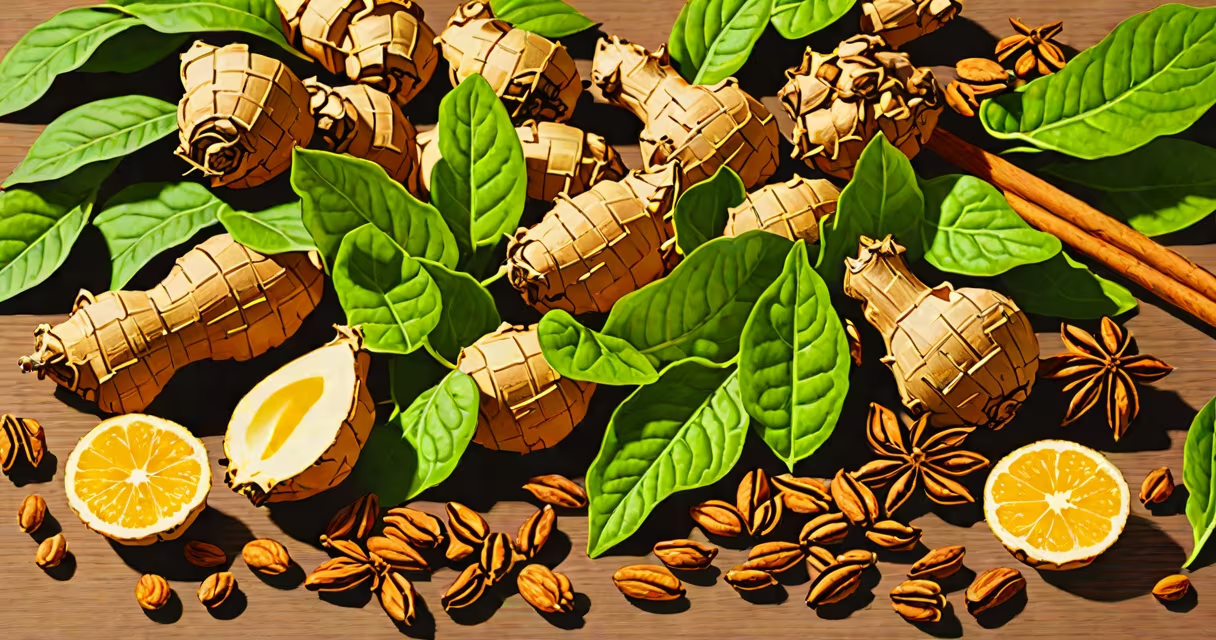
Consuming certain foods may support hormonal balance and help regulate or trigger menstruation in individuals with irregular cycles, though no food directly causes a period to start. Nutrition influences the endocrine system, which controls ovulation and menstrual timing.
Menstruation results from complex hormonal shifts involving estrogen, progesterone, and follicle-stimulating hormone. While eating specific foods won't force a period to begin overnight, consistent intake of nutrient-dense whole foods can improve cycle regularity over time. This is especially relevant for people with delayed or absent periods due to low body weight, high stress, or nutritional deficiencies.
The body's ability to produce and regulate sex hormones depends on adequate intake of essential fatty acids, B vitamins, iron, magnesium, and phytoestrogens. A diet lacking in these nutrients may disrupt the hypothalamic-pituitary-ovarian axis, leading to amenorrhea (absence of menstruation). Reintroducing key nutrients through food can restore function.
Diet affects the menstrual cycle through multiple pathways. First, energy availability determines whether the body prioritizes reproduction. Low-calorie intake or extreme restriction can suppress gonadotropin-releasing hormone (GnRH), halting ovulation and menstruation. Studies show that underweight individuals often experience secondary amenorrhea, which can resolve with improved caloric intake and balanced macronutrients.
Second, micronutrient status impacts hormone synthesis. For example, vitamin D deficiency correlates with higher rates of polycystic ovary syndrome (PCOS) and irregular cycles. Research from the National Institutes of Health indicates that women with serum vitamin D levels below 30 ng/mL have a 30% greater risk of menstrual dysfunction compared to those above 50 ng/mL.
Third, anti-inflammatory foods modulate prostaglandin production. High levels of inflammatory markers are linked to heavier bleeding and painful cramps. Omega-3-rich foods like flaxseeds and fatty fish reduce inflammation and may ease menstrual symptoms while supporting cycle stability.
Several foods provide compounds that support hormonal regulation and may indirectly promote menstruation when dietary gaps exist.
| Nutrient | Role in Cycle Regulation | Foods Rich in This Nutrient |
|---|---|---|
| Omega-3 Fatty Acids | Reduce inflammation, support ovarian function | Flaxseeds, chia seeds, salmon, walnuts |
| Magnesium | Regulates cortisol and supports progesterone balance | Pumpkin seeds, spinach, dark chocolate (70%+) |
| Iron | Prevents anemia, supports oxygen transport to reproductive tissues | Beef liver, lentils, kale, fortified grains |
| Phytoestrogens | Weak estrogen-like compounds that may stabilize hormone levels | Soybeans, tofu, flaxseeds, chickpeas |
For example, a study published in *The Journal of Clinical Endocrinology & Metabolism* found that women consuming at least 1.5 servings of soy daily had a 20% lower incidence of cycle irregularity over a 12-month period compared to those who rarely ate soy products.
One non-obvious point: excessive intake of processed plant estrogens (e.g., in highly concentrated supplements) may disrupt endocrine signaling. Whole-food sources are safer and more effective for long-term balance.
Many people believe that eating spicy foods, drinking ginger tea, or consuming large amounts of pineapple will "trigger" a period. While these foods may improve blood flow or reduce cramping, they do not initiate menstruation in someone whose cycle is absent due to hormonal imbalance or low body weight.
Another misconception is that "natural" equals "effective." Not all herbal remedies are safe or evidence-based. For instance, black cohosh and vitex (chaste tree berry) are sometimes promoted for menstrual regulation, but clinical trials show mixed results and potential side effects, including liver toxicity. Always consult a healthcare provider before using supplements.
A common error is assuming that diet alone can correct persistent amenorrhea. If menstruation hasn't resumed after three months of consistent nutritional improvement, medical evaluation is necessary. Causes such as hypothyroidism, hyperprolactinemia, or PCOS require diagnosis and treatment beyond dietary changes.
Consider a 24-year-old woman with a history of irregular periods and low body mass index (BMI 17.5). She reported skipping periods for 10 months and experienced fatigue and cold intolerance. Blood work revealed low iron (9 µg/dL), low vitamin D (18 ng/mL), and elevated cortisol.
Her diet was low in fat, protein, and vegetables. Over six weeks, she increased calorie intake by 500 kcal/day, added three servings of fatty fish, 1/4 cup ground flaxseed daily, and 1 cup cooked lentils five times weekly. She also began taking a daily multivitamin with 1,000 IU vitamin D.
After eight weeks, her iron rose to 32 µg/dL, vitamin D reached 42 ng/mL, and her BMI increased to 19.2. Her period returned within four weeks of sustained dietary change. She continued this pattern and maintained regular cycles for over a year.
This case illustrates that nutrition supports physiological processes-not magic triggers. The return of menstruation followed measurable improvements in biomarkers, not sudden food-induced events.
When exploring dietary support for menstruation, focus on consistency, not quick fixes. A single meal of ginger tea won't restart a cycle. But daily inclusion of nutrient-rich foods can create conditions where the body restores its natural rhythm.
What to eat to get menstruation centers on long-term nourishment, not immediate results. Prioritize whole foods, monitor symptom patterns, and seek medical guidance when cycles remain absent despite dietary improvements.