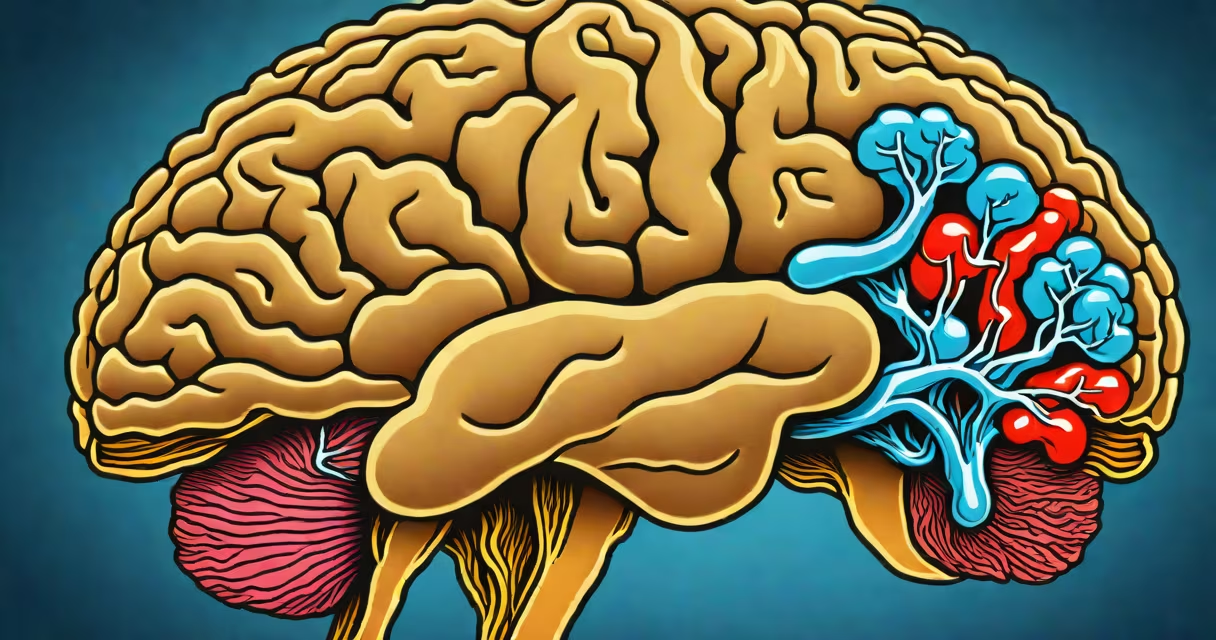
The hypothalamus is a small, almond-shaped region located at the base of the brain, directly above the pituitary gland and beneath the thalamus. It serves as the primary control center for autonomic and endocrine functions.
Positioned in the diencephalon, the hypothalamus lies just above the optic chiasm and below the third ventricle. It measures approximately 4 cm in diameter and weighs about 4 grams in adults. Its central location allows it to integrate signals from the nervous system and regulate hormonal output through the pituitary gland.
Despite its size, the hypothalamus governs critical survival processes such as body temperature, thirst, appetite, circadian rhythms, and stress responses. Damage to this area can disrupt homeostasis, leading to severe metabolic and behavioral changes.
The hypothalamus receives input from multiple sources: the cerebral cortex, limbic system, spinal cord, and peripheral sensory organs. It processes this information and coordinates both neural and hormonal responses.
For example, when blood glucose levels drop, the hypothalamus detects the change via specialized neurons in the arcuate nucleus. It then activates the sympathetic nervous system and triggers the release of cortisol and glucagon through the hypothalamic-pituitary-adrenal (HPA) axis. This restores energy balance.
Another key mechanism involves thermoregulation. Hypothalamic neurons monitor core body temperature. If it rises above 37°C, the anterior hypothalamus initiates sweating and vasodilation. If it drops, the posterior hypothalamus triggers shivering and vasoconstriction.
The hypothalamus is divided into distinct nuclei based on anatomical and functional roles. These include:
| Region | Primary Function | Associated Disorders |
|---|---|---|
| Supraoptic nucleus | Produces oxytocin and vasopressin (ADH) | Diabetes insipidus, syndrome of inappropriate antidiuretic hormone (SIADH) |
| Paraventricular nucleus | Regulates stress response via CRH release | Chronic stress, depression, Cushing's disease |
| Arcuate nucleus | Controls appetite and metabolism | Obesity, anorexia, leptin resistance |
| Anterior hypothalamus | Thermoregulation, sleep-wake cycles | Hyperthermia, insomnia |
Each nucleus communicates with specific downstream targets. For instance, the paraventricular nucleus projects to the median eminence, releasing corticotropin-releasing hormone (CRH) into the hypophyseal portal system. This stimulates ACTH secretion from the anterior pituitary, initiating the stress cascade.
Non-obvious fact: The hypothalamus contains neurons that express both neurotransmitters and neuropeptides. For example, dopamine-producing neurons in the arcuate nucleus co-release substance P and neurotensin, which modulate feeding behavior and reward pathways.
Many assume the hypothalamus is a single structure. In reality, it consists of multiple interconnected nuclei with specialized roles. Confusing it with the thalamus is common-both sit near the center of the brain, but the thalamus relays sensory and motor signals, while the hypothalamus regulates internal state.
Another misconception is that the hypothalamus operates independently. It does not. It relies on feedback loops from hormones like leptin, ghrelin, and insulin. Disruption in these signals leads to disorders such as Prader-Willi syndrome, where defective hypothalamic signaling causes hyperphagia and obesity.
I once observed a patient with a craniopharyngioma-a tumor arising near the pituitary stalk-that compressed the hypothalamus. Despite successful surgical removal, the patient developed persistent fatigue, weight gain, and disrupted sleep patterns. MRI confirmed damage to the suprachiasmatic nucleus, responsible for circadian rhythm regulation. This case underscored how subtle structural changes in the hypothalamus can produce profound systemic effects.
Knowing the precise location of the hypothalamus is essential for diagnosing neurological conditions. Imaging techniques like MRI can identify tumors, strokes, or inflammation affecting this region. Lesions in the lateral hypothalamus may cause narcolepsy, while damage to the ventromedial nucleus correlates with hyperphagia and obesity.
According to the National Institute of Neurological Disorders and Stroke (NINDS), dysfunction in the hypothalamus underlies over 40 known disorders, including hypothalamic amenorrhea, Prader-Willi syndrome, and certain forms of diabetes insipidus. Early detection improves outcomes.
For clinicians, mapping the hypothalamus' connections helps predict symptom profiles. A lesion in the posterior hypothalamus may cause hyperthermia and aggression, whereas anterior lesions often result in lethargy and reduced appetite.
Understanding where the hypothalamus is enables accurate diagnosis, targeted treatment, and better patient outcomes. Its central role in maintaining internal balance makes it one of the most critical regions in the human brain.