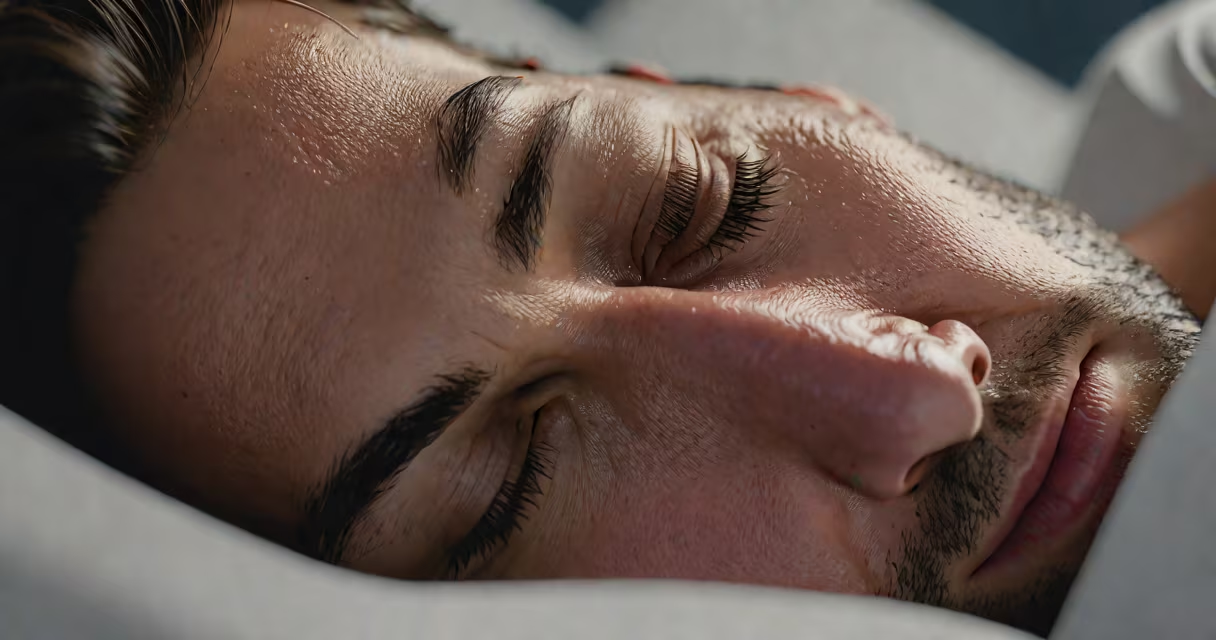
Sweating when you're sick is a physiological response triggered by your body's internal thermostat resetting during a fever. It typically occurs as your body cools down after reaching a higher temperature to fight infection. This process is part of the immune system's effort to create an environment less hospitable to pathogens.
Fever is not a symptom itself but a regulated increase in core body temperature orchestrated by the hypothalamus. When the immune system detects invaders like viruses or bacteria, it releases pyrogens-substances that signal the brain to raise the body's set point. Once elevated, the body generates heat through shivering and metabolic activity. As the fever peaks and begins to subside, the hypothalamus initiates cooling mechanisms, including sweating, to return the body to normal temperature.
This cooling phase is critical. Sweating helps dissipate excess heat through evaporation, reducing internal temperature. Without this mechanism, prolonged high fevers could damage cells or disrupt organ function. According to the National Institute of Allergy and Infectious Diseases (NIAID), fever is a protective response that enhances immune cell activity and inhibits pathogen replication.
The hypothalamus acts as the body's central climate control center. During infection, cytokines such as interleukin-1 (IL-1) and tumor necrosis factor (TNF) travel through the bloodstream and cross the blood-brain barrier. These molecules bind to receptors in the hypothalamus, prompting it to reset the body's thermal set point upward-often to 38-40°C (100-104°F).
Once the new set point is established, the body responds by constricting blood vessels near the skin (vasoconstriction) and increasing heat production via muscle contractions (shivering). This phase causes chills and discomfort. As the infection begins to subside or treatment takes effect, the hypothalamus reverses course. It triggers vasodilation and activates eccrine sweat glands across the skin surface.
Sweating becomes visible when the body reaches a temperature above its current set point. For example, if your fever was 39.5°C (103.1°F) and drops to 37.5°C (99.5°F), the body perceives this as overheating relative to its adjusted baseline. The sweat glands respond by releasing fluid-mostly water and electrolytes-onto the skin. As this fluid evaporates, it draws heat away from the body, lowering core temperature.
Sweating during illness is most common with viral infections like influenza, upper respiratory tract infections, and COVID-19. It may also occur with bacterial infections such as strep throat or urinary tract infections. The intensity varies based on the severity of the fever and individual thermoregulatory efficiency.
A common misconception is that sweating means you're "breaking" the fever. While sweating often coincides with the decline of fever, it doesn't guarantee recovery. Some people sweat heavily during the peak of a fever due to disrupted thermoregulation, especially in children or those with compromised nervous systems.
Another confusion arises between sweat caused by illness and sweat from stress or anxiety. Stress-induced sweating primarily affects the palms, soles, and underarms-areas rich in apocrine glands. Illness-related sweating occurs across the entire body and is tied to temperature changes, not emotional state. Distinguishing the cause helps avoid misinterpreting symptoms.
Sweating alone is not dangerous. However, excessive or persistent sweating during illness-especially when accompanied by dizziness, confusion, rapid breathing, or inability to keep fluids down-may indicate dehydration or complications.
Dehydration reduces sweat production over time. If you're sweating heavily but still feel weak or lightheaded, your body may be losing more fluid than you're replacing. The American College of Sports Medicine notes that losing more than 2% of body weight in fluid can impair cognitive and physical performance.
If sweating persists beyond 24 hours after fever resolution, or if you develop night sweats without fever, consult a healthcare provider. Night sweats can signal chronic infections like tuberculosis or autoimmune conditions such as lupus. The CDC recommends seeking medical evaluation for unexplained night sweats lasting more than two weeks.
Managing sweat during illness involves balancing hydration and comfort. Wipe sweat with a cool cloth, wear breathable fabrics like cotton, and change clothes frequently to prevent chills and skin irritation.
Staying hydrated supports both thermoregulation and immune function. The Mayo Clinic advises drinking 8-10 ounces of clear fluids every hour during fever. Water, oral rehydration solutions, or broths are effective. Avoid sugary drinks or alcohol, which can worsen dehydration.
When fever subsides and sweating stops, focus on gradual rehydration and rest. The body uses significant energy to sustain elevated temperatures. A study published in *The Journal of Infectious Diseases* found that patients who maintained proper hydration during fever recovered 1.5 days faster on average than those who did not.
Certain medications can alter sweating patterns. Antipyretics like acetaminophen or ibuprofen reduce fever and may decrease sweating by lowering the body's set point. However, they don't eliminate the underlying immune response. Overuse can mask symptoms and delay diagnosis.
One non-obvious fact: sweat during illness contains antimicrobial peptides like dermcidin. Research from the University of California, San Diego, shows these compounds inhibit growth of bacteria such as *Staphylococcus aureus*. This suggests that sweating may contribute to local skin defense during infection-even if it's not the primary reason.
Consider a 32-year-old adult with influenza. On day 2 of illness, their temperature spikes to 39.2°C (102.6°F). They report chills, fatigue, and muscle aches. By evening, they begin sweating profusely-dampening their shirt and sheets. Their temperature drops to 37.1°C (98.8°F) within two hours.
This sequence reflects typical fever dynamics. The initial rise in temperature indicates immune activation. The subsequent sweating marks the decline phase. The person feels better as their body returns to baseline, though fatigue may linger for several days.
In this case, the individual drank 1.5 liters of water and broth over six hours, changed into dry clothes twice, and rested. They recovered fully within five days. No antibiotics were needed-viral infections resolve with supportive care.
Sweating when you're sick is a sign your body is regulating temperature during a fever. It's part of the immune system's strategy to fight infection by creating a hostile environment for pathogens. Understanding this process helps distinguish normal recovery signs from potential complications.