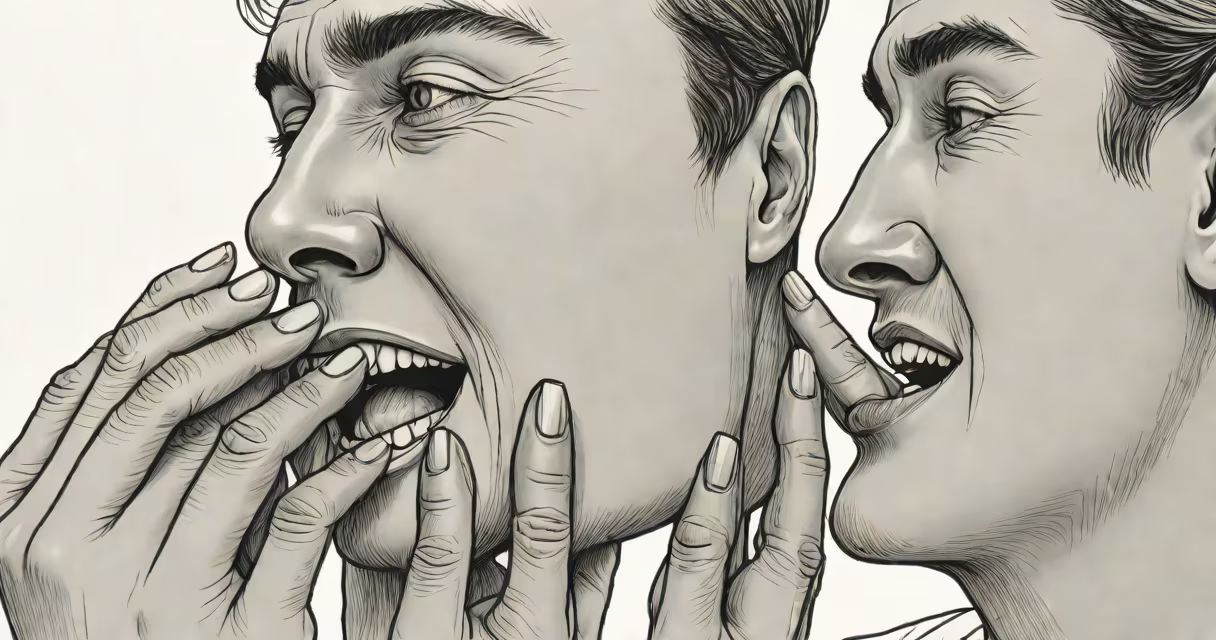
Morning tooth pain typically results from nighttime habits like teeth grinding, acid exposure from stomach reflux, or untreated dental decay. It's not normal to wake up with persistent toothache-this signal points to an underlying issue requiring attention.
Tooth pain upon waking often follows a pattern: sharp, sudden, or throbbing sensations localized to one tooth or a group. This timing suggests activity during sleep rather than daytime triggers. The most common culprits include bruxism (teeth grinding), acid erosion from nighttime acid reflux, and untreated cavities that progress under pressure or temperature changes during rest.
Dental professionals report that nearly 30% of adults experience nocturnal bruxism, often undetected until symptoms like morning jaw soreness or tooth sensitivity appear. The American Dental Association notes that untreated bruxism can lead to enamel wear, cracked teeth, and temporomandibular joint (TMJ) strain.
Teeth lack nerves in their outer enamel layer, but the inner dentin contains tiny tubules connected to the pulp-the nerve center. When enamel wears down or gums recede, these tubules become exposed. Cold air, hot food, or even brushing can trigger pain signals through them.
During sleep, saliva production drops by up to 70%, reducing natural protection against acids and bacteria. This creates a vulnerable environment for enamel erosion and cavity progression. A 2021 study in the Journal of Clinical Dentistry found that individuals with nighttime acid reflux had higher rates of cervical caries (tooth decay near the gumline) compared to those without reflux.
For example, someone who drinks soda before bed may not notice the acid exposure-but over time, the low pH environment erodes enamel. By morning, the tooth surface is weakened. When they brush, the bristles stimulate exposed dentin tubules, sending pain signals to the brain.
Not all morning tooth pain comes from the same root. Identifying the source guides effective action. Here's how to differentiate:
| Source | Typical Symptoms | Distinctive Clue |
|---|---|---|
| Bruxism (grinding) | Jaw stiffness, dull ache, worn-down tooth edges | Pain worsens with jaw movement or chewing |
| Acid erosion | Sharp pain with cold or sweet foods, shiny or translucent tooth surfaces | Enamel appears thin or worn; often linked to heartburn or vomiting |
| Cavity or infection | Pulsing pain, sensitivity to heat, swelling | Pain may persist throughout the day, not just in the morning |
| Gum recession | Burning sensation along gumline, bleeding when brushing | Exposure of root surface; often feels sensitive to touch |
A non-obvious factor: dry mouth due to mouth breathing during sleep increases risk. Saliva neutralizes acids and washes away debris. Reduced flow allows plaque to accumulate faster. A 2019 review in the International Journal of Oral Science confirmed that mouth breathers have twice the incidence of early-stage caries compared to nasal breathers.
If you wake with tooth pain, avoid brushing too hard. Use a soft-bristled toothbrush and fluoride toothpaste. Rinse with warm salt water to reduce inflammation. Avoid acidic, sugary, or very cold foods until the cause is clear.
I once observed a patient with chronic morning pain who assumed it was sensitivity. After a night of wearing a custom-fitted night guard, the pain resolved within three days. The dentist diagnosed bruxism after spotting wear patterns on molars. This case shows that identifying the root cause matters more than temporary relief.
Preventing morning tooth pain begins with understanding your habits. Keep a log: note what you eat before bed, whether you grind your teeth, and if you experience acid reflux. Track symptom patterns over a week.
Use a night guard if bruxism is suspected. These are custom-made by dentists and proven to reduce enamel wear. A 2020 clinical trial showed that patients using night guards reported 68% less morning pain after six weeks.
For acid-related issues, avoid late-night snacking and limit alcohol or citrus. If you have GERD, consult a doctor-medications like proton-pump inhibitors can reduce nighttime acid flow. Fluoride rinses used nightly strengthen enamel and reduce sensitivity.