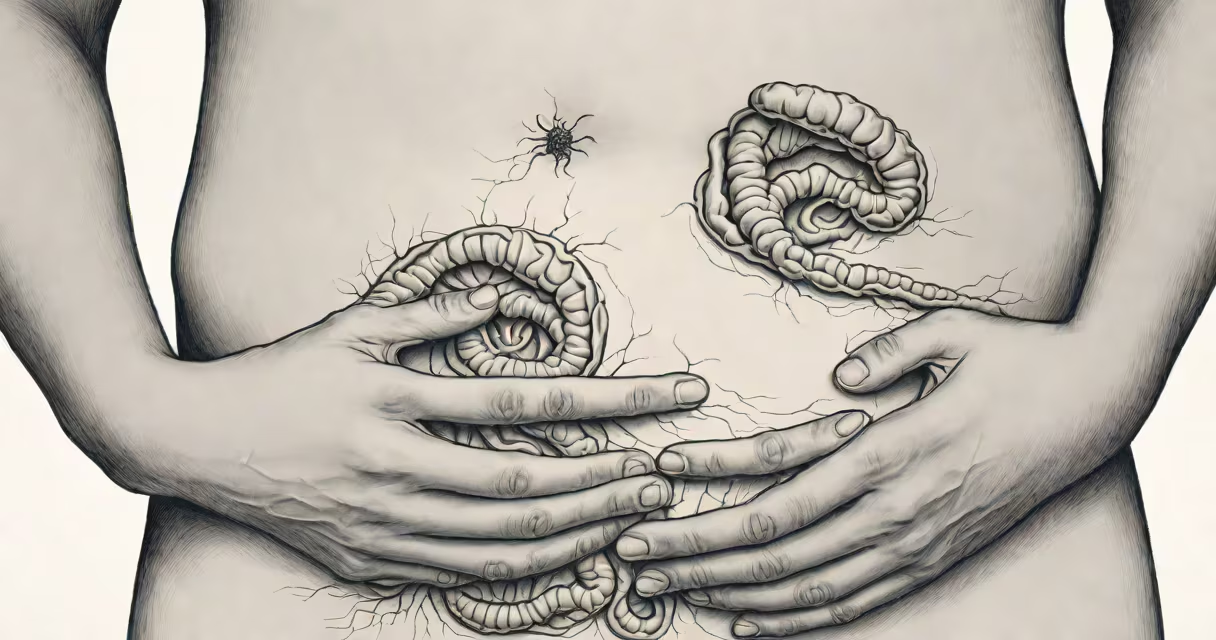
Viral stomach bugs, medically known as acute gastroenteritis, are highly contagious and spread easily through contact with infected individuals, contaminated surfaces, or airborne particles released during vomiting. These infections are typically caused by viruses such as norovirus and rotavirus, which survive on surfaces for days and can infect others within hours of exposure.
Norovirus alone causes approximately 19 million cases annually in the United States, according to the Centers for Disease Control and Prevention (CDC). It is responsible for 90% of non-bacterial outbreaks of gastroenteritis in community settings. Transmission occurs through ingestion of virus particles, often via contaminated hands, food, or water, or by inhaling aerosolized vomit particles.
Outbreaks frequently occur in closed environments like schools, nursing homes, cruise ships, and restaurants. A single infected person can shed billions of viral particles in their stool and vomit, making it easy for others to become ill even with minimal contact. The incubation period is typically 12 to 48 hours, and symptoms include nausea, vomiting, watery diarrhea, abdominal cramps, and low-grade fever.
The primary route of transmission is fecal-oral, meaning the virus enters the body through the mouth after touching a contaminated surface and then touching the face. Norovirus is especially resilient-it remains infectious on hard surfaces for up to two weeks and resists common disinfectants like alcohol-based hand sanitizers.
Contaminated food is another major vector. Shellfish harvested from polluted waters, raw produce washed with contaminated water, and food prepared by someone with poor hand hygiene can carry the virus. A study published in the journal *Emerging Infectious Diseases* found that 60% of norovirus outbreaks in the U.S. were linked to food handlers who were symptomatic or had recently recovered.
Airborne transmission is less widely understood but well-documented. When an infected person vomits, tiny droplets containing the virus can travel several feet and settle on nearby surfaces. These particles can remain viable in the air for up to 12 hours, posing a risk even to people not in direct contact with the individual.
Several viruses cause stomach illness, but norovirus and rotavirus are the most common culprits. Norovirus is the leading cause of acute gastroenteritis in adults and older children, while rotavirus primarily affects infants and young children under five.
| Virus | Incubation Period | Duration of Illness | Contagious Period | Key Transmission Routes |
|---|---|---|---|---|
| Norovirus | 12-48 hours | 1-3 days | 2 days before symptoms to 2 weeks after recovery | Fecal-oral, airborne vomit, fomites |
| Rotavirus | 1-3 days | 3-8 days | Up to 10 days after symptom onset | Fecal-oral, contaminated objects, person-to-person |
Rotavirus spreads more slowly than norovirus but is still highly transmissible among unvaccinated children. The CDC reports that rotavirus vaccination reduced hospitalizations by 85% in children under five in the U.S. since its introduction in 2006.
It's a common misconception that only vomiting or diarrhea indicates contagion. In reality, people can shed the virus before showing symptoms-up to 24 hours prior-and continue shedding for days after recovery. This silent spread makes containment difficult in group settings.
Many assume that a stomach bug is "just a stomach ache" and not serious enough to isolate. However, norovirus outbreaks have led to mass quarantines on cruise ships and school closures lasting multiple days. In 2019, a norovirus outbreak on a U.S. cruise ship sickened over 200 passengers and crew members, prompting emergency medical evacuations.
Another misunderstanding is that handwashing with soap and water is sufficient. While effective, it must be done thoroughly-especially after using the bathroom or handling food. Alcohol-based sanitizers do not reliably kill norovirus, so handwashing with soap and water is essential.
I once managed a kitchen staff outbreak at a small restaurant where three employees fell ill within 48 hours. All had eaten the same salad, but only two had handled the lettuce. The third had touched a shared cutting board after the others. After testing, we confirmed norovirus. We closed the kitchen for 72 hours, disinfected all surfaces with bleach solution, and trained staff on proper isolation protocols. The incident highlighted how quickly a single infected worker can trigger a chain reaction.
Preventing viral stomach bugs relies on strict hygiene practices. Wash hands with soap and water for at least 20 seconds after using the restroom, changing diapers, or handling food. Disinfect high-touch surfaces with a bleach solution (1:50 dilution of household bleach to water) daily in homes and workplaces.
Stay home for at least 48 hours after symptoms resolve. The CDC advises that individuals remain isolated until they've had no vomiting or diarrhea for 24 hours. This reduces the chance of spreading the virus during the peak shedding phase.
Seek medical attention if dehydration signs appear-dry mouth, dizziness, reduced urination-or if symptoms last longer than three days. High-risk groups such as infants, elderly adults, and people with weakened immune systems are more vulnerable to complications.
For those managing symptoms at home, focus on hydration with oral rehydration solutions. Avoid dairy, caffeine, and sugary drinks, which can worsen diarrhea. Over-the-counter anti-diarrheals are not recommended unless approved by a healthcare provider.
Understanding that viral stomach bugs are contagious-especially during the asymptomatic and recovery phases-is critical to stopping outbreaks. Preventive measures centered on hygiene, isolation, and environmental cleaning reduce transmission rates. Early recognition and action limit the spread in families, schools, and public spaces.