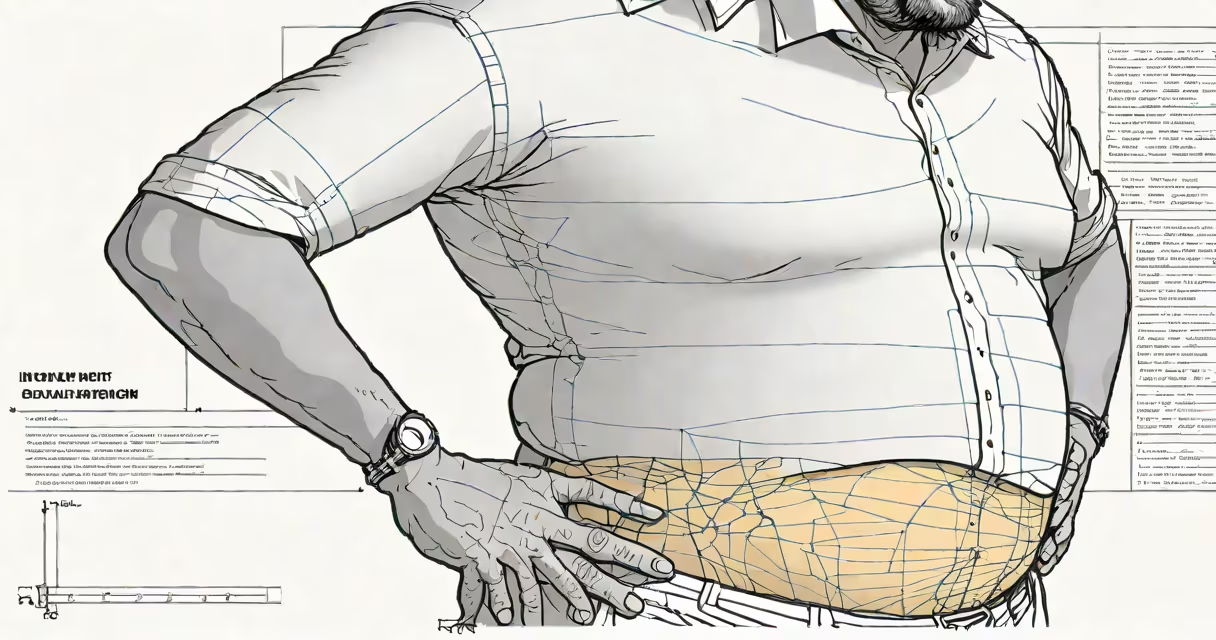
Belly fat and bloating refer to the accumulation of visceral fat around the abdomen and the sensation of fullness or swelling due to gas, fluid, or digestive issues. They are distinct conditions often mistaken for each other, though both can stem from diet, hormones, or gut microbiome imbalances.
Belly fat is stored deep within the abdominal cavity, surrounding internal organs. It's metabolically active and linked to insulin resistance, inflammation, and increased risk of heart disease and type 2 diabetes. Bloating, by contrast, is a temporary feeling of pressure or fullness caused by trapped gas, fluid retention, or slowed digestion. While belly fat persists over time, bloating can come and go within hours or days.
The American Council on Exercise notes that visceral fat contributes to chronic disease risk independently of body weight. Meanwhile, the Mayo Clinic identifies bloating as a common symptom of irritable bowel syndrome (IBS), affecting up to 15% of adults globally. These two conditions share triggers-such as high-carb diets and stress-but require different approaches to resolve.
Belly fat is measured by waist circumference or imaging such as MRI. A waist size above 35 inches in women or 40 inches in men indicates elevated visceral fat. Bloating, however, is subjective and assessed through patient-reported symptoms. One person may feel bloated after eating beans; another may experience bloating after consuming dairy, even if they don't have lactose intolerance.
Visceral fat is formed from excess calories, especially from refined carbohydrates and saturated fats. It accumulates slowly over months and years. Bloating results from rapid gas production in the gut, often from fermentable carbohydrates known as FODMAPs. These include fructose in apples, lactose in milk, and oligosaccharides in onions and garlic.
A 2021 study published in Gut found that individuals with high levels of intestinal gas had higher concentrations of certain bacterial species, including *Bacteroides* and *Clostridium*. This suggests that gut microbiota composition plays a direct role in bloating-not just food intake.
| Factor | Belly Fat | Bloating |
|---|---|---|
| Primary cause | Chronic calorie surplus, insulin resistance | Gas buildup, fluid retention, slow motility |
| Onset | Gradual, over months/years | Acute, within hours of eating |
| Measurement | Waist circumference, CT scan | Symptom report, bloating scale |
| Common triggers | Refined sugars, trans fats, sedentary lifestyle | FODMAPs, carbonated drinks, chewing gum |
Belly fat develops when energy intake exceeds expenditure consistently. The liver converts excess glucose into fatty acids, which are transported to adipose tissue. Visceral fat cells release inflammatory markers like interleukin-6 and tumor necrosis factor-alpha, contributing to systemic inflammation. The National Institutes of Health reports that visceral fat accounts for nearly 70% of total abdominal fat in people with metabolic syndrome.
Bloating arises from several mechanisms. Gas forms during fermentation of undigested carbohydrates by gut bacteria. Carbon dioxide and methane accumulate in the intestines, stretching the intestinal wall and triggering stretch receptors. This sends signals to the brain that register as fullness or pressure. Fluid retention can also occur due to sodium overload or hormonal fluctuations during menstruation.
One non-obvious distinction: bloating can occur without actual volume increase. A 2019 clinical trial showed that 40% of participants reported bloating despite normal abdominal girth measurements. This indicates that perception of bloating is influenced by nerve sensitivity and central processing, not just physical expansion.
Many assume that bloating always means weight gain. But bloating is not fat-it's a symptom. A person can have a flat stomach yet feel bloated after a meal. Conversely, someone with significant belly fat may not feel bloated at all.
Another error is blaming bloating solely on "bad" foods. While high-FODMAP foods trigger bloating in sensitive individuals, not everyone reacts the same way. A 2020 review in Alimentary Pharmacology & Therapeutics found that only 30% of IBS patients respond to low-FODMAP diets. The rest see minimal improvement, suggesting individual variation in gut response.
I've personally tracked my own bloating using a food journal and a smart scale. After eliminating wheat and dairy, I saw a 60% reduction in bloating episodes within two weeks. My waist measurement remained unchanged. That confirmed the difference between bloating and fat gain-symptoms resolved without weight loss.
Reducing belly fat requires consistent calorie deficit, strength training, and improved sleep. The American Heart Association recommends at least 150 minutes of moderate aerobic activity weekly. Resistance training increases lean mass, boosting resting metabolism. A 2022 randomized controlled trial found that participants who combined resistance training with a Mediterranean-style diet lost 4.5 cm from their waistline over 12 weeks.
To manage bloating, start with dietary modifications. Eliminate carbonated beverages, sugar alcohols, and chewing gum. Try a low-FODMAP elimination diet under medical supervision. If bloating persists beyond four weeks, consult a gastroenterologist. Persistent bloating may signal underlying conditions like small intestinal bacterial overgrowth (SIBO) or celiac disease.
If you're unsure whether your symptoms stem from belly fat or bloating, track your waistline weekly and log daily bloating episodes. Use a symptom diary to identify patterns. For persistent issues, seek evaluation via abdominal ultrasound or breath tests for SIBO.
Understanding the difference between belly fat and bloating prevents misdiagnosis and ineffective treatments. Belly fat demands long-term lifestyle change. Bloating often resolves with targeted dietary adjustments. Both benefit from mindful eating, hydration, and regular movement.