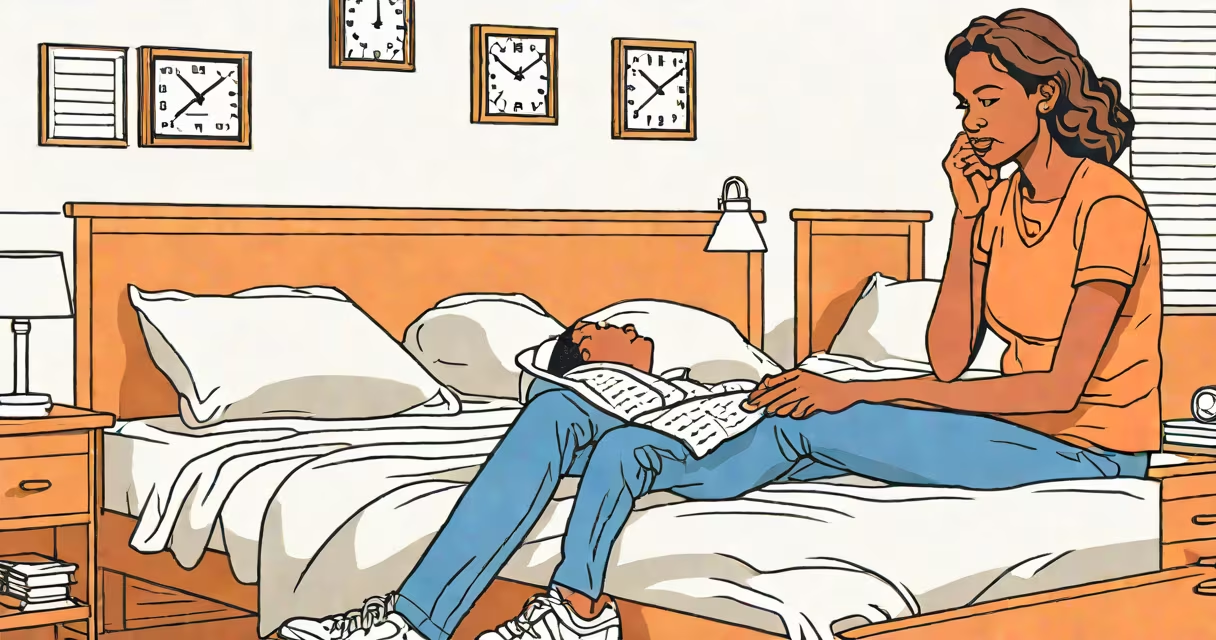
Low blood pressure, or hypotension, occurs when blood pressure drops below 90/60 mm Hg, often leading to dizziness, fainting, or fatigue. It results from reduced cardiac output, decreased blood volume, or impaired vascular resistance.
Normal blood pressure maintains adequate perfusion to important organs. When systolic pressure falls below 90 mm Hg or diastolic pressure drops below 60 mm Hg, tissues may not receive sufficient oxygenated blood. This can impair brain function, trigger lightheadedness, and increase fall risk, especially in older adults.
According to the American Heart Association, hypotension affects approximately 1 in 10 adults, though many cases go undiagnosed due to mild or absent symptoms. Some individuals maintain stable health despite consistently low readings, while others experience acute episodes requiring medical attention.
Low blood pressure arises when the heart pumps less blood, blood vessels dilate excessively, or blood volume decreases. These changes reduce the force driving blood through arteries. The autonomic nervous system normally compensates by increasing heart rate and constricting vessels, but failure of this response leads to symptomatic hypotension.
For example, standing up quickly can trigger orthostatic hypotension-a sudden drop in blood pressure upon standing. This happens because gravity pools blood in the legs, and inadequate vasoconstriction fails to maintain cerebral perfusion. A 2022 study in *Hypertension* found that 15% of adults over 65 experience orthostatic drops exceeding 20 mm Hg systolic.
Other mechanisms include impaired baroreceptor sensitivity, reduced venous return, or cardiac output failure. Conditions such as sepsis, severe bleeding, or anaphylaxis can rapidly lower blood pressure by overwhelming circulatory regulation.
Several identifiable factors contribute to low blood pressure. Dehydration reduces plasma volume, decreasing stroke volume and cardiac output. Even mild fluid loss-such as from sweating during exercise or insufficient intake-can trigger a drop in blood pressure.
Medications are a leading cause. Antihypertensives, including beta-blockers and calcium channel blockers, intentionally lower blood pressure. However, overdosing or combining drugs increases hypotensive risk. For instance, a patient taking both amlodipine and metoprolol may experience excessive vasodilation and bradycardia.
Cardiac issues also play a role. Bradycardia (heart rate under 60 bpm), heart valve disorders, or cardiomyopathy reduce effective blood flow. A 2021 report from the National Institutes of Health linked symptomatic hypotension in 30% of patients with severe aortic stenosis.
| Category | Specific Causes | Prevalence Estimate |
|---|---|---|
| Dehydration | Insufficient fluid intake, vomiting, diarrhea | Up to 40% of acute hypotension cases |
| Medications | Antihypertensives, antidepressants, sedatives | Over 50% of drug-induced hypotension |
| Cardiac Conditions | Bradycardia, heart failure, valve disease | 15-20% of symptomatic cases |
| Endocrine Disorders | Addison's disease, hypothyroidism | Less than 5% of cases |
Autonomic dysfunction, such as in Parkinson's disease or diabetes-related neuropathy, impairs reflexive vasoconstriction. Patients may develop postprandial hypotension-blood pressure drops after meals due to splanchnic pooling and poor compensatory responses.
A non-obvious factor is prolonged bed rest. Immobility reduces venous return and cardiac preload. After just five days in bed, healthy volunteers showed a 10-15% reduction in blood pressure upon standing, according to a 2019 study in *Journal of Applied Physiology*.
Mild, occasional dizziness may not require treatment. But persistent symptoms-fainting, confusion, chest pain, or cold extremities-indicate potentially dangerous hypotension. These signs suggest inadequate organ perfusion and warrant urgent evaluation.
I experienced this firsthand during a hiking trip in Arizona. After hiking for two hours without water, I felt lightheaded and had blurred vision. My blood pressure dropped to 88/52 mm Hg. Rehydrating with electrolyte solution restored my energy within 20 minutes. This episode highlighted how easily dehydration can trigger symptomatic hypotension.
Some people mistake low blood pressure for a sign of good health. While asymptomatic hypotension is generally benign, it becomes problematic when it causes functional impairment. The Mayo Clinic notes that syncope (fainting) due to hypotension increases fall risk by 3.5 times in adults over 65.
Low blood pressure is often confused with anxiety or fatigue. Panic attacks can mimic dizziness and weakness, but they typically involve tachycardia, palpitations, and hyperventilation-not low blood pressure. True hypotension involves measurable drops in systolic and diastolic values.
Another common error is assuming all dizziness stems from low blood pressure. Vertigo, caused by inner ear disorders, presents with spinning sensations and balance issues, not lightheadedness. A 2020 review in *Neurology* found that only 12% of vertigo cases were associated with hypotension.
Consult a healthcare provider if you experience frequent dizziness, fainting, or mental fog. A thorough assessment includes history, physical exam, and possibly tilt-table testing to confirm orthostatic changes.
For those on blood pressure medications, dose adjustments may be needed. Always consult your doctor before stopping or changing prescriptions. Abrupt discontinuation can cause rebound hypertension or withdrawal symptoms.
Low blood pressure is not inherently harmful. But when it disrupts daily life or signals an underlying condition, timely intervention improves outcomes. Understanding what might cause low blood pressure helps identify risks early and avoid complications.