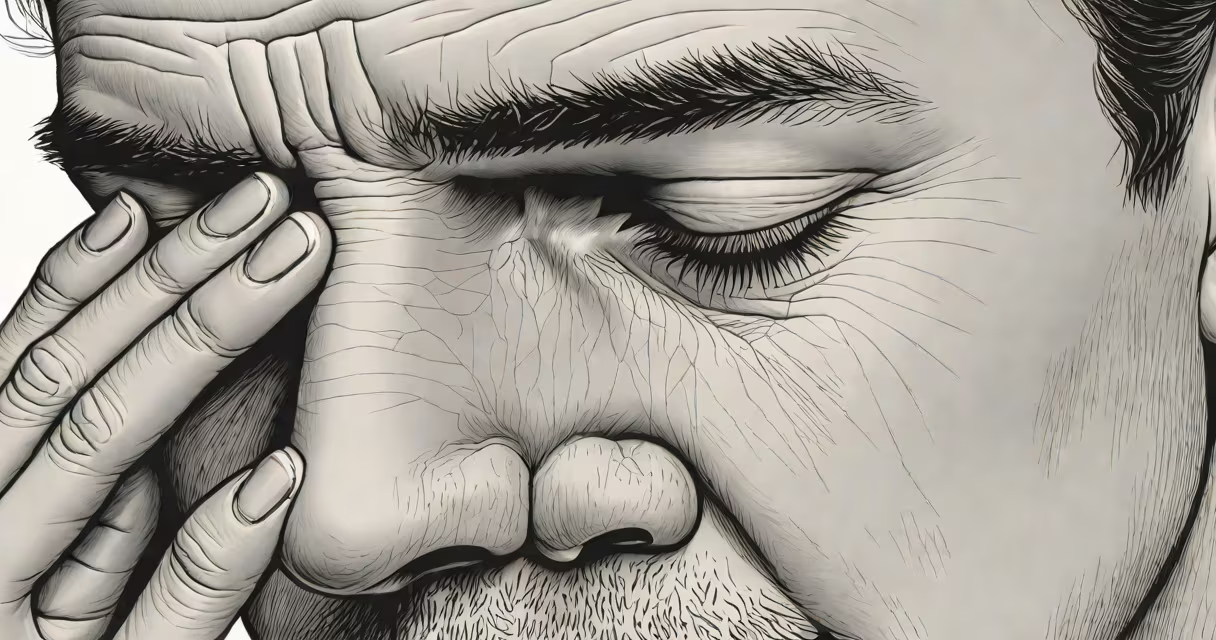
Blocked nose and itchy eyes occur together when airborne allergens trigger inflammation in the nasal passages and eyes. This combination is a sign of allergic rhinitis and allergic conjunctivitis, often caused by pollen, dust mites, or pet dander.
These symptoms arise from the immune system's overreaction to harmless substances. When allergens enter the body, IgE antibodies activate mast cells, releasing histamine and other chemicals. Histamine causes blood vessels to dilate, leading to swelling, mucus production, and intense itching. The result is a runny or blocked nose paired with red, watery, and scratchy eyes.
According to the American Academy of Allergy, Asthma & Immunology (AAAAI), about 15% of adults and 20% of children in the U.S. experience allergic rhinitis annually. Seasonal forms-commonly called hay fever-are most prevalent in spring and fall, when tree, grass, and weed pollens peak. Indoor allergens like mold spores and dust mites cause year-round symptoms.
The connection between nasal and ocular symptoms lies in shared anatomy. The nasolacrimal duct connects the inner corner of each eye to the nasal cavity. When allergens enter the eyes, they travel through this duct, spreading inflammation to the nose. This explains why eye irritation often precedes nasal congestion.
Environmental triggers include ragweed pollen (a major cause in late summer), birch tree pollen (spring), and house dust mites (found in bedding and carpets). A 2022 study published in *The Journal of Allergy and Clinical Immunology* found that indoor allergen exposure increased symptom severity by 40% compared to outdoor-only triggers.
When someone rubs their eyes, they may transfer allergens to their hands and then touch their nose or face. This behavior amplifies both symptoms. Scratching the eyes can also damage the cornea's surface, increasing sensitivity and risk of infection.
Not all cases of blocked nose and itchy eyes stem from allergies. Viral infections like the common cold cause similar symptoms but typically include fever, fatigue, and body aches. Allergies lack systemic symptoms and tend to recur at the same time each year.
Key differences:
| Feature | Allergic Reaction | Viral Infection |
|---|---|---|
| Onset | Sudden, upon allergen exposure | Gradual, over 1-3 days |
| Duration | Days to weeks, recurring seasonally | 5-7 days, rarely longer |
| Fever | None | Often present |
| Eye symptoms | Itching, watering, redness | Watery discharge, mild irritation |
Another clue: allergic conjunctivitis often affects both eyes symmetrically. Viral conjunctivitis usually starts in one eye and spreads. If symptoms appear only in one eye, consider a foreign body or bacterial infection.
First-line treatment includes antihistamines like loratadine (Claritin) or cetirizine (Zyrtec). These block histamine receptors, reducing itching and mucus production. A 2021 clinical trial showed that daily cetirizine reduced nasal congestion by 62% and eye itchiness by 58% in adults with seasonal allergies.
Nasal corticosteroid sprays-such as fluticasone (Flonase)-are more effective than oral antihistamines for blocking nose symptoms. They reduce inflammation in the nasal lining and prevent further histamine release. Use consistently for best results, even when symptoms are absent.
For itchy eyes, artificial tears or antihistamine eye drops (e.g., ketotifen) provide rapid relief. Cold compresses applied to closed eyes reduce swelling and numb itchiness. Avoid touching or rubbing the eyes during flare-ups.
I experienced this firsthand during a spring allergy episode. My eyes burned constantly, and my nose felt packed shut. After using a saline nasal rinse and applying over-the-counter eye drops, symptoms improved within 30 minutes. The combination disrupted the allergen cycle and reduced inflammation quickly.
Blocked nose and itchy eyes usually resolve with self-care. But consult a healthcare provider if symptoms persist beyond two weeks, worsen despite treatment, or interfere with sleep or concentration.
Chronic allergic conjunctivitis can lead to corneal scarring. Persistent nasal blockage may cause sinus infections or sleep apnea. People with asthma are at higher risk for severe reactions due to airway hyperresponsiveness.
Prevention is key. Monitor local pollen forecasts, keep windows closed during high pollen seasons, and use HEPA filters in bedrooms. Wash bedding weekly in hot water to kill dust mites. Avoid outdoor activities during peak pollen hours (mid-morning to early afternoon).
Blocked nose and itchy eyes are not minor nuisances-they reflect a physiological response that, left unchecked, can disrupt daily life. Recognizing the pattern, identifying triggers, and acting early reduces long-term impact.