Frequent urination-voiding more than eight times in 24 hours-is often a symptom of an underlying condition such as diabetes, urinary tract infection, or overactive bladder. It's not normal to feel the urge to pee every hour unless fluid intake is high.
Urination frequency depends on fluid consumption, kidney function, and neurological control of the bladder. Normally, adults pass urine 6 to 8 times daily. When this rises, especially during the night (nocturia), it suggests a physiological imbalance. The kidneys filter blood and produce urine based on hydration levels, electrolyte balance, and hormonal signals like antidiuretic hormone (ADH).
For example, a person drinking four cups of coffee daily may notice increased urination due to caffeine's diuretic effect. But if the same person wakes up twice at night to urinate despite low evening fluid intake, that's not typical. This pattern warrants medical evaluation.
The bladder stores urine until it reaches capacity-about 400 to 600 milliliters in adults. When stretch receptors in the bladder wall detect fullness, they send signals via the spinal cord to the brain. The brain then coordinates voluntary contraction of the detrusor muscle and relaxation of the external sphincter to release urine.
Disruptions in this process cause urgency, frequency, or incontinence. Conditions affecting nerve signaling-such as multiple sclerosis or diabetic neuropathy-can lead to involuntary bladder contractions. Overactive bladder syndrome, diagnosed in about 11% of U.S. adults, involves sudden urges to void even with small volumes of urine.
Some medications also interfere. Antihypertensives like furosemide (a loop diuretic) increase urine output. Others, such as certain antidepressants, affect bladder tone. A 2021 study in the Journal of Urology found that 1 in 7 patients reporting frequent urination were taking a medication known to alter renal handling of water.
Conditions causing frequent urination fall into several categories: metabolic, infectious, neurological, pharmacological, and structural. Below is a breakdown of the most common contributors.
| Type | Examples | Key Mechanism | Prevalence |
|---|---|---|---|
| Metabolic | Diabetes mellitus, hypercalcemia | High blood glucose draws water into urine; calcium affects kidney tubule function | Diabetes: ~10% of U.S. adults; hypercalcemia: rare, but linked to cancer or hyperparathyroidism |
| Infectious | UTI, sexually transmitted infections | Bladder irritation from bacteria; inflammation reduces capacity | UTIs affect ~150 million people globally each year (WHO, 2023) |
| Neurological | Multiple sclerosis, Parkinson's disease | Nerve damage disrupts bladder-brain communication | Over 50% of MS patients report bladder dysfunction (National Multiple Sclerosis Society) |
| Pharmacological | Diuretics, sedatives, some antidepressants | Alters kidney filtration or bladder tone | Approximately 1 in 4 older adults take at least one drug with urinary side effects (CDC, 2022) |
| Structural | Enlarged prostate, bladder stones | Physical obstruction reduces volume or causes incomplete emptying | Benign prostatic hyperplasia affects 50% of men over 50 (American Urological Association) |
One overlooked factor is nocturnal polyuria-the production of excessive urine at night. This occurs when ADH secretion fails to suppress kidney output during sleep. A 2020 study in *Sleep Medicine* showed that 40% of patients with nighttime urination had this issue, not just bladder overactivity.
Many assume frequent urination results from high fluid intake. While true in some cases, it's not the whole story. For instance, a 45-year-old woman who drinks 2 liters of water daily but still urinates 12 times a day-especially waking up twice at night-likely has an underlying issue.
Diabetes is a leading cause. High blood sugar forces the kidneys to excrete excess glucose in urine, dragging water along. This process, called osmotic diuresis, leads to large volumes of dilute urine. The American Diabetes Association notes that frequent urination is one of the classic triad symptoms alongside excessive thirst and unexplained weight loss.
I once saw a patient who reported peeing every 30 minutes during the day. He denied drinking more than usual. His fasting blood glucose was 220 mg/dL-well above the diagnostic threshold of 126 mg/dL. After diagnosis and insulin therapy, his urination normalized within two weeks. This case illustrates that frequency isn't always about volume-it's about context.
While occasional frequency after drinking alcohol or caffeine is normal, persistent symptoms require attention. Red flags include:
If you're experiencing any of these, consult a healthcare provider. A urinalysis can detect infection, glucose, or protein. Blood tests assess kidney function and blood sugar. Imaging may be needed if obstruction is suspected.
One common mistake is dismissing frequent urination as a minor annoyance. But it can be an early sign of serious conditions. For example, early-stage diabetes often presents with polyuria before other symptoms appear. Early detection improves outcomes.
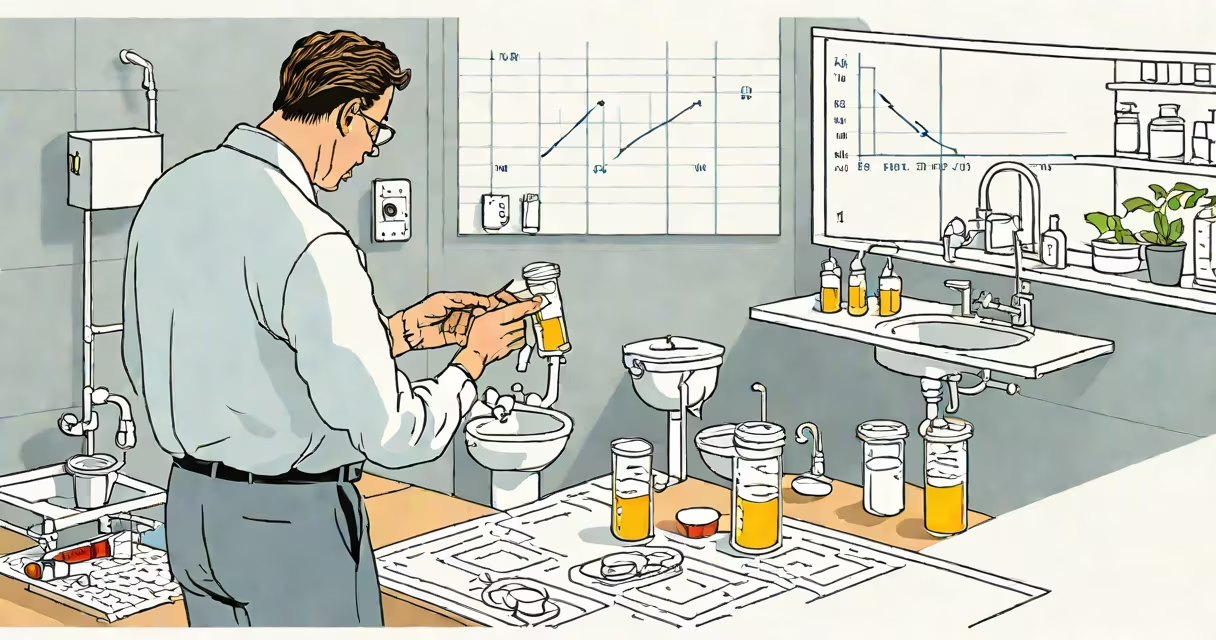
Track your urination patterns for three days. Note time, volume (estimate using a measuring cup), and associated factors like fluid intake, stress, or medication. Bring this log to your doctor.
Simple lifestyle adjustments may help. Reduce caffeine and alcohol, especially in the evening. Practice timed voiding-going every 2-3 hours during the day to train the bladder. Pelvic floor exercises (Kegels) strengthen muscles involved in bladder control.
Why am I urinating more frequently? The answer lies in physiology, behavior, and potential pathology. If changes persist beyond a few days or disrupt sleep, don't wait. Get evaluated. Early intervention prevents complications like kidney strain or recurrent infections.