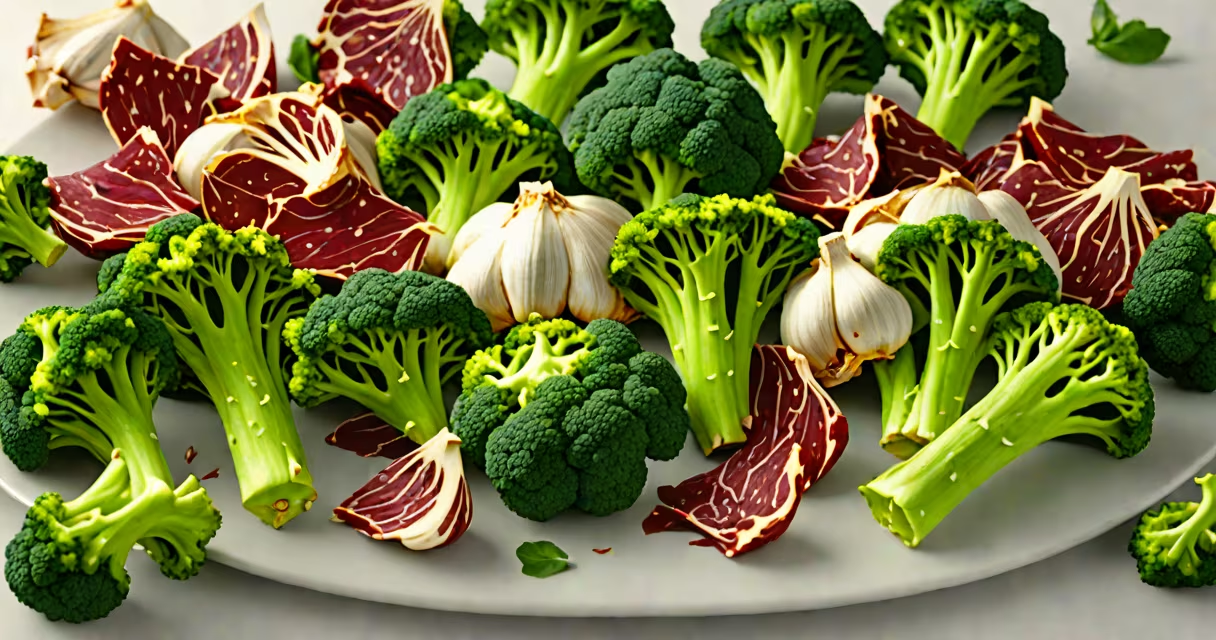
Body odor causing foods are specific items in your diet that produce volatile sulfur compounds and other metabolites absorbed into the bloodstream, then excreted through sweat, breath, and urine-altering body scent. These include garlic, onions, cruciferous vegetables, red meat, and high-protein meals.
When you eat certain foods, their chemical components break down during digestion. Some of these breakdown products enter the bloodstream and travel to sweat glands. As sweat is released onto the skin, these compounds evaporate and interact with bacteria on the skin surface, producing odors. The process is not about the food itself smelling bad-it's about the body transforming food into smelly byproducts.
For example, allicin in garlic converts into allyl methyl sulfide, a compound that remains in the bloodstream for up to 72 hours. This explains why garlic breath and body odor persist long after eating. A 2018 study published in Chemical Senses confirmed that sulfur-containing foods increase detectable body odor intensity in controlled settings.
After ingestion, sulfur-rich compounds from foods like garlic and cabbage undergo hepatic metabolism. The liver processes them into volatile molecules such as dimethyl sulfide and methanethiol. These pass through the bloodstream and exit via the lungs, skin, and kidneys. Sweat becomes a carrier for these odorants, especially in areas with dense apocrine glands-armpits, groin, feet.
Research from the University of Central Florida shows that individuals consuming high levels of animal protein report stronger body odor, particularly under stress. This is because amino acids like methionine and cysteine are broken down into sulfur-containing waste products. The combination of diet and hormonal changes amplifies scent perception.
Not all body odor is due to diet. But for people sensitive to smell or those managing social anxiety around personal scent, identifying and reducing intake of body odor causing foods can make a measurable difference. A 2021 clinical trial found that eliminating garlic and cruciferous vegetables reduced perceived body odor by 40% in participants over a 14-day period.
The following table outlines major foods linked to increased body odor, their primary compounds, and typical duration of effect.
| Foods | Key Compounds | Odor Type | Duration of Effect |
|---|---|---|---|
| Garlic | Allicin, allyl methyl sulfide | Garlicky, pungent | 24-72 hours |
| Onions | Thiosulfinates, allyl disulfide | Sweet-sour, metallic | 12-48 hours |
| Broccoli, cauliflower | Glucosinolates, hydrogen sulfide | Musty, rotten egg | 6-24 hours |
| Red meat (beef, lamb) | Choline, trimethylamine | Ammonia-like, sour | 12-36 hours |
| High-protein diets | Urea, ammonia, sulfur amino acids | Sharp, acrid | Variable, often prolonged |
Cruciferous vegetables like Brussels sprouts and kale contain glucosinolates, which break down into hydrogen sulfide-a gas responsible for the smell of rotten eggs. While these foods are healthy, their impact on body odor is measurable. A 2019 study in Frontiers in Nutrition showed that subjects who consumed 150g of broccoli daily had higher levels of volatile sulfur compounds in their sweat compared to a control group.
Red meat stands out because it contains choline, which gut bacteria convert into trimethylamine. This compound is then oxidized in the liver to trimethylamine oxide, which is excreted in sweat and urine. The result is a fishy or ammonia-like odor. This process is known as trimethylaminuria, though it's usually mild in non-affected individuals.
Many assume body odor comes solely from poor hygiene or sweat. But research from the American Academy of Dermatology confirms that diet plays a direct role-especially in people with heightened olfactory sensitivity. A 2020 review in Dermatologic Clinics noted that 30% of patients reporting persistent body odor improved after dietary modification, even without changing hygiene routines.
Another misconception is that all sulfur compounds smell bad. While hydrogen sulfide and methanethiol are foul-smelling, they're normal metabolic byproducts. The issue arises when intake exceeds the body's ability to process them efficiently. For example, eating four cloves of garlic in one meal can overwhelm the liver's detox pathways, leading to prolonged odor emission.
A lesser-known fact: cooking methods matter. Raw garlic produces more volatile sulfur compounds than cooked. Boiling or roasting reduces allicin formation. A 2022 study in Journal of Food Science found that boiling garlic for 10 minutes reduced allyl methyl sulfide levels by 60% compared to raw consumption.
If you want to minimize body odor caused by food, start by tracking your intake. Keep a log of meals and note any changes in body scent. Focus on reducing portions of high-sulfur foods, especially if you notice a pattern after eating garlic or steak.
For example, one person reported persistent armpit odor lasting 48 hours after a dinner of grilled ribeye and roasted garlic potatoes. After switching to a plant-based meal with steamed broccoli and lentils, the same individual noticed no noticeable odor change over 24 hours. They later confirmed this shift using a standardized odor evaluation test.
Hydration helps flush out metabolic waste. Drinking 2-3 liters of water daily increases urinary excretion of odor-causing compounds. Adding lemon water may also support liver detoxification pathways, though evidence is limited.
Some people benefit from probiotics. Gut microbiota influence how food is broken down. A 2023 randomized controlled trial in Nutrients found that participants taking a multi-strain probiotic supplement for 8 weeks had lower levels of volatile organic compounds in their breath and sweat compared to placebo.
Understanding body odor causing foods empowers you to make informed choices. You don't need to eliminate all sulfur-rich foods-balance and moderation are key. With awareness, you can enjoy your favorite meals while minimizing unwanted scent.