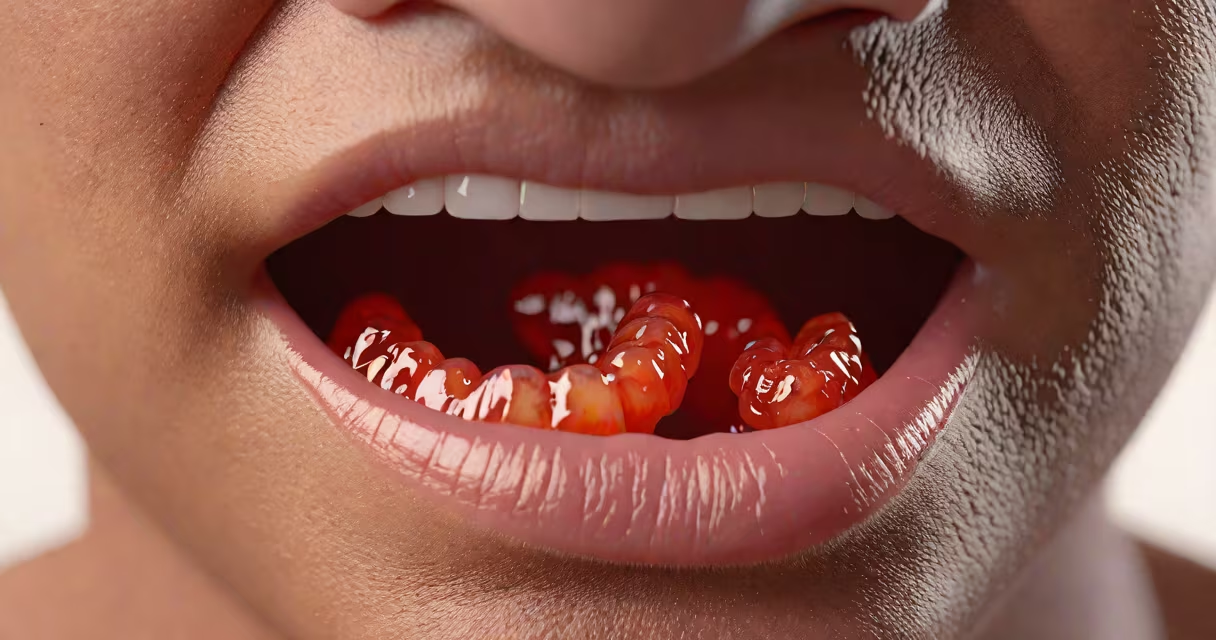
Strep throat results from infection with group A Streptococcus bacteria, primarily transmitted through respiratory droplets during close contact with an infected person. The bacteria enter the body via the mouth or nose, leading to inflammation and symptoms like sore throat, fever, and swollen lymph nodes.
Group A Streptococcus (GAS) is responsible for most cases of strep throat. According to the Centers for Disease Control and Prevention (CDC), these bacteria spread through saliva, nasal secretions, or direct contact with an infected individual's skin lesions. The incubation period ranges from 1 to 5 days after exposure, and individuals remain contagious until they've completed at least 24 hours of antibiotic treatment.
Transmission occurs most frequently in settings with close human interaction-schools, dormitories, military barracks, and households. Children aged 5 to 15 are most vulnerable due to frequent close contact and underdeveloped immune responses. Adults can contract strep throat too, though less commonly than children.
Direct person-to-person contact is the primary route of transmission. An infected person coughs or sneezes, releasing droplets into the air. These droplets land on surfaces or are inhaled by nearby individuals. Touching contaminated surfaces-like doorknobs, utensils, or shared bathroom fixtures-and then touching the face, especially the mouth or nose, can transfer the bacteria.
A study published in *The Lancet Infectious Diseases* found that asymptomatic carriers can shed GAS for weeks without showing symptoms, making them silent contributors to outbreaks. This explains why strep infections often appear in clusters within families or classrooms despite no one initially feeling ill.
Sharing food, drinks, or personal items like toothbrushes increases risk. For example, a child using a shared water bottle in school may inhale droplets expelled by a classmate with untreated strep throat. The bacteria survive on dry surfaces for up to 48 hours, depending on environmental conditions.
Children between ages 5 and 15 have the highest incidence rates. The CDC reports that approximately 10-20% of sore throats in children are caused by group A Streptococcus, compared to only 5-10% in adults. This difference stems from higher exposure in school environments and less mature immunity.
Individuals in crowded living conditions-such as college dorms, prisons, or shelters-are at elevated risk. Outbreaks in these settings often involve multiple cases within a short timeframe. For instance, a 2022 outbreak in a university residence hall linked five cases to a single roommate with untreated strep throat.
People with weakened immune systems, chronic illnesses, or recent viral infections are more susceptible. A viral upper respiratory infection can damage the mucosal lining of the throat, creating entry points for GAS. This is why strep throat sometimes follows a cold or flu.
| Risk Factor | Increased Likelihood | Example |
|---|---|---|
| Age 5-15 | High | Child in elementary school with sore throat and fever |
| Crowded living spaces | Very high | College student sharing a kitchen with roommates |
| Recent viral illness | Moderate to high | Adult with lingering sore throat after a cold |
| Unwashed hands | High | Person touching a doorknob then rubbing their eyes |
Strep throat is not caused by the flu virus. While both can cause sore throat and fever, they are distinct pathogens. The flu is caused by influenza viruses, whereas strep throat is bacterial. Confusing the two leads to inappropriate use of antivirals or antibiotics.
Some believe strep throat only spreads through kissing. While intimate contact increases risk, it's not the only route. Droplet transmission during conversation, shared eating utensils, or breathing in airborne particles from a cough is equally effective. A 2021 study in *Clinical Infectious Diseases* showed that 68% of household transmissions occurred through non-kissing contact.
Another misconception is that strep throat only happens in winter. Although cases peak in late fall and winter, strep infections occur year-round. Seasonal patterns are influenced by indoor crowding, not the bacteria itself. In tropical climates, strep throat remains prevalent throughout the year.
In October 2023, a third-grade classroom in suburban Ohio reported six cases of strep throat within two weeks. All affected students had attended the same school. The index case was a 9-year-old boy who developed a sore throat on Monday and returned to school on Wednesday after his parents assumed he was "over it."
By Friday, three classmates had similar symptoms. The school nurse collected throat swabs and confirmed group A Streptococcus in four cases. Contact tracing revealed that the boy had shared a juice box with a classmate and used a common pencil sharpener. The school closed for disinfection and advised symptomatic students to stay home for 24 hours after starting antibiotics.
This case illustrates how easily GAS spreads in close quarters. The bacteria survived on plastic and metal surfaces long enough to infect others. It also shows the importance of symptom awareness and isolation during the early phase of illness.
Washing hands regularly with soap and water for at least 20 seconds reduces transmission risk by up to 50%, according to the CDC. Avoid sharing drinking glasses, straws, or utensils. Disinfect frequently touched surfaces daily, especially in shared spaces.
If someone in the household has strep throat, use separate towels, washcloths, and bedding. The infected person should cover their mouth when coughing and dispose of tissues immediately. These steps limit exposure to respiratory droplets.
When symptoms appear-sudden sore throat, fever above 101°F (38.3°C), white patches on tonsils, swollen lymph nodes-seek medical evaluation. A rapid antigen test or throat culture confirms the diagnosis. Antibiotics like penicillin or amoxicillin are prescribed to reduce severity and prevent complications such as rheumatic fever or post-streptococcal glomerulonephritis.
After starting antibiotics, return to normal activities only after 24 hours of treatment. This prevents spreading the infection to others. If symptoms persist beyond 48 hours on medication, consult a healthcare provider-resistance or misdiagnosis may be involved.