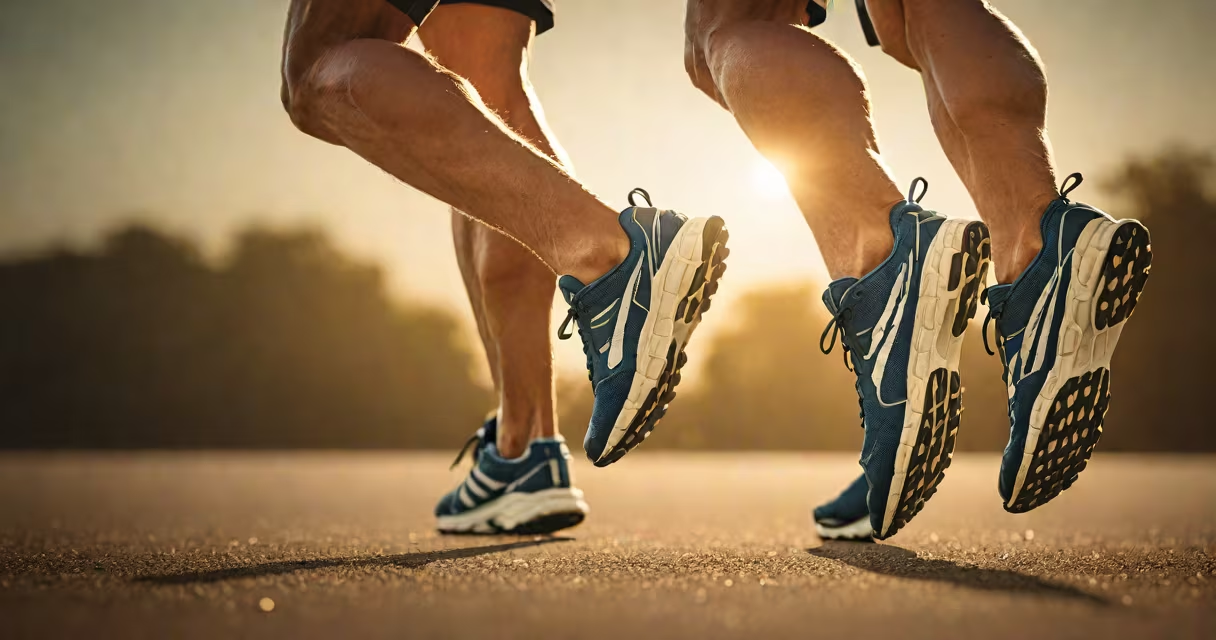
Calf soreness during running is a common discomfort caused by overuse, muscle imbalances, or improper running mechanics. It typically presents as tightness, achiness, or dull pain in the lower leg behind the knee and above the ankle, especially after prolonged or intense activity.
This condition arises when the gastrocnemius and soleus muscles-the primary muscles in the calf-experience microtears due to repetitive stress. Without adequate rest or recovery, inflammation builds, leading to persistent soreness. It differs from acute injury like a strain or tear, which involves sudden sharp pain and often limits movement.
According to the American Council on Exercise (ACE), over 60% of runners report musculoskeletal discomfort in the lower legs annually, with calf soreness among the most frequently cited issues. The condition rarely indicates serious damage but can signal training errors if ignored.
The calf muscles contract repeatedly during each footstrike and push-off phase of running. With each stride, they absorb impact and generate forward propulsion. Over time, especially when increasing mileage too quickly, these demands exceed the muscle's capacity to adapt.
For example, a runner who increases weekly distance from 10 to 20 miles within a week may develop delayed onset muscle soreness (DOMS) in the calves 24-72 hours after long runs. This occurs because the eccentric loading-where muscles lengthen under tension-during downhill running or stride extension places high stress on the fibers.
Research from the Journal of Sports Sciences notes that runners with reduced ankle dorsiflexion (limited upward bending of the foot) show a 34% higher incidence of calf soreness. Tightness in the Achilles tendon or calf muscles reduces range of motion, forcing the muscles to work harder and fatigue faster.
Calf soreness during running falls into two categories: acute and chronic. Acute soreness appears during or shortly after a run and usually resolves with rest. Chronic soreness persists beyond 72 hours or recurs with consistent training.
Key triggers include:
A non-obvious factor: running on uneven terrain. Surfaces like gravel or trails require constant micro-adjustments in calf muscle control. A 2020 study in Foot & Ankle International reported that trail runners experienced 27% more calf soreness than road runners despite similar weekly mileage.
Calf soreness during running is not always benign. Distinguishing between normal fatigue and early warning signs of injury prevents progression to more serious conditions.
Signs that indicate a potential strain or tear include:
If pain persists beyond five days of rest or returns with minimal activity, consult a physical therapist. The National Institute of Arthritis and Musculoskeletal and Skin Diseases (NIAMS) recommends imaging if symptoms last longer than two weeks.
Effective management begins with identifying the root cause. A runner experiencing soreness after hill repeats may benefit from strengthening the posterior chain and improving cadence.
Here's a practical recovery plan based on clinical guidelines:
| Step | Action | Duration/Target |
|---|---|---|
| Rest | Avoid high-impact activity for 2-3 days | Until pain-free at rest |
| Ice | Apply cold pack for 15 minutes, 3x/day | First 48 hours |
| Stretch | Seated toe touch, wall calf stretch | Hold 30 sec, 2x/day |
| Strengthen | Single-leg heel raises on step | 3 sets of 12 reps, 3x/week |
After recovery, prevent recurrence by following the 10% rule: increase weekly mileage by no more than 10%. Incorporate strength training twice weekly, focusing on the lower leg and hip stabilizers.
During my own 10-week half-marathon training cycle, I developed calf soreness after week six. I initially ignored it, thinking it was normal. After two days of worsening tightness, I paused running and began daily stretching. Within four days, pain resolved. I resumed training at 50% volume and added calf-strengthening exercises. No recurrence occurred.
Prevention is more effective than treatment. Warming up with changing movements-leg swings, walking lunges-before runs prepares the calf for load. Cooling down with static stretches improves blood flow and reduces stiffness.
Calf soreness during running is a frequent but manageable issue. Addressing training volume, footwear, and form reduces risk. Recognizing when soreness signals deeper problems avoids setbacks. Consistent recovery and smart training keep runners moving safely.