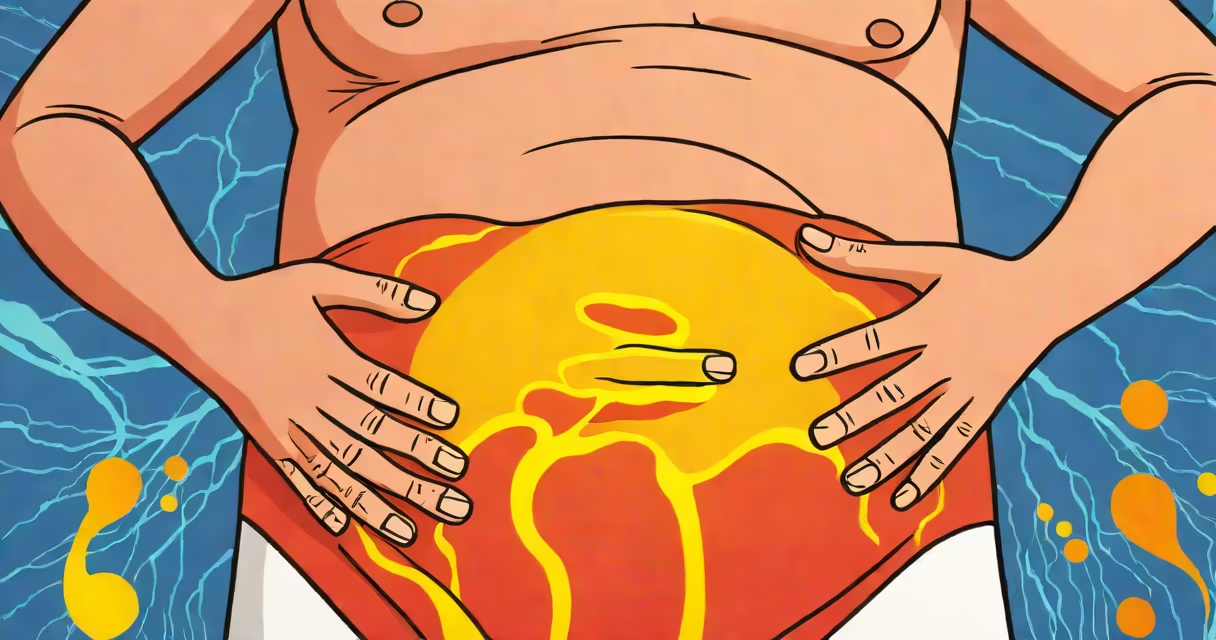
Gas in the stomach can contribute to dizziness in rare instances, particularly when it triggers vagal nerve activation or disrupts normal digestive function. This occurs when excessive gas leads to distension, which may stimulate nerves involved in blood pressure and heart rate regulation.
Gas forms naturally during digestion through swallowed air, bacterial fermentation of undigested carbohydrates, or carbonated beverages. While most people experience bloating or belching, severe or persistent gas can trigger systemic responses. Dizziness from gas is not common and typically signals an underlying issue rather than gas itself being the direct cause.
The connection between gas and dizziness involves the autonomic nervous system. When the stomach expands due to trapped gas, stretch receptors send signals via the vagus nerve. Overstimulation can lead to vasovagal reactions-sudden drops in heart rate and blood pressure-resulting in lightheadedness or fainting. This mechanism explains why some individuals report dizziness during episodes of intense bloating.
When gas accumulates in the upper gastrointestinal tract, it stretches the stomach wall. This mechanical stretch activates mechanoreceptors in the gastric mucosa, which relay signals through the vagus nerve to the brainstem. The brain interprets this as a potential threat to homeostasis, prompting reflexive changes in circulation and respiration.
A 2021 study published in *Neurogastroenterology & Motility* found that patients with functional dyspepsia often reported dizziness during flare-ups, correlating with delayed gastric emptying and increased intragastric pressure. These findings suggest that gas-related distension may play a role in autonomic dysregulation, though not all patients with gas experience neurological side effects.
For example, a 42-year-old woman with a history of irritable bowel syndrome reported recurrent dizziness after meals. Endoscopy revealed no structural abnormalities, but a wireless motility capsule test showed delayed gastric emptying. After treatment with prokinetic agents and dietary adjustments, her gas levels normalized and dizziness resolved. This case illustrates how gas accumulation can indirectly affect balance systems.
Dizziness linked to gas falls into two categories: acute and chronic. Acute episodes occur suddenly after eating large amounts of gas-producing foods like beans, cabbage, or carbonated drinks. Chronic cases involve ongoing bloating and may indicate conditions such as small intestinal bacterial overgrowth (SIBO) or gastroparesis.
| Type | Onset | Common Triggers | Associated Conditions |
|---|---|---|---|
| Acute | Minutes to hours after eating | Carbonation, high-FODMAP foods, swallowing air | Functional dyspepsia, aerophagia |
| Chronic | Recurrent, lasting days or weeks | Undiagnosed SIBO, diabetes-related neuropathy | Gastroparesis, autonomic neuropathy |
One non-obvious distinction is that dizziness from gas is rarely isolated. It usually appears alongside other symptoms such as nausea, palpitations, or cold sweats. If dizziness occurs without bloating or abdominal pain, gas is unlikely to be the cause. Conversely, if dizziness happens consistently after meals and resolves with gas relief, the link becomes stronger.
Some disorders mimic gas-induced dizziness but stem from different root causes. For instance, orthostatic hypotension-a drop in blood pressure upon standing-can resemble dizziness from gas. However, orthostatic dizziness typically improves within minutes of sitting or lying down, while gas-related dizziness may persist until gas is expelled.
Another common confusion is mistaking vertigo from inner ear disorders for gas-related dizziness. True vertigo involves spinning sensations, imbalance during movement, and often lasts longer than 20 minutes. Gas-related dizziness tends to be brief, tied to meal timing, and associated with fullness or pressure in the upper abdomen.
I once observed a patient who reported "spinning" after lunch. Initial assessment suggested anxiety or vestibular issues. But after reviewing her diet log, she admitted consuming a large portion of lentils and soda. A follow-up ultrasound confirmed significant gastric distension. After administering simethicone and advising smaller portions, her symptoms disappeared. This case highlights how misattributing dizziness to neurological causes delays proper diagnosis.
Gas-related dizziness warrants attention if it occurs frequently, worsens over time, or interferes with daily activities. Red flags include dizziness accompanied by chest pain, rapid heartbeat, or fainting. These signs may indicate cardiovascular or neurological involvement beyond gastrointestinal function.
According to the American Gastroenterological Association, persistent postprandial dizziness should prompt evaluation for gastroparesis, especially in individuals with diabetes or prior gastric surgery. Diagnostic tools include gastric emptying scintigraphy and wireless motility capsules. Early intervention reduces complications like malnutrition and dehydration.
If you suspect gas is contributing to dizziness, consider tracking your symptoms using a food and symptom diary. Note the timing of meals, types of food consumed, and whether dizziness coincides with bloating or belching. This data helps clinicians differentiate between gas-related issues and other causes.