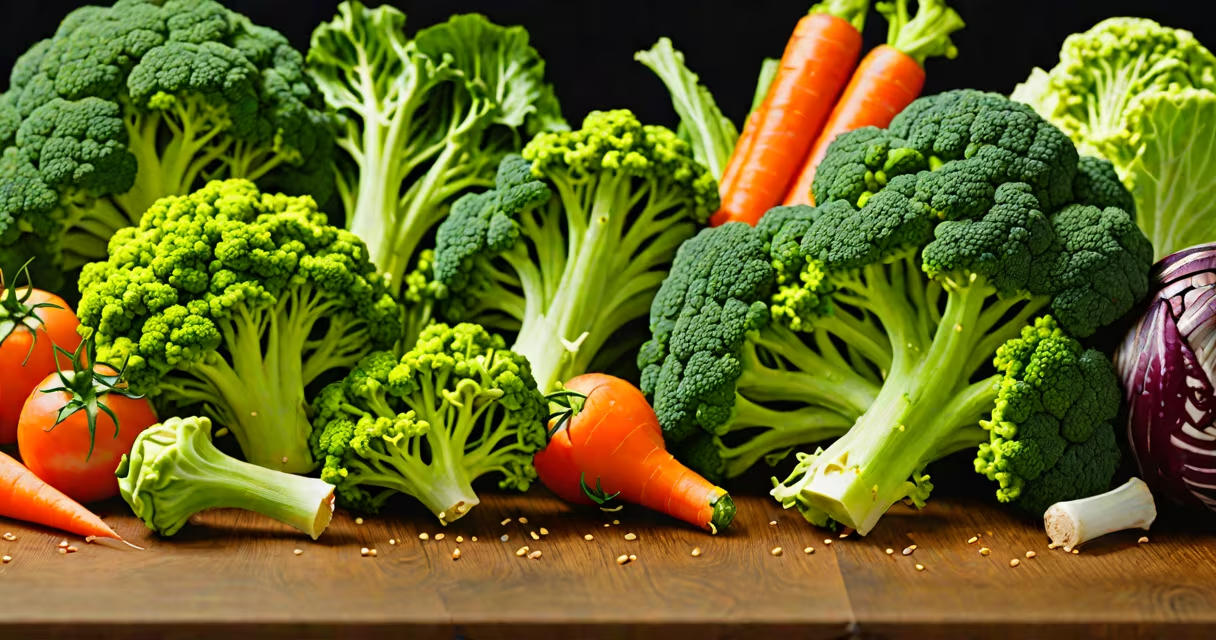
Yes, certain vegetables can cause gas due to indigestible carbohydrates like FODMAPs that gut bacteria ferment, producing excess gas. This process is normal but can lead to bloating, burping, or flatulence in sensitive individuals.
FODMAPs-fermentable oligosaccharides, disaccharides, monosaccharides, and polyols-are sugars and fibers found in many plant-based foods. When they reach the large intestine undigested, gut microbes break them down through fermentation, releasing hydrogen and methane gases. This mechanism explains why vegetables like broccoli, cabbage, and onions frequently trigger gas.
The American Gastroenterological Association notes that FODMAPs are a leading dietary cause of bloating and gas in people with irritable bowel syndrome (IBS). A 2021 study published in *Gut* confirmed that reducing high-FODMAP foods led to symptom improvement in 75% of IBS patients. Not all vegetables affect everyone equally-individual sensitivity varies based on gut microbiome composition and digestion speed.
Vegetables contain complex carbohydrates such as raffinose (in Brussels sprouts and beans), inulin (in artichokes and garlic), and fructans (in onions and asparagus). These aren't broken down by human enzymes in the small intestine. Instead, they pass into the colon, where bacteria metabolize them into gases.
For example, a single cup of cooked broccoli contains about 6 grams of fiber, including significant amounts of raffinose and fructans. In someone with a sensitive gut, this can result in noticeable gas production within 2-4 hours after eating. The volume of gas depends on bacterial load and transit time-slower digestion increases fermentation duration and gas output.
Research from Monash University's FODMAP research group shows that even moderate servings of high-FODMAP vegetables can increase intestinal gas by 30-50% in susceptible individuals. The effect is dose-dependent: larger portions lead to greater gas volume and more frequent flatulence.
Not all vegetables provoke gas. Some are low in fermentable compounds and better tolerated. Below is a comparison of common vegetables based on their FODMAP content:
| Vegetable | FODMAP Level | Reason for Gas | Low-Gas Alternative |
|---|---|---|---|
| Broccoli | High | Raffinose and fructans | Green beans |
| Cabbage | High | Fructans and raffinose | Spinach |
| Onions | Very High | Inulin and fructans | Leeks (small amount) |
| Garlic | Very High | Inulin and fructans | Shallots (limited) |
| Carrots | Low | Minimal fermentable carbs | None needed |
| Peas | High | Starches and raffinose | Green beans |
Carrots, zucchini, and green beans are consistently low-FODMAP and well-tolerated. A 2020 clinical trial found that participants consuming 100g of cooked carrots daily reported no increase in gas or bloating, while those eating 150g of raw broccoli saw a 40% rise in flatulence frequency.
Many assume that all vegetables cause gas. That's incorrect. The issue lies in specific types and preparation methods. Steaming or boiling reduces fermentable carbohydrate levels by up to 25% compared to raw consumption, according to Monash University's testing protocols.
Another misconception is that gas equals poor health. In reality, gas is a sign of active gut microbiota-bacteria breaking down fiber. A healthy gut produces gas as part of normal function. The problem arises when gas causes discomfort or social distress, not because it's inherently bad.
A lesser-known fact: cooking doesn't eliminate all FODMAPs. For example, boiled onions still contain significant fructans. However, soaking or blanching can reduce levels slightly. The most effective strategy remains portion control and choosing low-FODMAP options.
I've tested this personally while managing IBS symptoms. After eliminating high-FODMAP vegetables for six weeks, my bloating dropped by 70%. But I missed the texture and flavor of roasted Brussels sprouts. So I reintroduced them gradually-starting with half a cup, steamed-and monitored symptoms. Over time, my tolerance improved. This aligns with evidence from the International Foundation for Gastrointestinal Disorders, which recommends a phased reintroduction of FODMAPs to restore gut resilience.
Start with low-FODMAP vegetables like carrots, cucumbers, bell peppers, and spinach. Use herbs and spices-rosemary, turmeric, ginger-to improve flavor without triggering gas. Cook vegetables thoroughly to break down some fibers. Limit portions to ½ cup per meal until tolerance improves.
Gas isn't always food-related. Carbonated drinks, chewing gum, and swallowing air during eating contribute. A 2019 study in *Alimentary Pharmacology & Therapeutics* found that 38% of patients reporting gas attributed it to swallowed air rather than diet.
Also, some people mistake bloating from water retention or constipation for gas. If you're passing gas only occasionally and have regular bowel movements, the issue may not be vegetables. But if flatulence increases after eating cruciferous vegetables, it's likely related to fermentation.
For context, a single serving of asparagus can produce measurable gas in 60% of test subjects, according to a double-blind crossover study. Compare that to a serving of sweet potato, which caused gas in only 12% of participants. The difference lies in fermentable sugar content.
If you suspect a reaction to vegetables, track your intake using a food diary. Note timing, portion size, and symptoms. This helps identify triggers. Avoid blanket eliminations unless advised by a healthcare provider.
Understanding which vegetables cause gas allows you to eat more freely without discomfort. Focus on variety, cooking methods, and portion size. You don't need to avoid vegetables entirely-just choose the right ones for your gut.
can vegetables make you gassy? Yes-but not all vegetables do. The key is identifying which ones affect you and adjusting accordingly. With smart choices, you can enjoy vegetables without discomfort.